
Where to Do Your PADI IDC: The Ultimate Guide to Choosing the Best Location
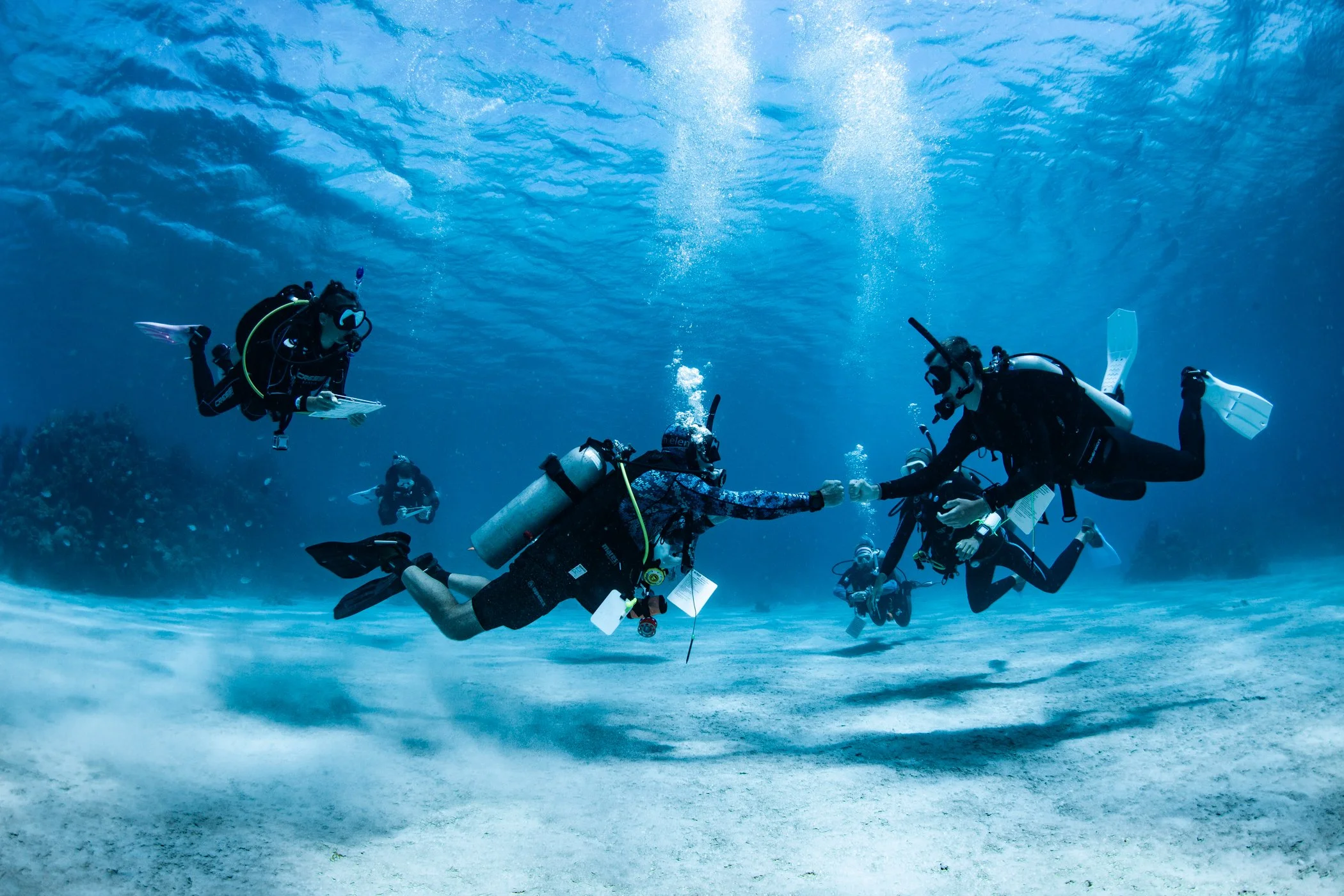
Becoming a PADI Dive Professional is one of the most rewarding journeys you can take in the world of scuba diving. Whether your goal is to build a full-time career as a dive instructor, travel the world, or simply develop your diving skills to a professional level, choosing where to do your PADI IDC is one of the most important decisions you'll make.
For many divers, the journey begins with a life-changing decision: quitting the job, buying a one-way ticket to paradise, and turning a passion for diving into a career. It's an exciting, liberating moment, but it's also the point where one crucial question arises:
Where is the best place to do your PADI IDC?
The location you choose for your PADI Instructor Development Course (IDC) will influence far more than your certification. It can shape the quality of your training, your confidence as a new instructor, your employment opportunities, your living expenses, and ultimately how much you enjoy your new lifestyle as a dive professional.
With so many incredible destinations around the world offering PADI IDC programs, finding the right one can feel overwhelming. Every dive center promises a great experience, but not every program provides the same level of mentorship, facilities, diving conditions, or career support.
At Roatan Divers, we've worked with dive professionals from every corner of the globe. Our team completed their training in a variety of countries and dive destinations, yet they all eventually chose Roatan as the place to build their careers. We asked each of them one simple question:
What should someone look for when deciding where to do their PADI IDC?
Their answers were remarkably consistent.
Based on their experiences, we've created this guide to help you identify the five most important factors to consider before choosing where to complete your PADI IDC. Whether you're dreaming of teaching in the Caribbean, Southeast Asia, or anywhere else in the world, these tips will help you make an informed decision and start your professional diving career with confidence.
Let's dive in 👇
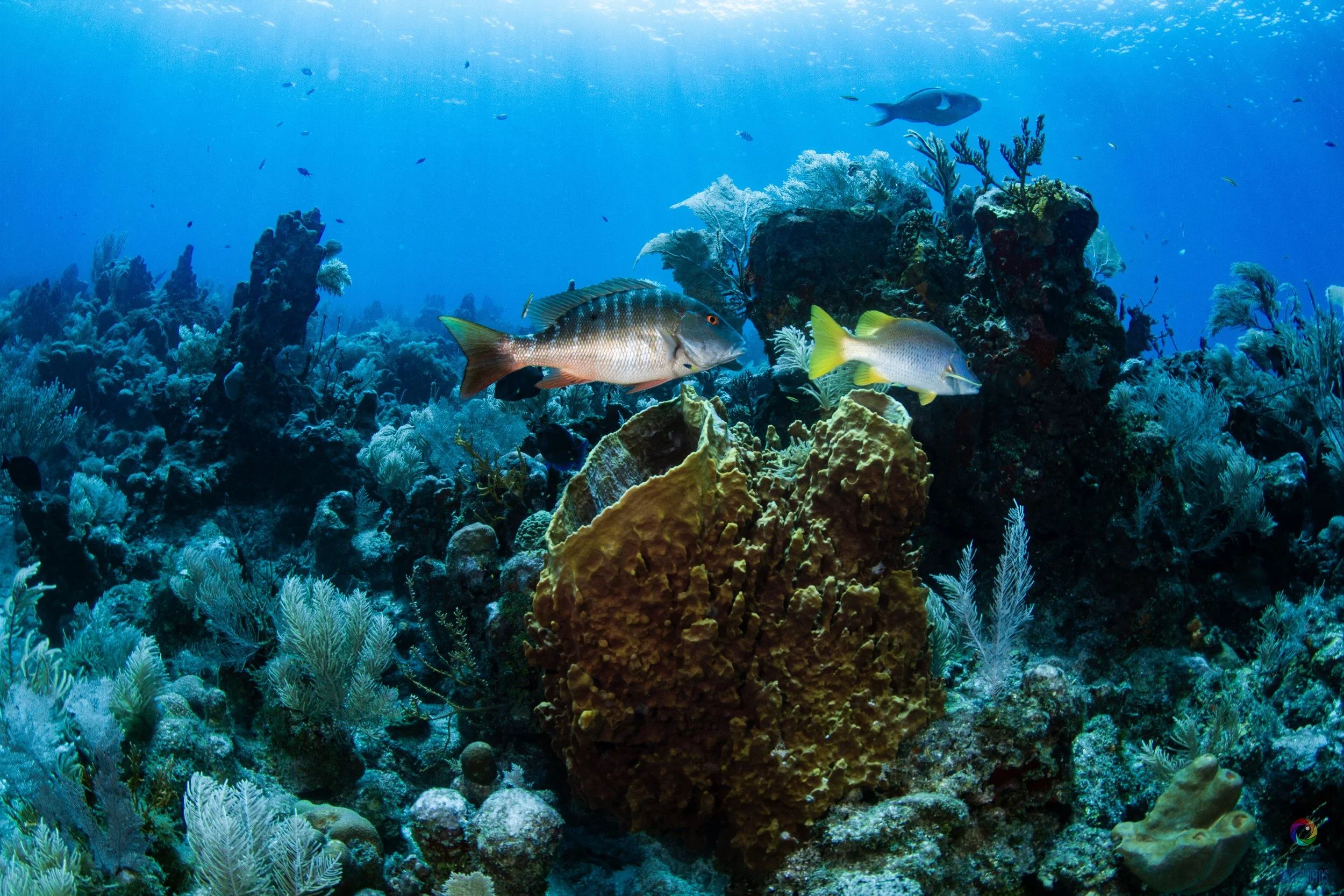
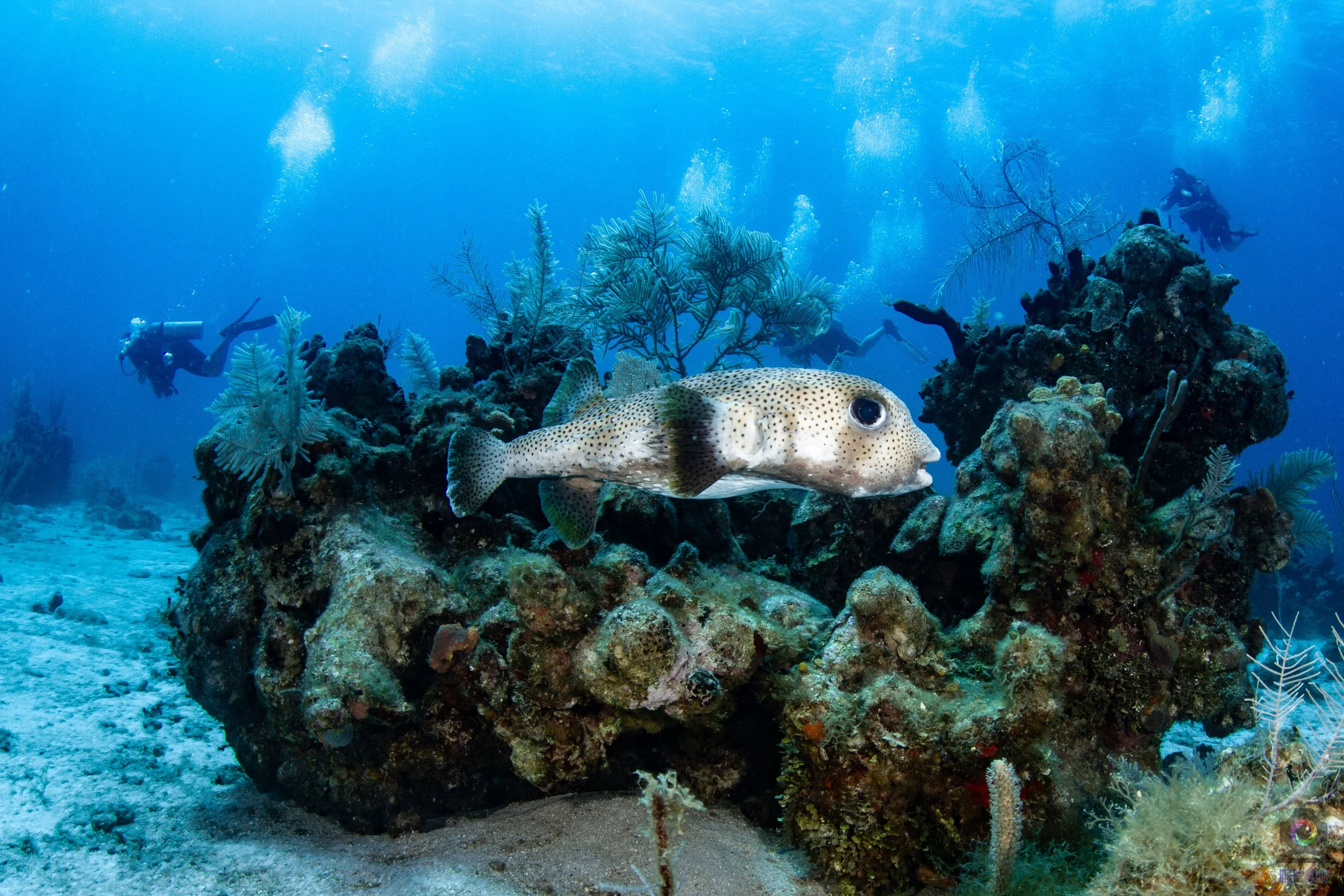
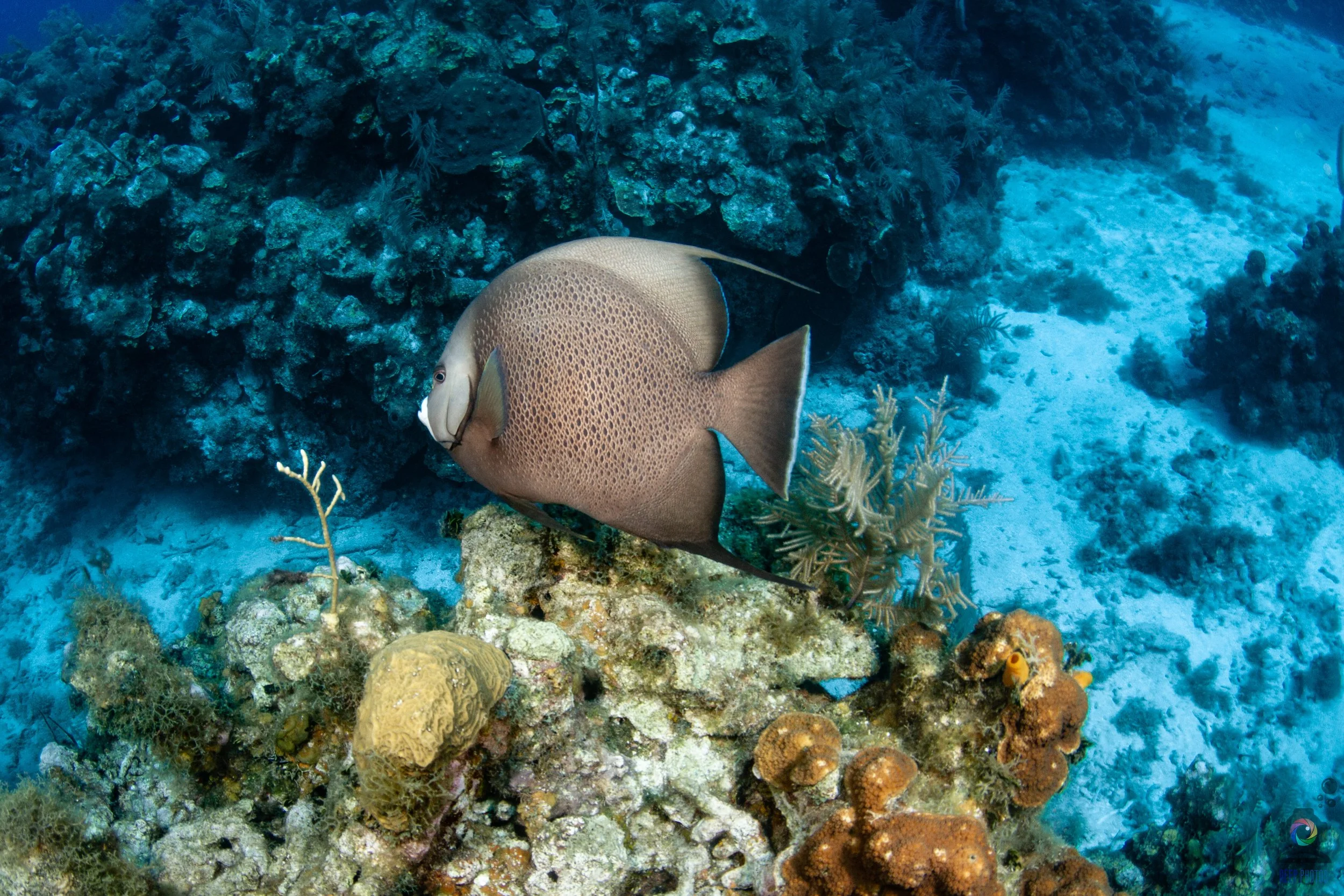
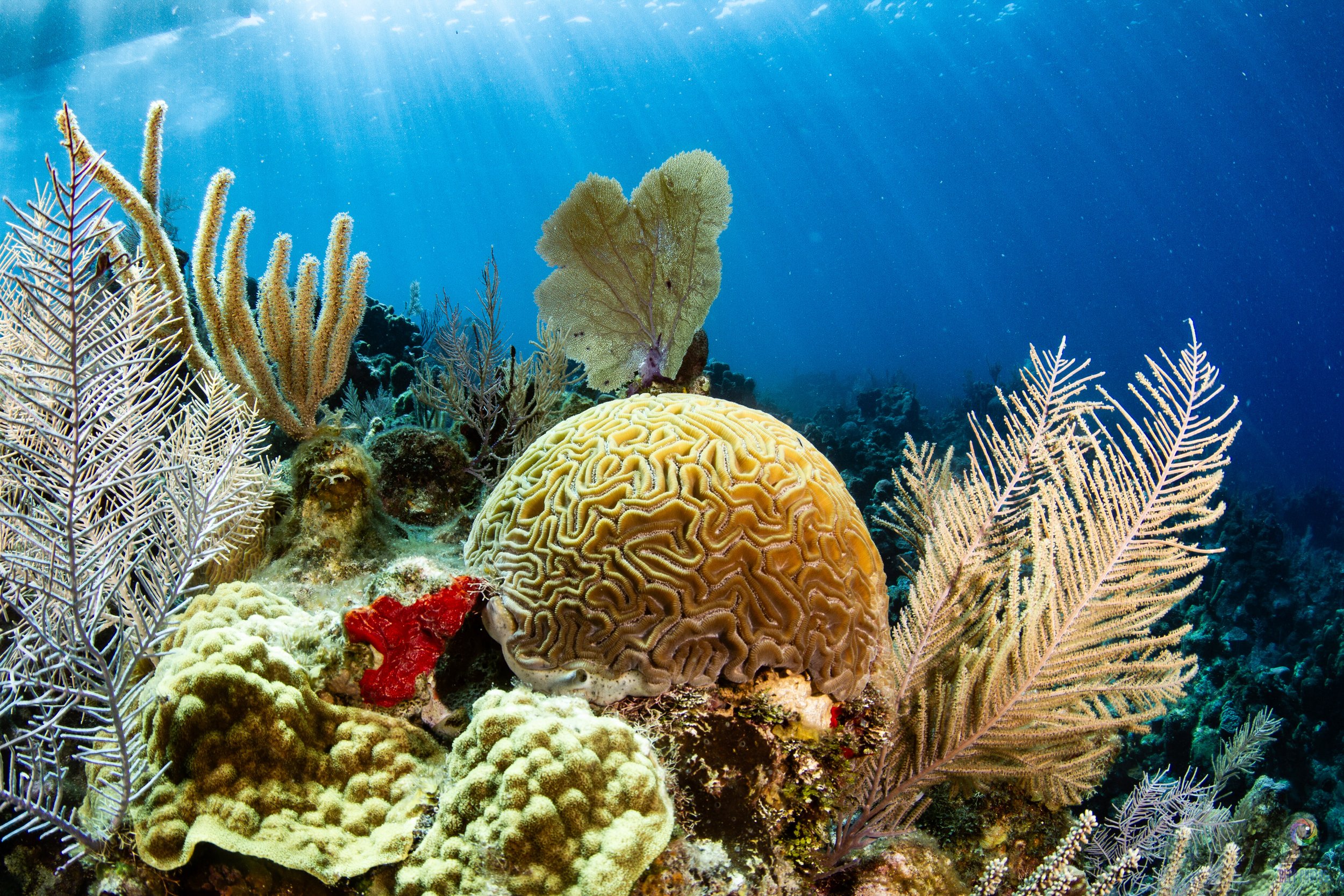
1. What are the diving conditions like
Without a doubt, the diving is the most important factor to consider when deciding where to do your PADI IDC. Traveling to a new destination requires a significant investment, so choosing the right location from the start is essential. Taking the time to research your options will help ensure you enjoy not only your training but also your life as a newly certified dive professional.
When evaluating a dive destination, consider the following:
Is the diving seasonal and if so, how long is the season?
If you choose a destination with seasonal diving, you may not be able to train or work year-round. This can limit your opportunities as a new dive professional and may require you to relocate during the off-season to continue gaining experience and earning an income.
For some people, this is actually an advantage, as it offers the chance to live and work in different parts of the world throughout the year. However, if you're looking for stability and consistent diving, choosing a destination with year-round diving conditions may be the better option.
What is the condition of the environment?
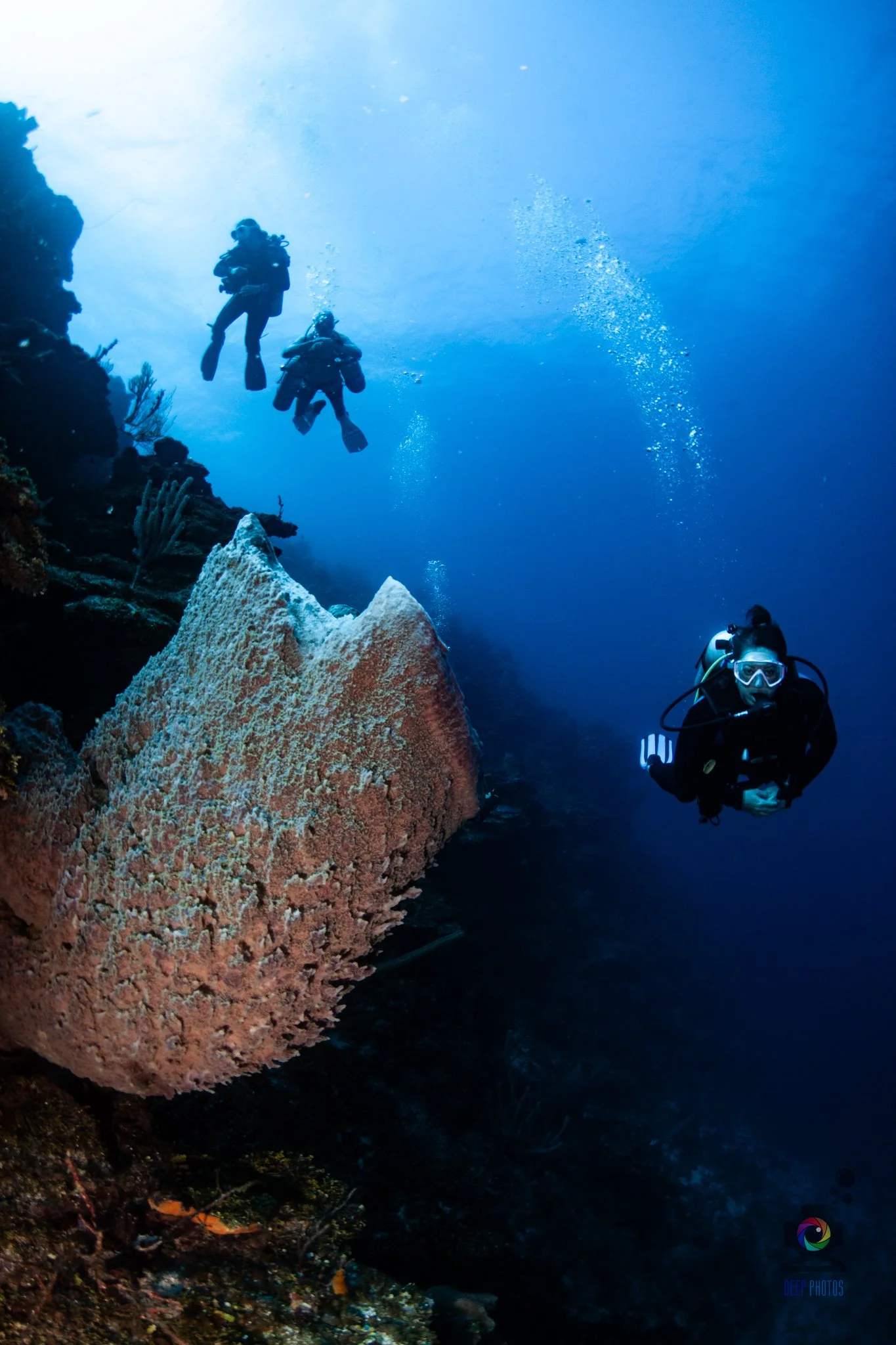
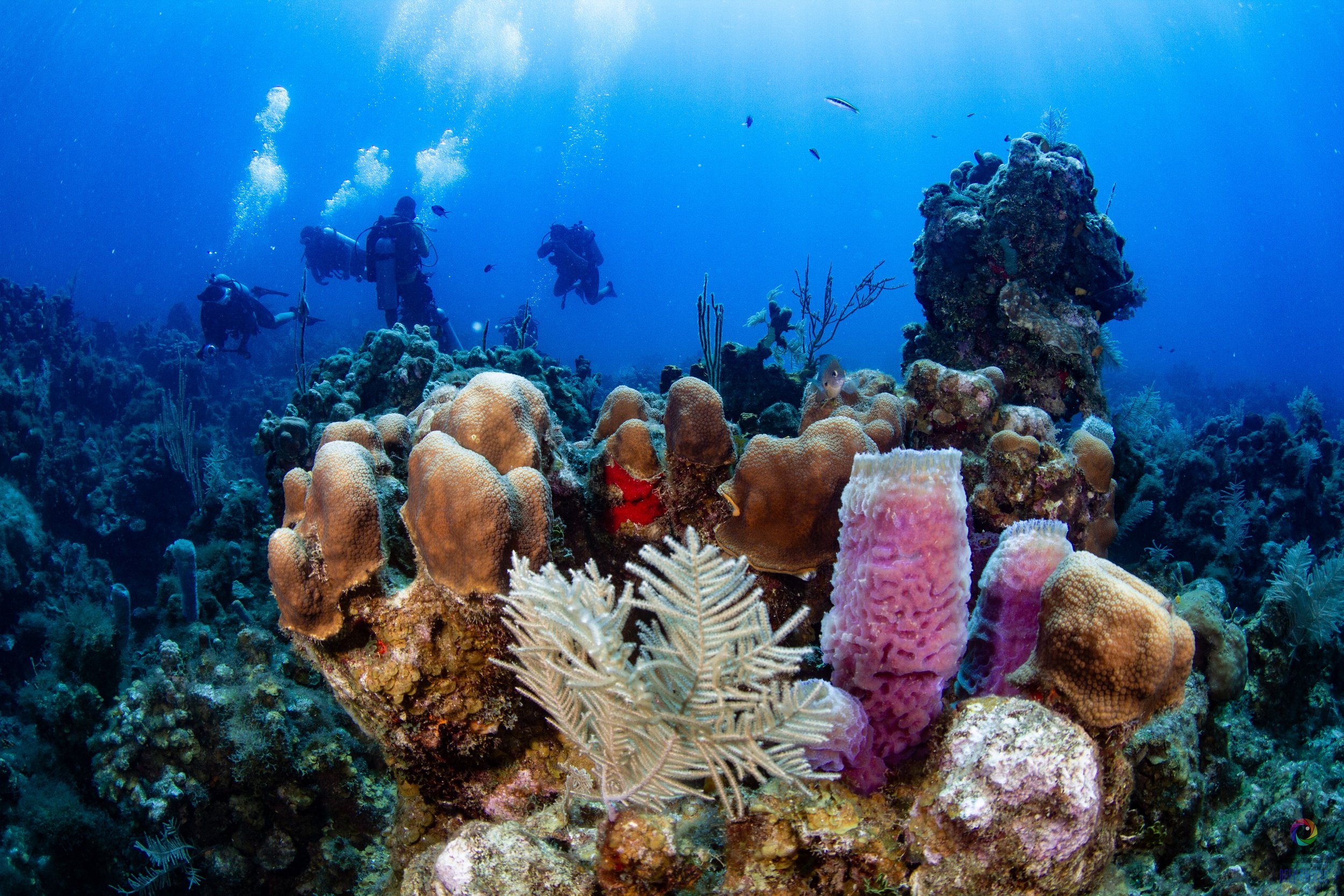
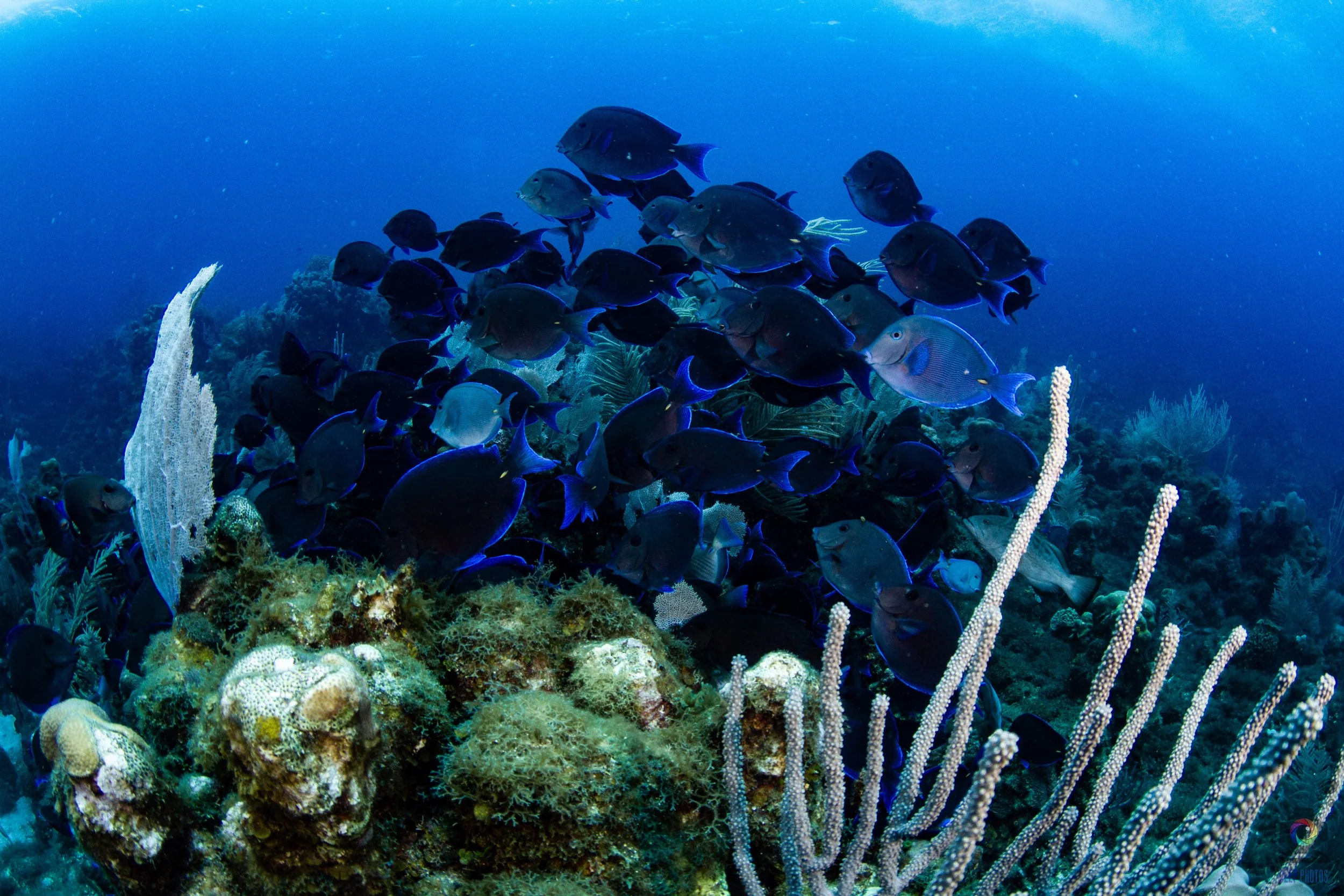
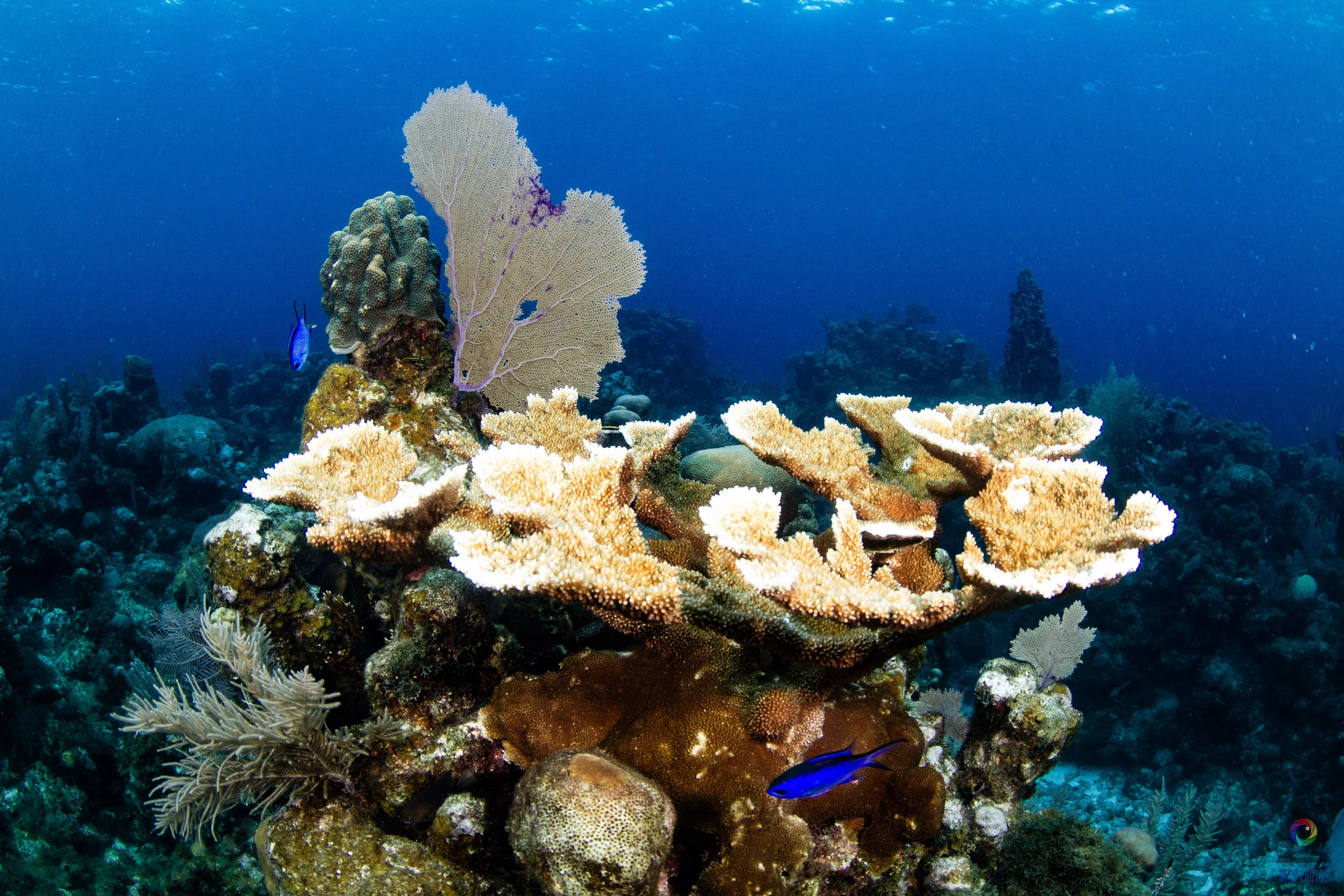
No one dreams of becoming a dive professional on lifeless reefs. Healthy marine ecosystems not only make your training more enjoyable but also help you develop a deeper appreciation for ocean conservation.
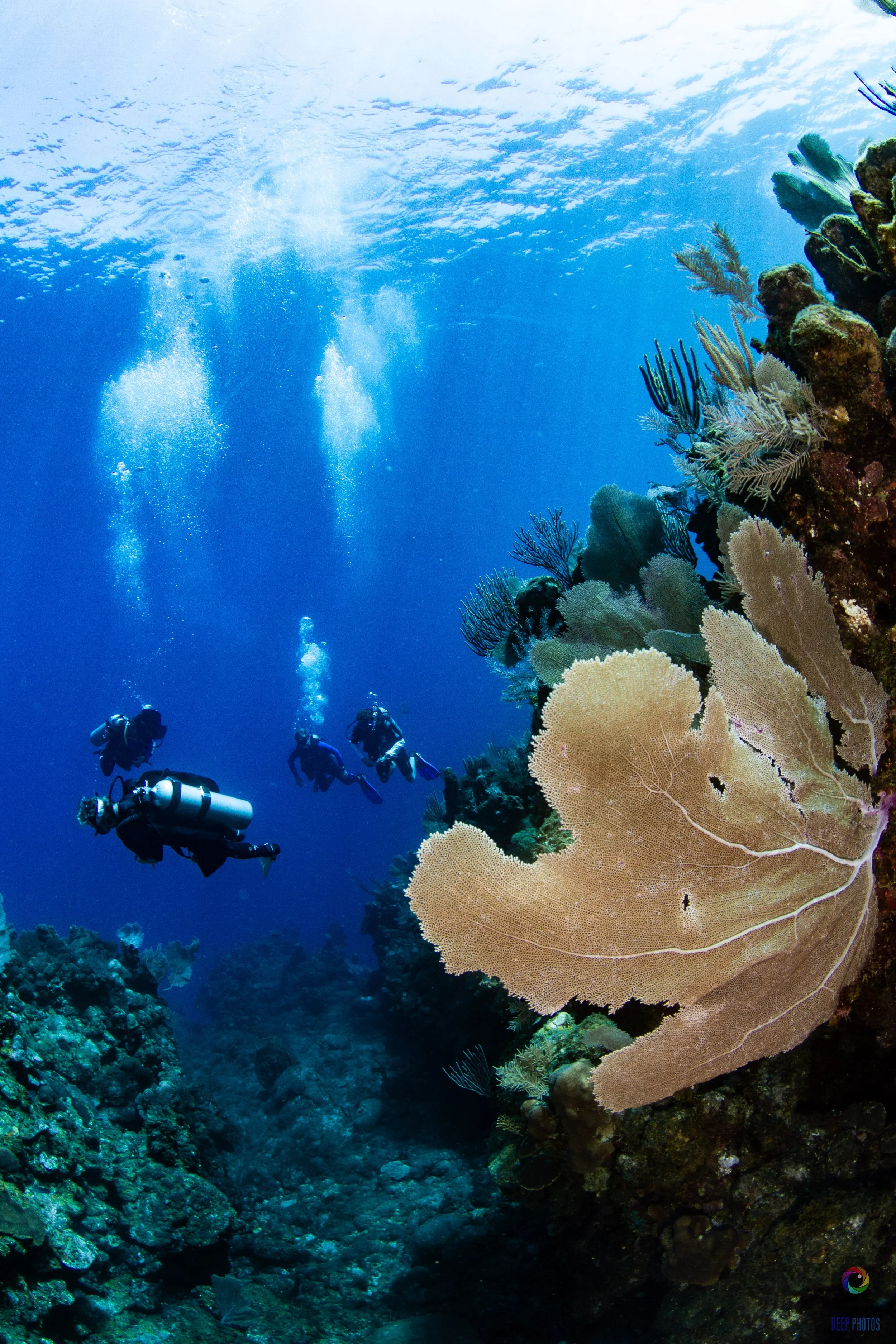
This is one of the reasons our team chose to build their careers in Roatan. Home to the Roatan Marine Park, Roatan is one of the few places in the Caribbean where coral cover is increasing, creating healthier reefs and supporting an incredible diversity of marine life. That means better diving, better training, and a more rewarding experience both in and out of the water.
When deciding where to do your PADI IDC, don't just look at the number of dive sites, look at the health of the reefs. Some of the world's most famous dive destinations are not what they were 10 or 20 years ago. Ask about the condition of their local reefs and what they're doing to protect and restore the marine environment. Choosing a dive center that actively supports conservation is an investment in both your future and the future of our oceans.
What can you see?
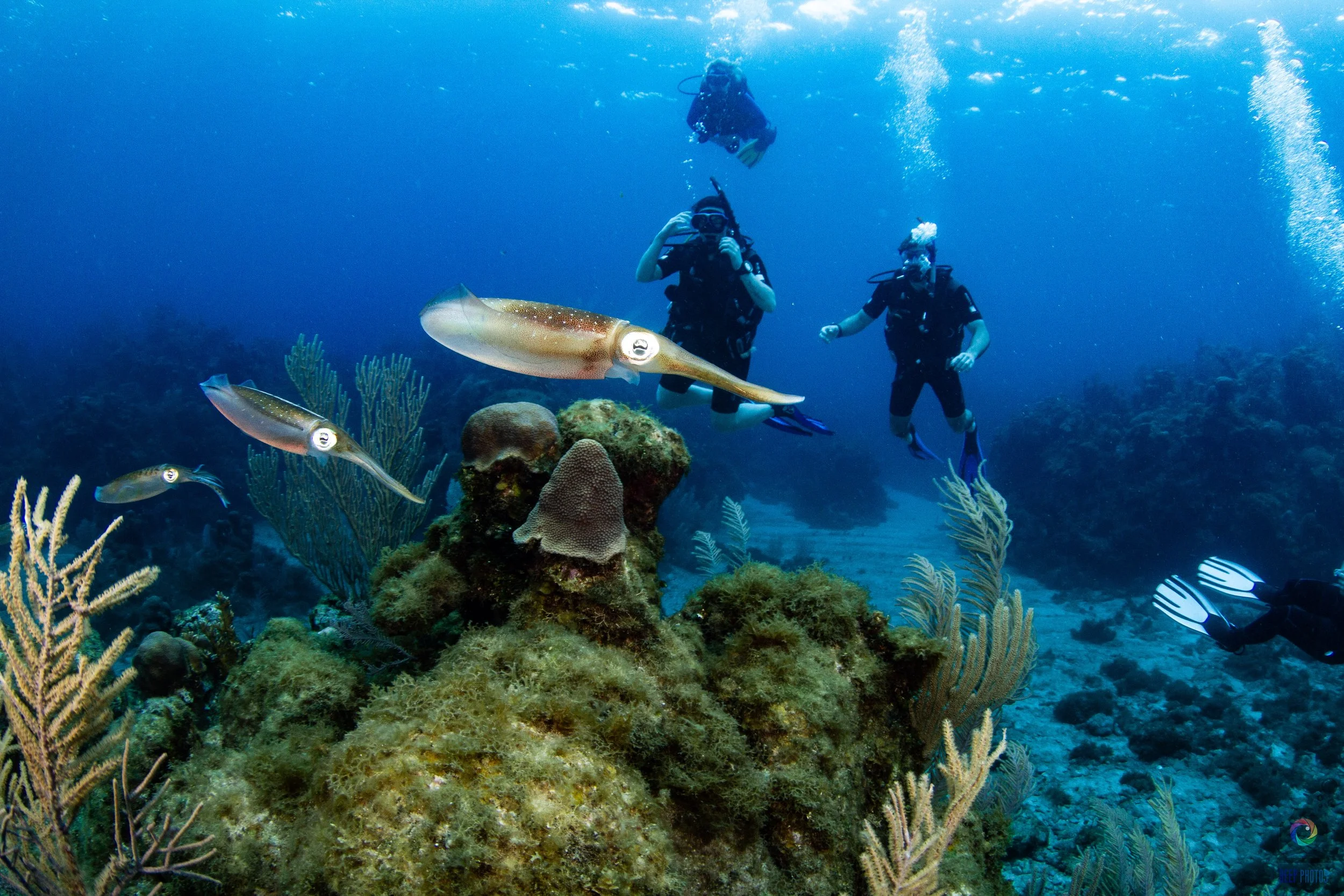
Important for some, less so for others but what you are able to see definitely will make a difference to your professional enjoyment, whether you are learning about reef symbiosis for the first time or you are showing your students a eagle ray swooping by on a dive, the more you can see the more people you are going to have wanting to dive with you. This tends to lead towards a tropical environment on a coral reef as they usually boast the highest biodiversity in a small area, according to BBC’s Blue Planet, spending 10 minutes on a coral reef is the equivalent of spending 3 days in a tropical rain-forest such as the Amazon!
Don’t forget wherever there is water, there is diving and everybody is different, every environment will offer something unique and its really up to you what you want to have a chance of seeing during your training or what you are responsible for showing once your training is complete.
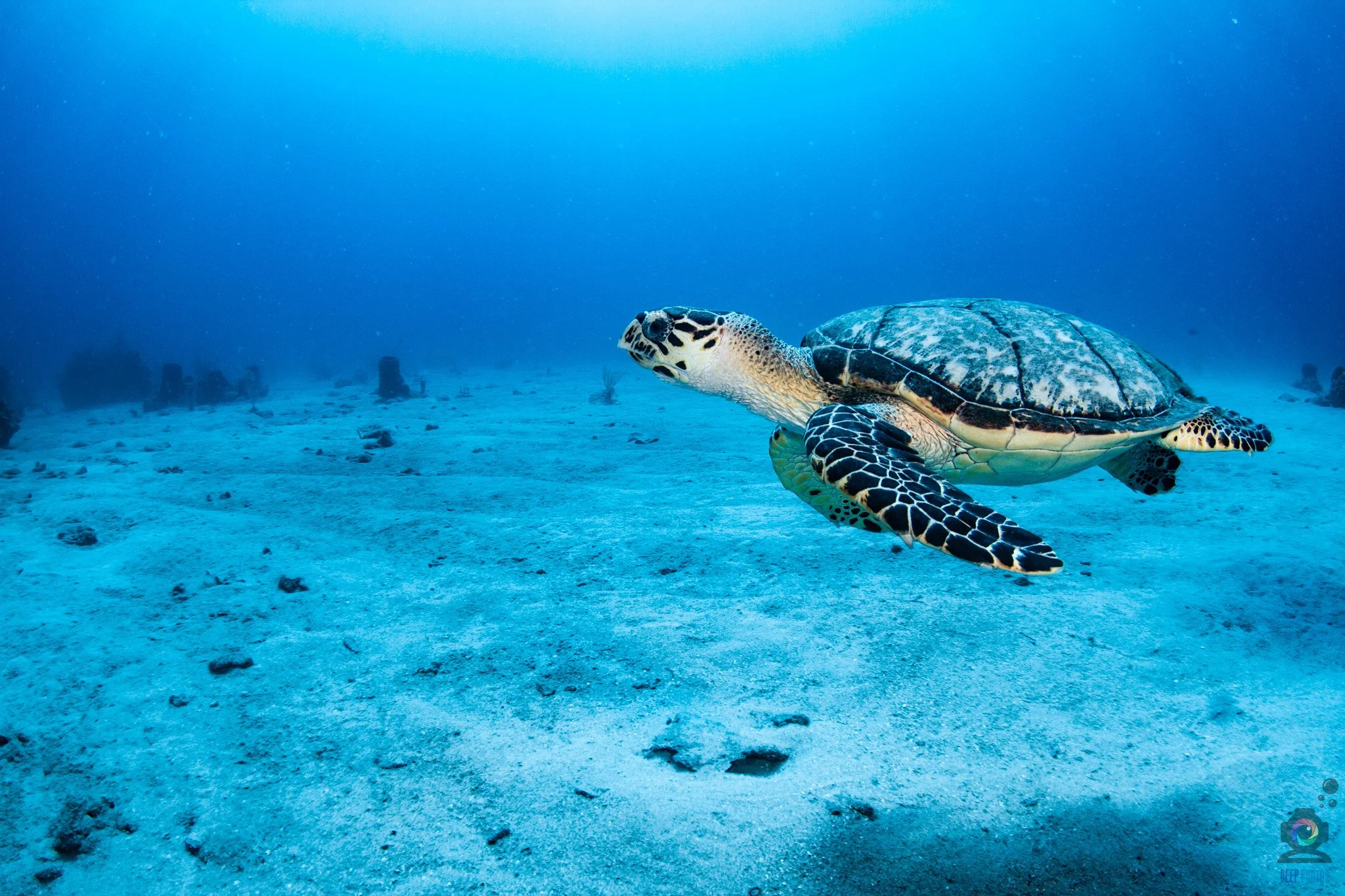
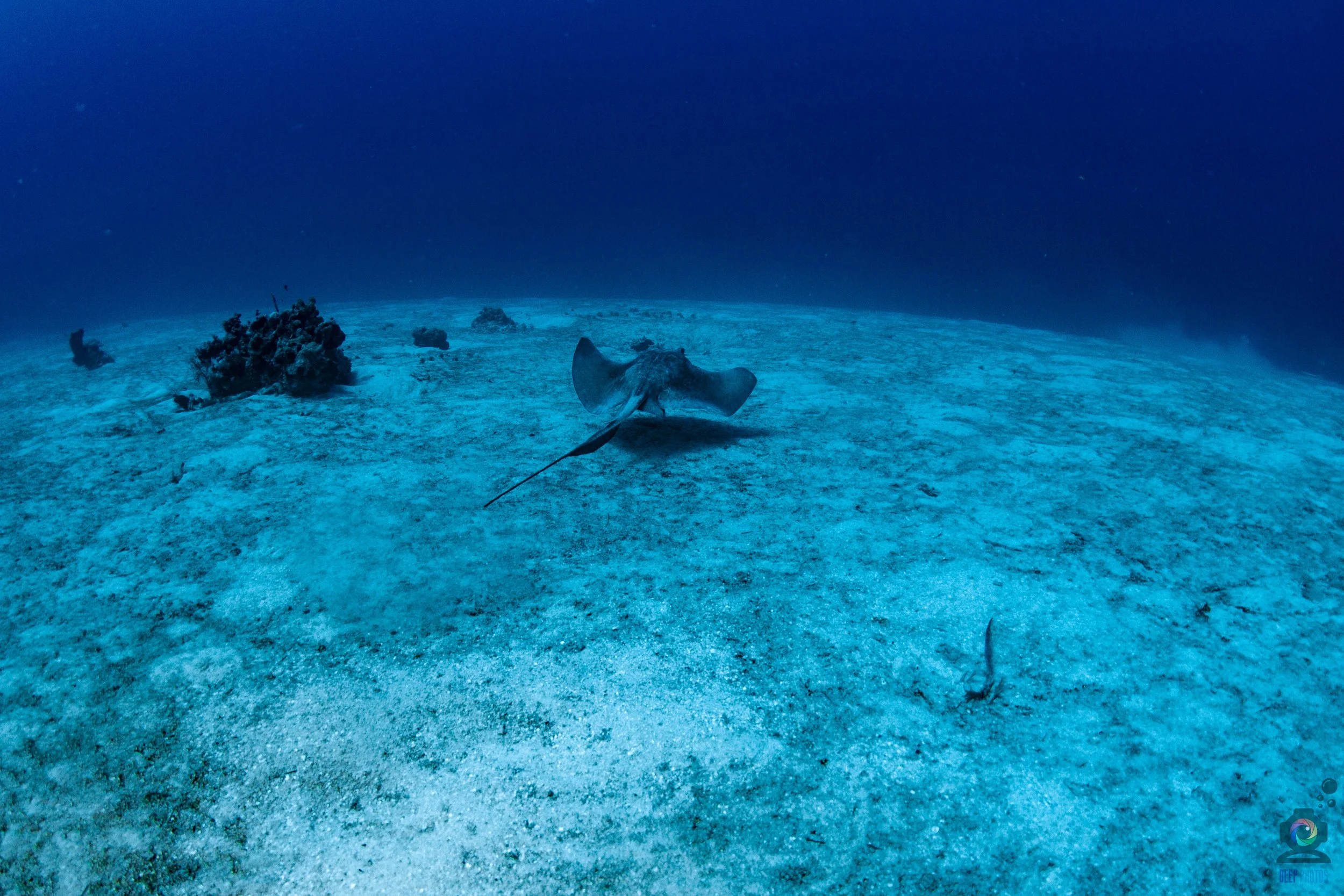
Roatan is famed for its dive conditions year-round boasting 30 meter/100ft visibility 90% of the time. It is an area where 85% of all Caribbean Marine Life can be encountered from multiple endangered turtle species to eagle rays, eels, sharks and much more. What’s more the reef wall is only a 5-minute speed boat ride away allowing for more time on dives and less time travelling to and from sites.
2. How easy is it to get and stay there?
Amazing diving is important, but so is everything that comes with living there. A remote island with world-class dive sites may sound like a dream, but if it's difficult to reach, expensive to travel to, or lacks basic amenities, it may not be the best place to complete your PADI IDC or start your career.
Think about your life outside the water. What will you do on your days off? Is there a community, restaurants, outdoor activities, or opportunities to get involved in conservation? Can your friends and family visit easily? These are all important factors if you plan to stay and work after your training.
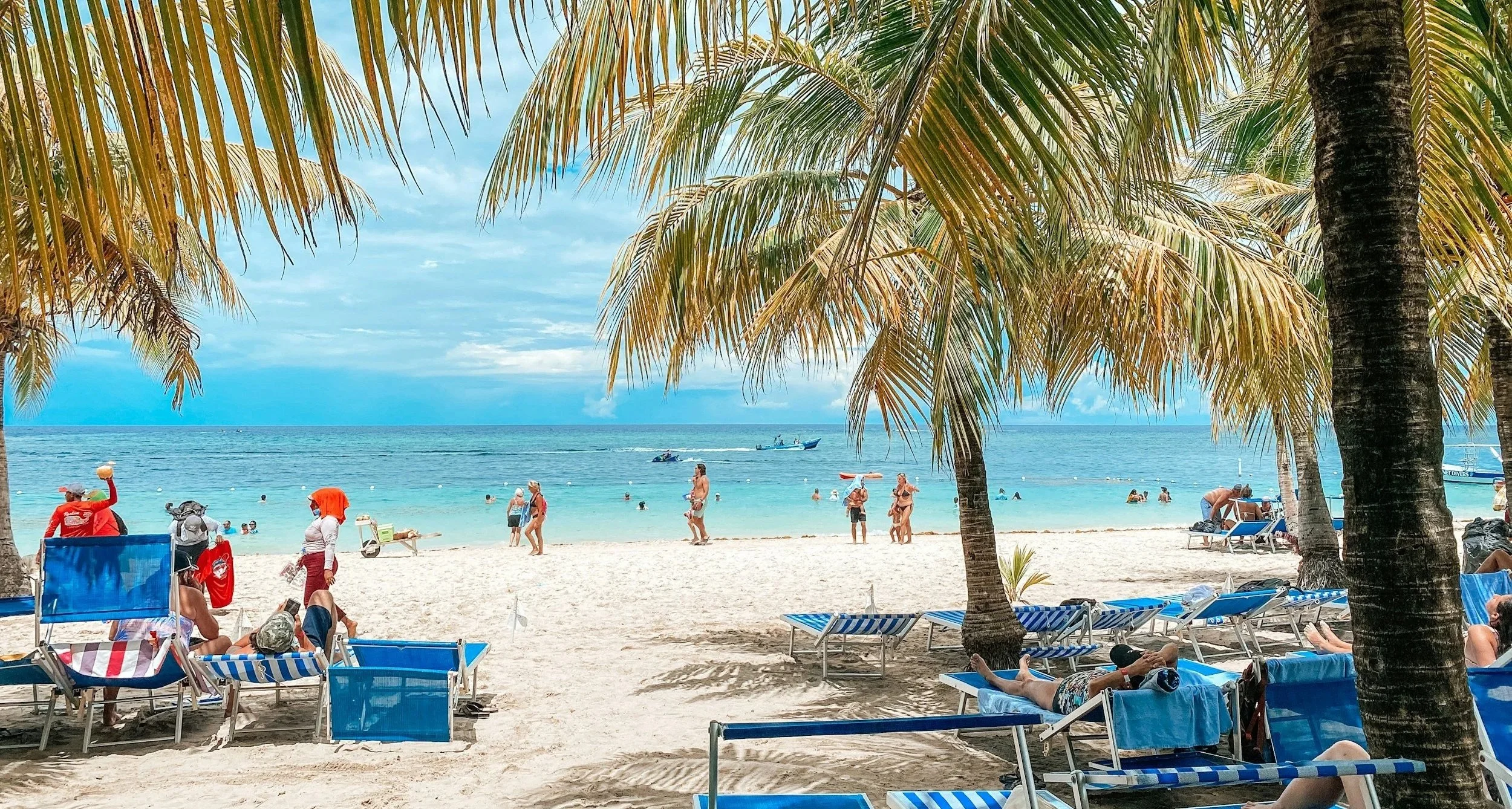
Roatan offers the perfect balance. Beyond its exceptional diving, the island has a vibrant community, great restaurants, beautiful beaches, and plenty of activities, from mangrove tours to volunteering with organizations like the Roatán Marine Park and the SOL Foundation.
Accessibility is equally important. Roatan is served by an international airport with direct flights from several cities in the United States and Canada, along with easy connections from Europe and Latin America. If you're planning to build a long-term career as a dive professional, choosing a destination that's easy to reach, for both you and your loved ones, can make a big difference.
3. How Busy Is the Dive Destination Throughout the Year?
Many divers focus on the quality of the training, but overlook an equally important question: Will there be enough diving to build my experience and find work after I graduate?
This is especially important if you're planning to become a PADI Divemaster. A key part of the course is assisting instructors with real students. If a dive center has limited business, you'll have fewer opportunities to develop the practical skills and confidence needed to become a successful dive professional.
At the same time, bigger isn't always better. High-volume operations may provide plenty of experience, but they can also leave little time to enjoy the lifestyle that inspired you to become a dive professional in the first place. The ideal destination offers a balance between quality training, consistent diving, and a healthy work-life balance.
At Roatan Divers, you'll experience what it takes to run a successful boutique dive operation while gaining hands-on experience with real students and certified divers. These are skills you'll be able to take with you anywhere in the world.
Roatan strikes that balance perfectly. The island has enough year-round diving to support consistent training and employment opportunities, while still offering time to enjoy everything island life has to offer, from beautiful beaches and local Garifuna culture to unforgettable adventures above and below the water.
4. What Is the Cost of Living and Can You Afford to Stay?
Living the dream of becoming a dive professional is exciting, but it's important to think beyond your training. If you plan to stay in the industry, you'll need a destination where your income can comfortably support your lifestyle.
When comparing locations, don't just look at the price of the PADI IDC. Consider the cost of accommodation, food, transportation, and other everyday expenses, as well as the earning potential once you're certified. In general, destinations with a higher cost of living tend to offer higher salaries, while more affordable destinations often have lower wages. The key is finding the right balance.
Our team agreed that Roatan offers exactly that. The island combines a reasonable cost of living with strong employment opportunities and a steady flow of divers throughout the year. With many visitors coming from the United States and Canada, instructors have the opportunity to build lasting relationships with returning guests, earn tips, and establish a loyal customer base.
Affordable accommodation, consistent work opportunities, and a growing dive industry make Roatan an excellent place not only to complete your PADI IDC, but also to build a sustainable career as a dive professional.
Take your diving career to the next level with Roatan Divers Pro Center, our dedicated training center for future dive professionals. '
Designed exclusively for Divemaster and IDC candidates, our brand-new house offers comfort, professional training spaces, and a learning-focused environment in the heart of West End, Roatan.
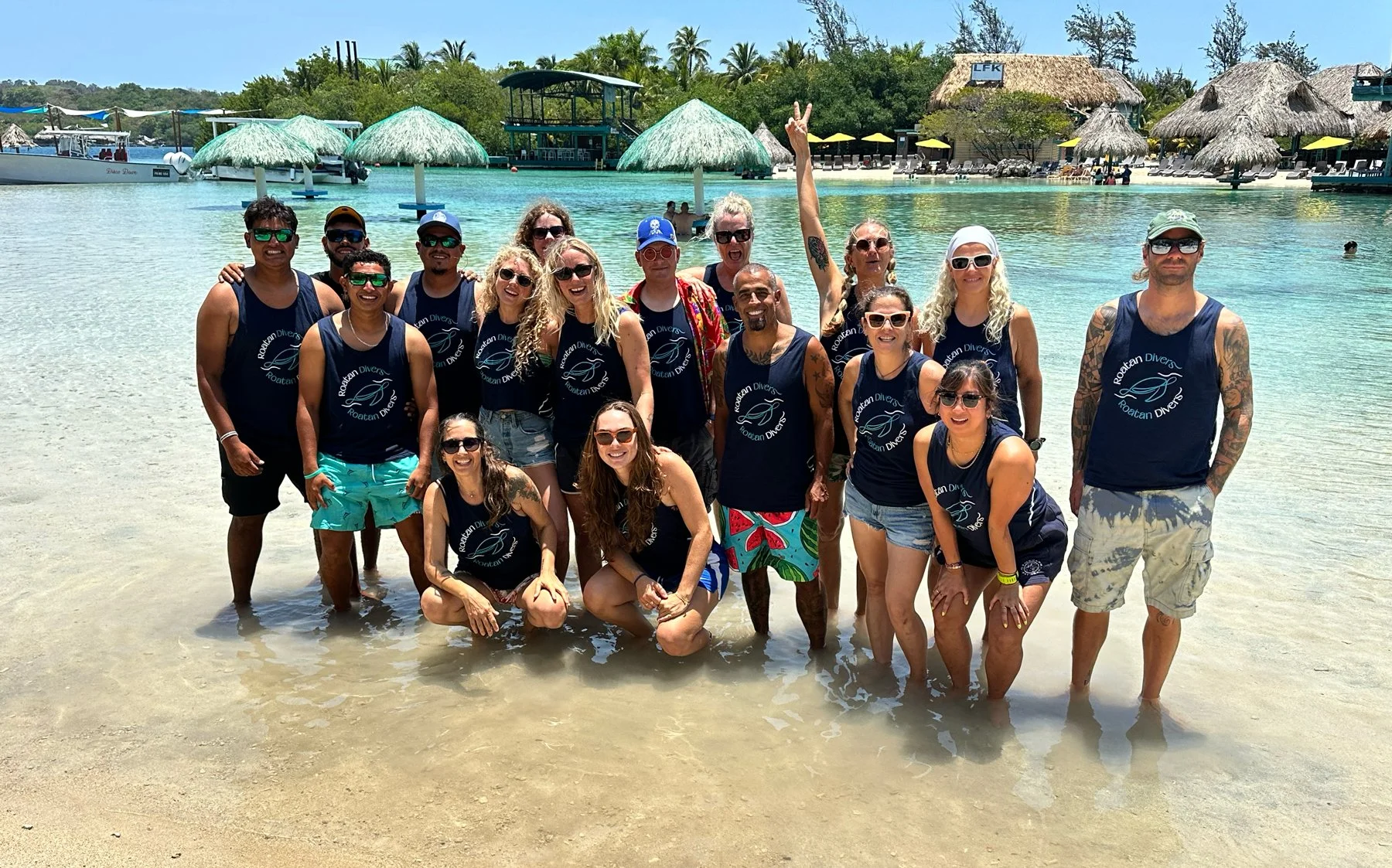
Train, live, and thrive with the award-winning team at Roatan Divers, where passion becomes profession.
5. What Are Your Chances of Finding a Job After Your PADI IDC?
Your PADI IDC is the first step toward becoming a dive instructor, but finding a job depends on much more than earning your certification.
While no dive center can promise you a job, the right one can give you the best possible opportunity to start your career. Choose a dive center that offers strong mentorship, real-world experience, and career support. Ask whether they hire graduates, have connections with other dive centers, or help candidates prepare for the job market.
If possible, complete your PADI IDC where you hope to work. Training with a local dive center allows you to become familiar with the dive sites, marine life, and local procedures while building relationships with the team and the diving community. It also gives the dive center the opportunity to get to know you, which can significantly improve your chances of future employment.
The Reality of Work-for-Training Programs
Finally, be cautious of "free" internships. While they may seem attractive, they often come with long work commitments or conditions that delay your certification. Make sure you fully understand what's included, what's expected of you, and when you'll receive your certification before committing to any program.
Exchanging work for training may sound like a great way to save money, but it's important to understand the trade-offs. In many cases, your priority becomes the work, not your education. This can compromise the quality of your training, slow your progress, and delay your certification.
When you're paying for a professional course, you're a student with clear expectations. In a work-for-training arrangement, it can be much harder to raise concerns or ask for changes if the training doesn't meet your expectations. Before committing, make sure you fully understand the agreement and ensure that your education, not just your labor, is the priority.
Choosing the right PADI IDC means choosing a dive center that prepares you not only to pass the Instructor Examination, but to build a successful career in the diving industry.
Good training isn’t cheap and cheap training isn’t good.
When choosing where to do your PADI IDC, remember that the cheapest option isn't always the best value. If a course seems significantly less expensive than others, take the time to understand why. Lower prices can sometimes mean larger class sizes, less personalized instruction, fewer training opportunities, or hidden costs.
Your IDC is an investment in your future career. Choosing a reputable dive center with experienced instructors and a strong training philosophy will pay off long after you've earned your certification. A well-trained instructor is more confident, more employable, and better prepared to build a successful career in the diving industry.
Do your research, ask questions, compare what's included, and choose the dive center that offers the best overall value, not just the lowest price. The skills, mentorship, and experience you gain during your IDC will stay with you for the rest of your professional diving career.
We hope this information has helped you narrow down that search and taken some of the stress away from planning your Pro Adventure. The world is a big place and us, as scuba divers are the last pioneers on this planet, exploring places where no one has been before in situations that resemble the remote of outer space.
If you would like more advice or information on becoming a PADI Professional then email us at info@roatandivers.com.
Fernanda Paiva
PADI Course Director
