
15 Creatures Divers Love to Spot in Roatan
Discover 15 iconic marine species divers love spotting in Roatan. From eagle rays to octopus, explore Caribbean Reef Life on every dive.
Roatan is located on the Mesoamerican Barrier Reef, the second-largest reef system in the world, making it one of the best destinations for scuba diving in the Caribbean. Thanks to warm waters, healthy reefs, and diverse habitats, divers regularly encounter an incredible variety of marine species.
With over 100 dive sites officially registered by the Roatan Marine Park, figuring out what meets your fancy can be a major undertaking!
Here are 15 marine creatures divers love to spot while diving in Roatán, from iconic reef fish to fascinating macro life.
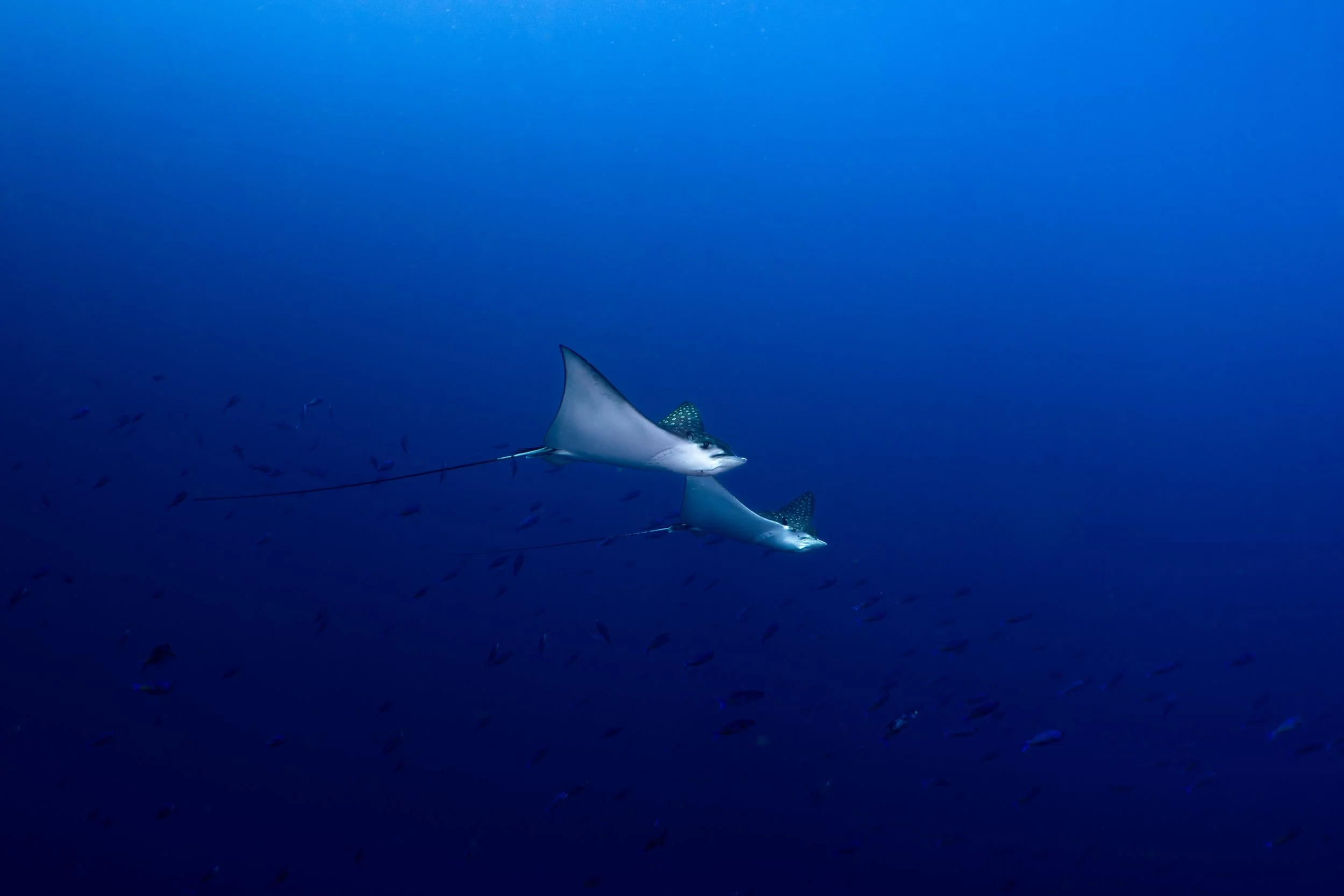
1. Eagle Ray
Eagle rays are one of the most iconic sightings while diving in Roatan. Their large wingspan and graceful movement make them unforgettable, especially along walls and deeper reefs.
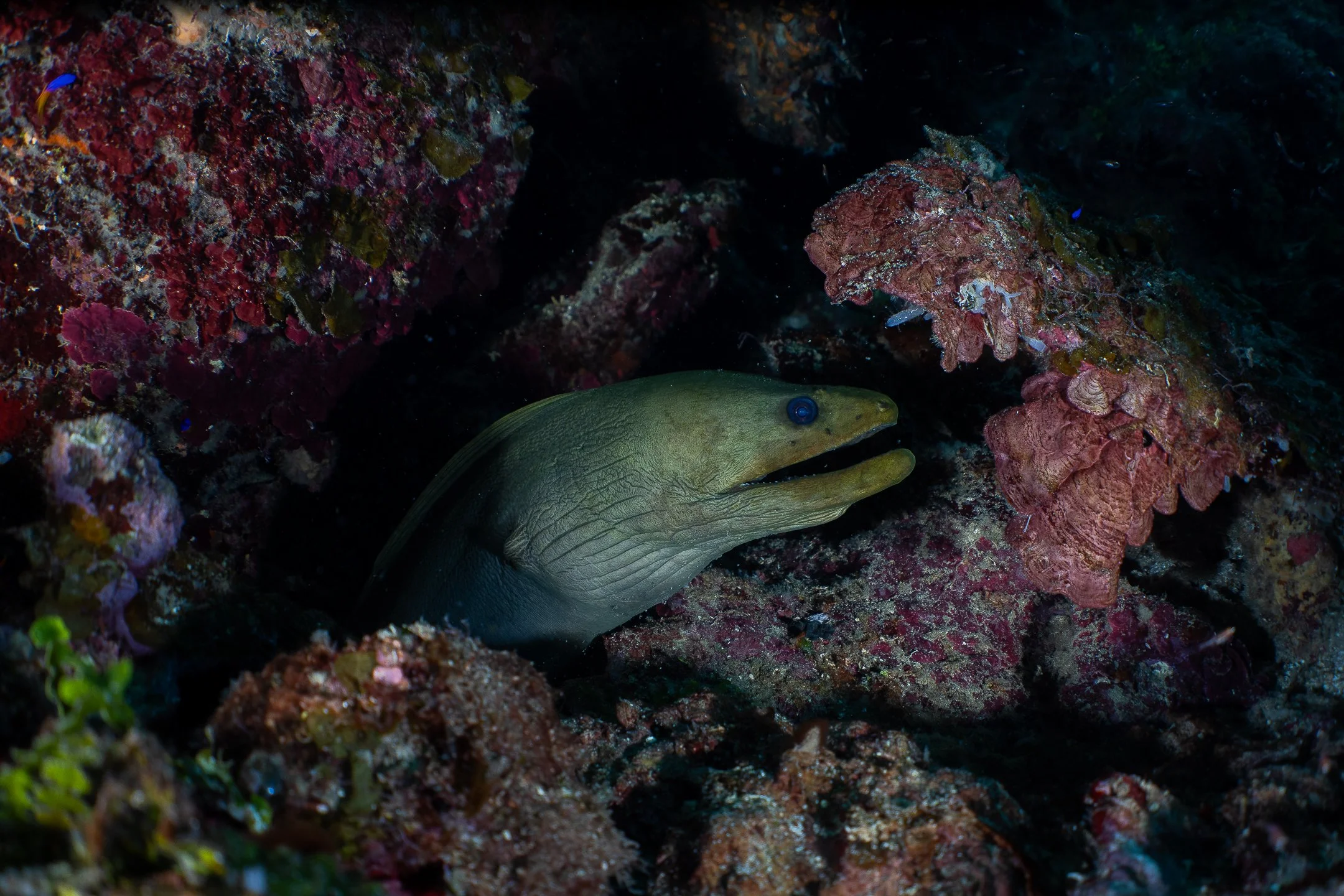
2. Green Moray Eel
Common throughout the Caribbean, green moray eels are frequently seen resting in reef crevices. Their open mouth is part of their breathing process, not aggression.
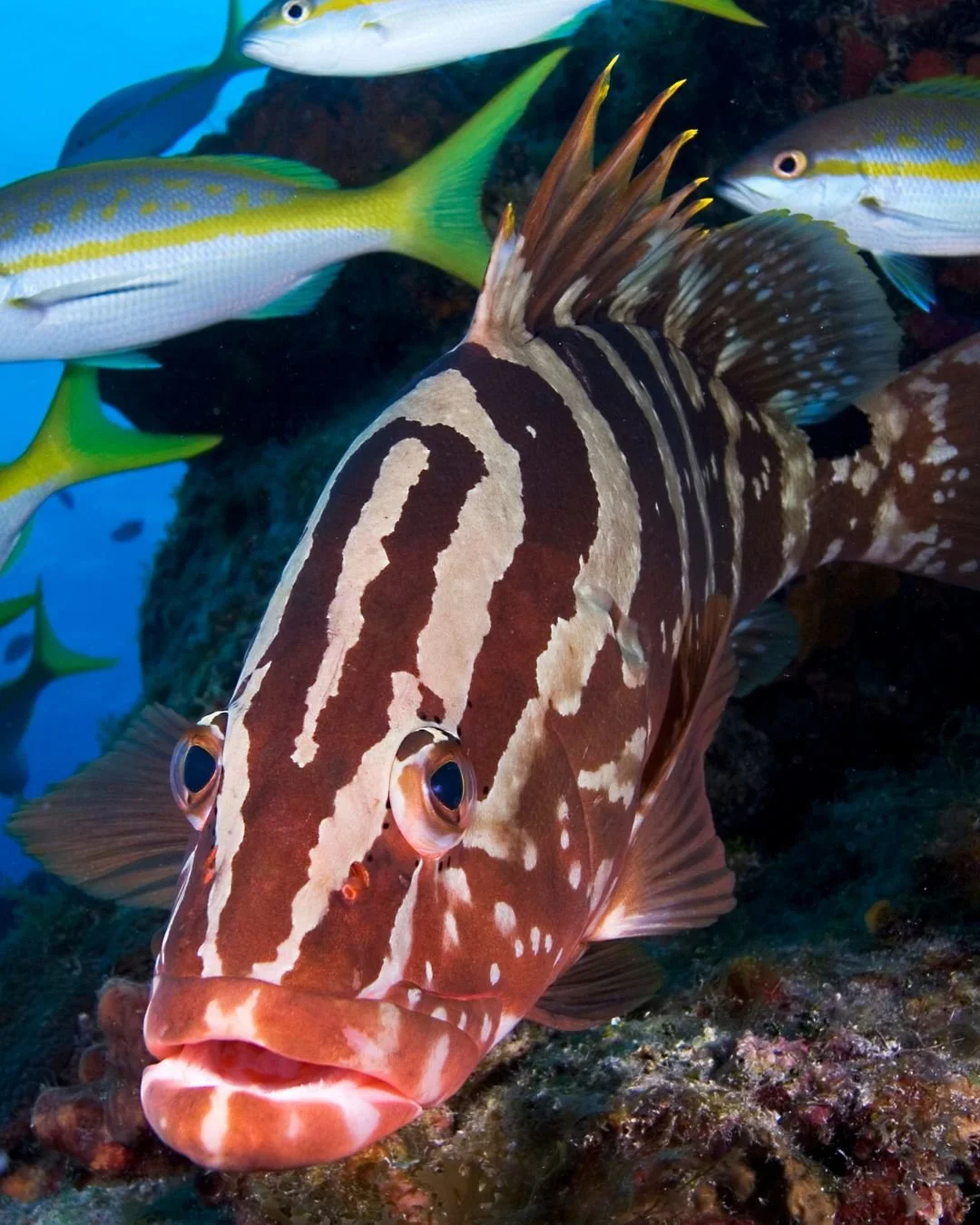
3. Nassau Grouper
A symbol of Caribbean reef conservation. Spotting a Nassau grouper in Roatan highlights the success of marine protection efforts.
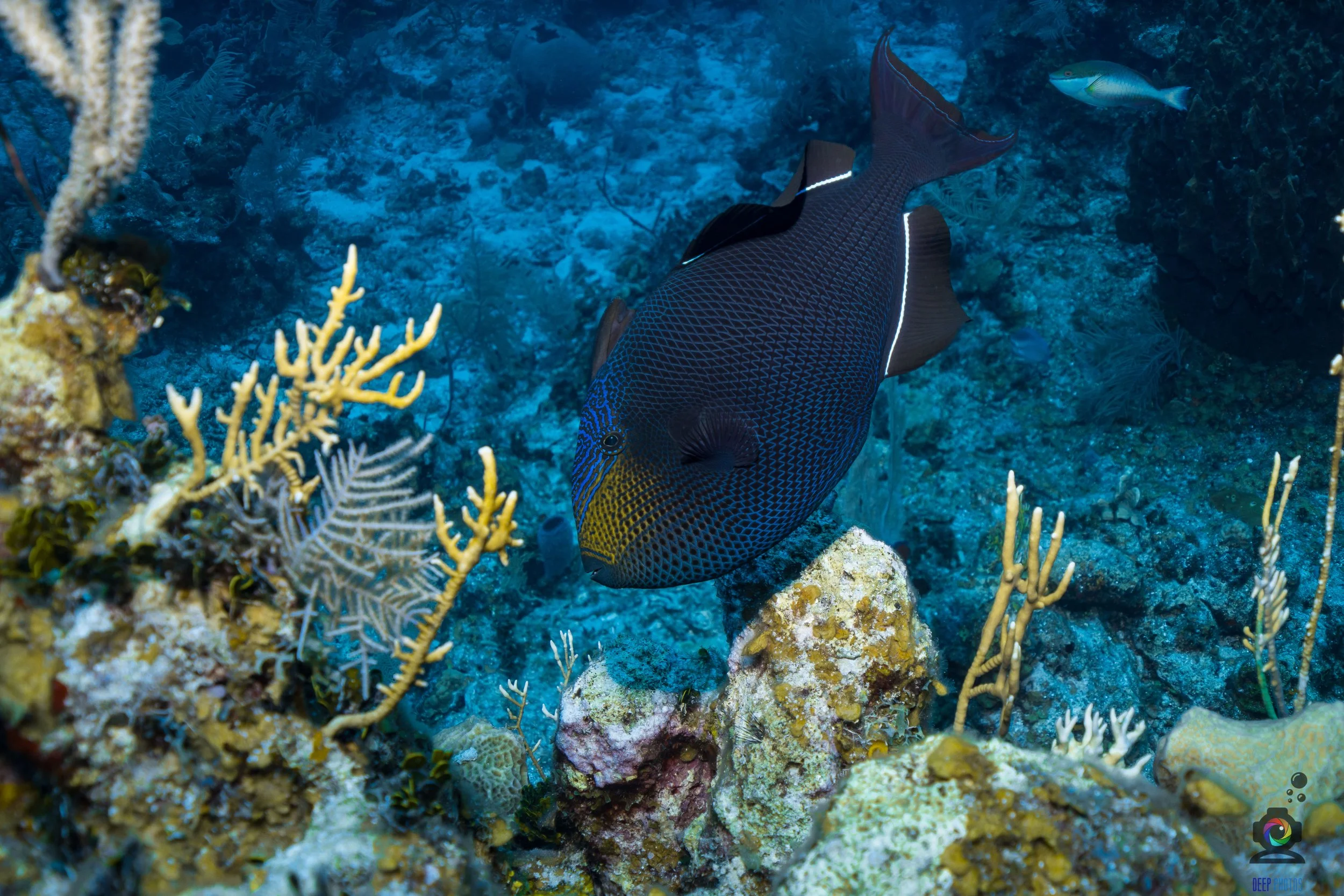
4. Black Triggerfish
Triggerfish are colorful, curious, and often territorial. They are commonly found hovering above coral heads and sandy areas.
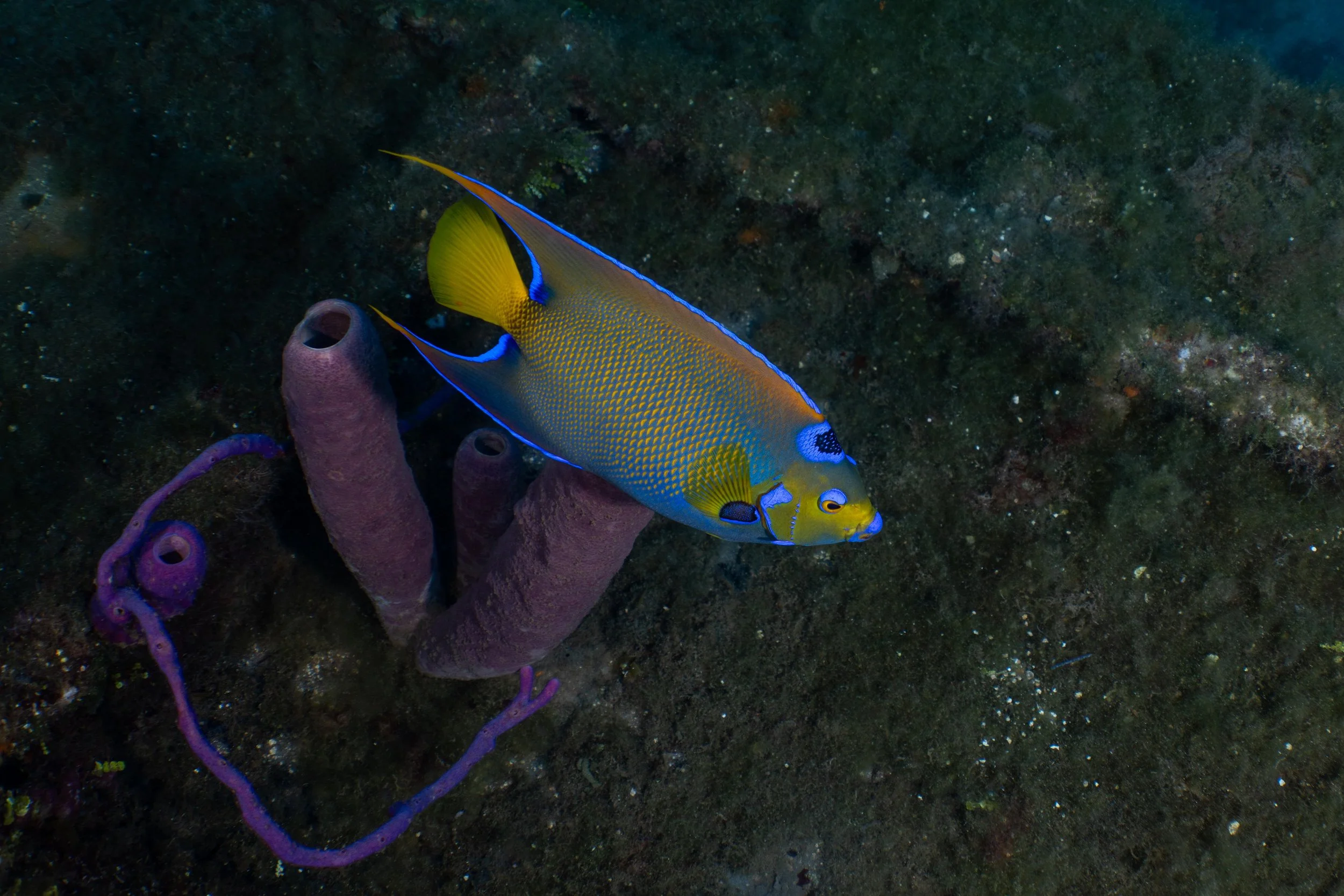
5. Queen Angelfish
One of the most recognizable Caribbean reef fish. Their vibrant colors make them a favorite for underwater photographers.
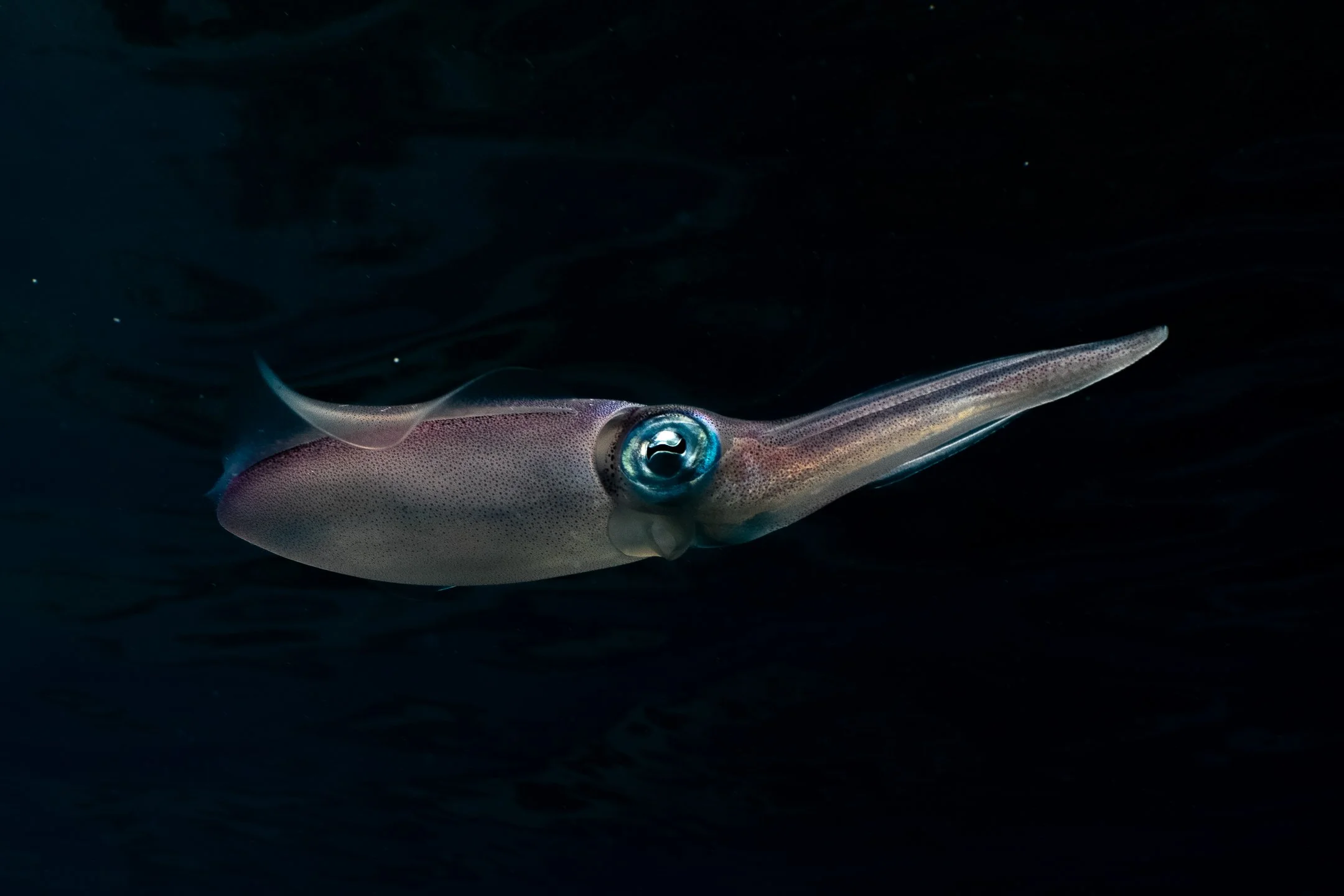
6. Caribbean Reef Squid
Highly intelligent and constantly changing color, reef squid are often seen swimming in small groups over reefs.
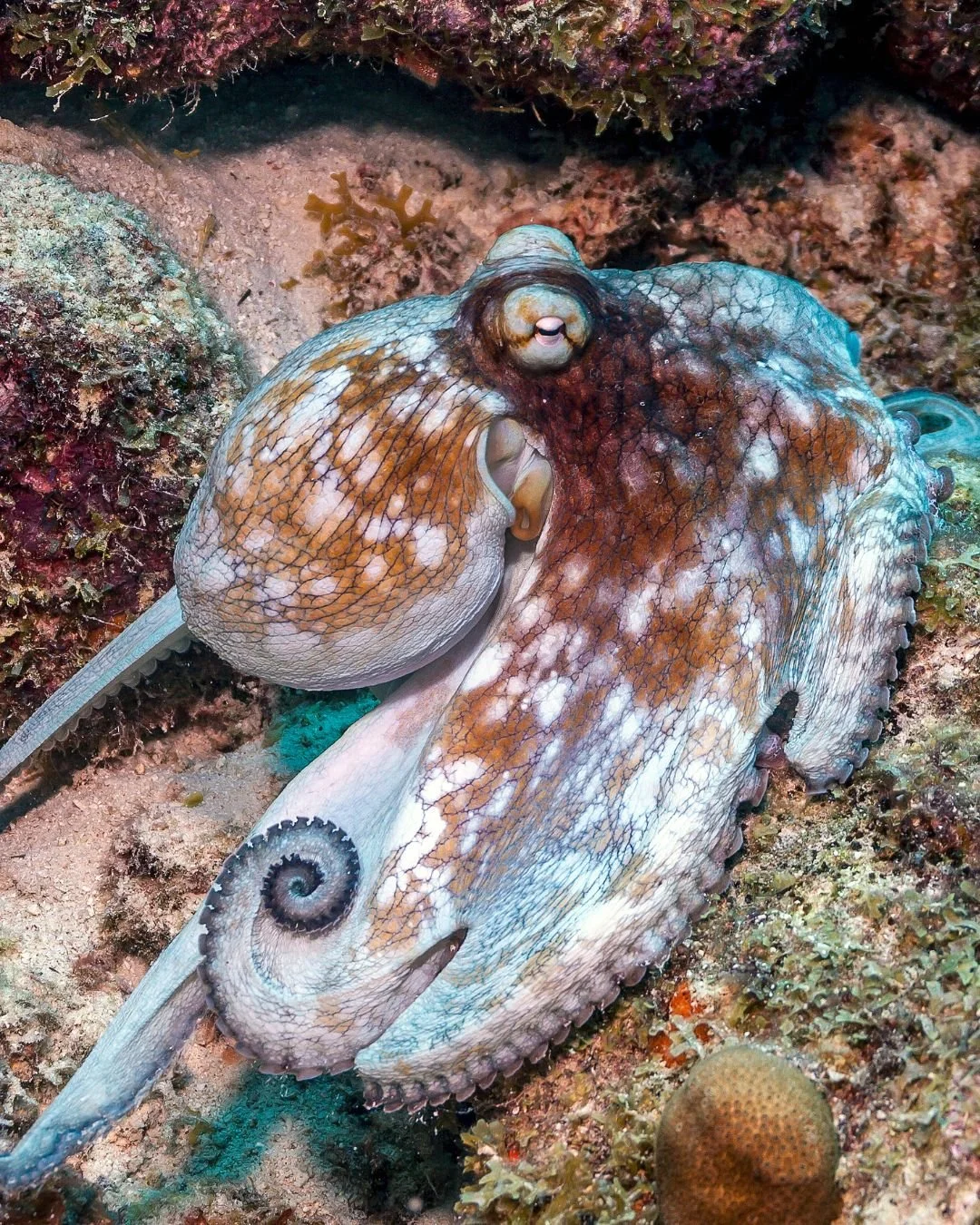
7. Caribbean Octopus
Masters of camouflage, octopuses are usually spotted during night dives in Roatan, blending perfectly with their surroundings.
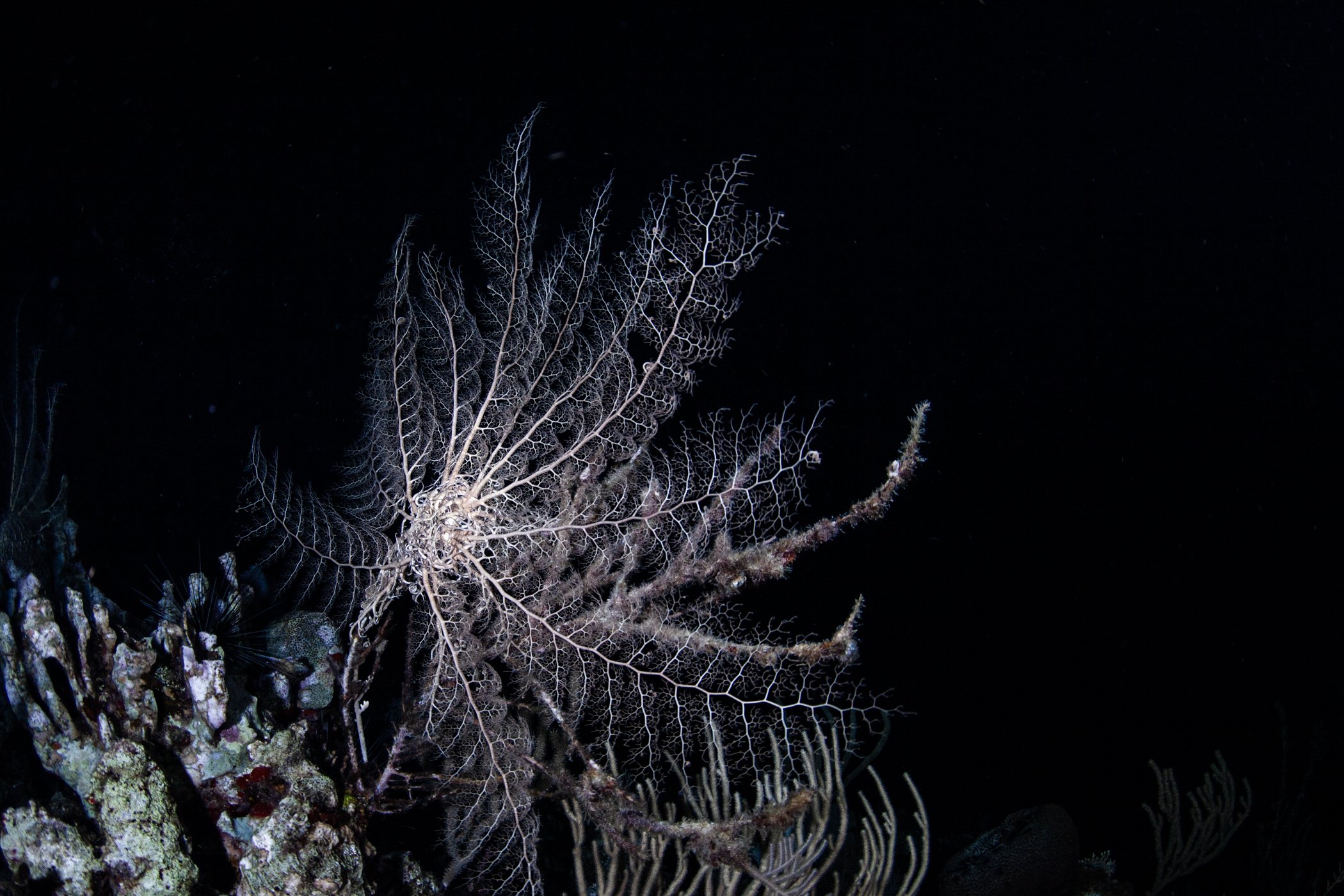
8. Giant Basket Star
This nocturnal species hides during the day and unfurls its arms at night to feed, making it a highlight of night diving.
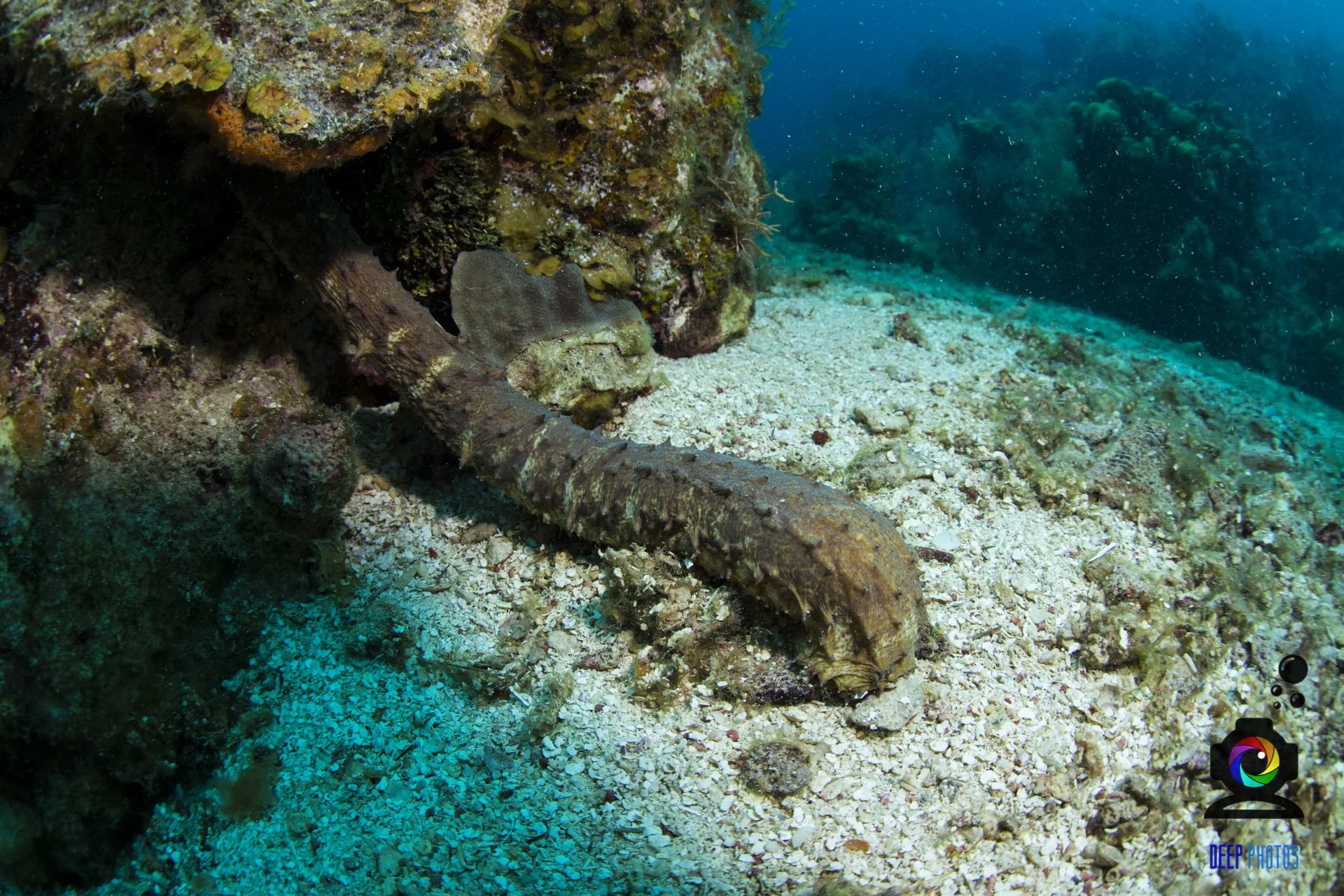
9. Tiger Tail Sea Cucumber
Sea cucumbers play an essential role in reef ecosystems by recycling nutrients and keeping sediments healthy.
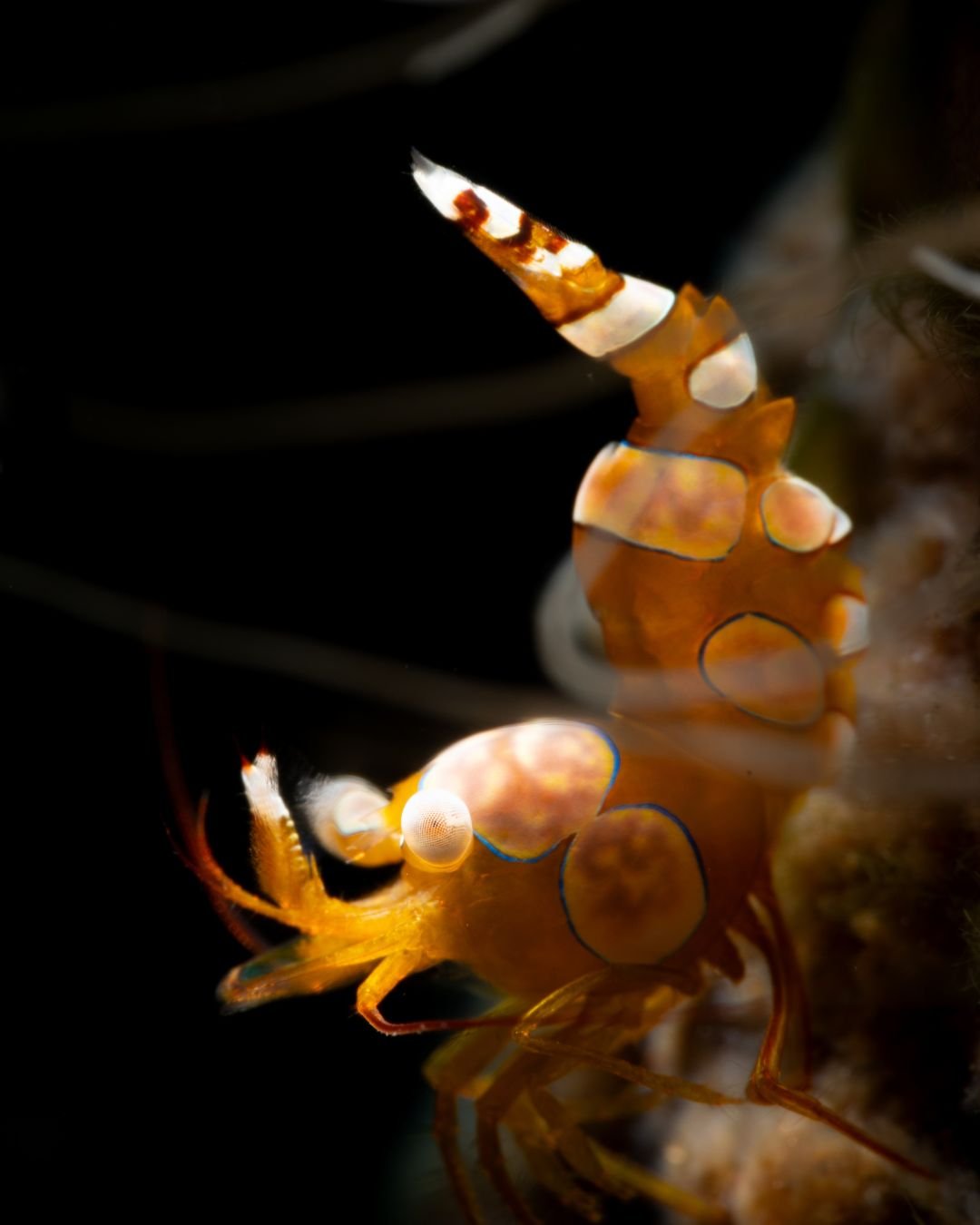
10. Squat Anemone Shrimp
A tiny macro species often found among anemones and corals. Perfect for divers who enjoy slow, detailed exploration.
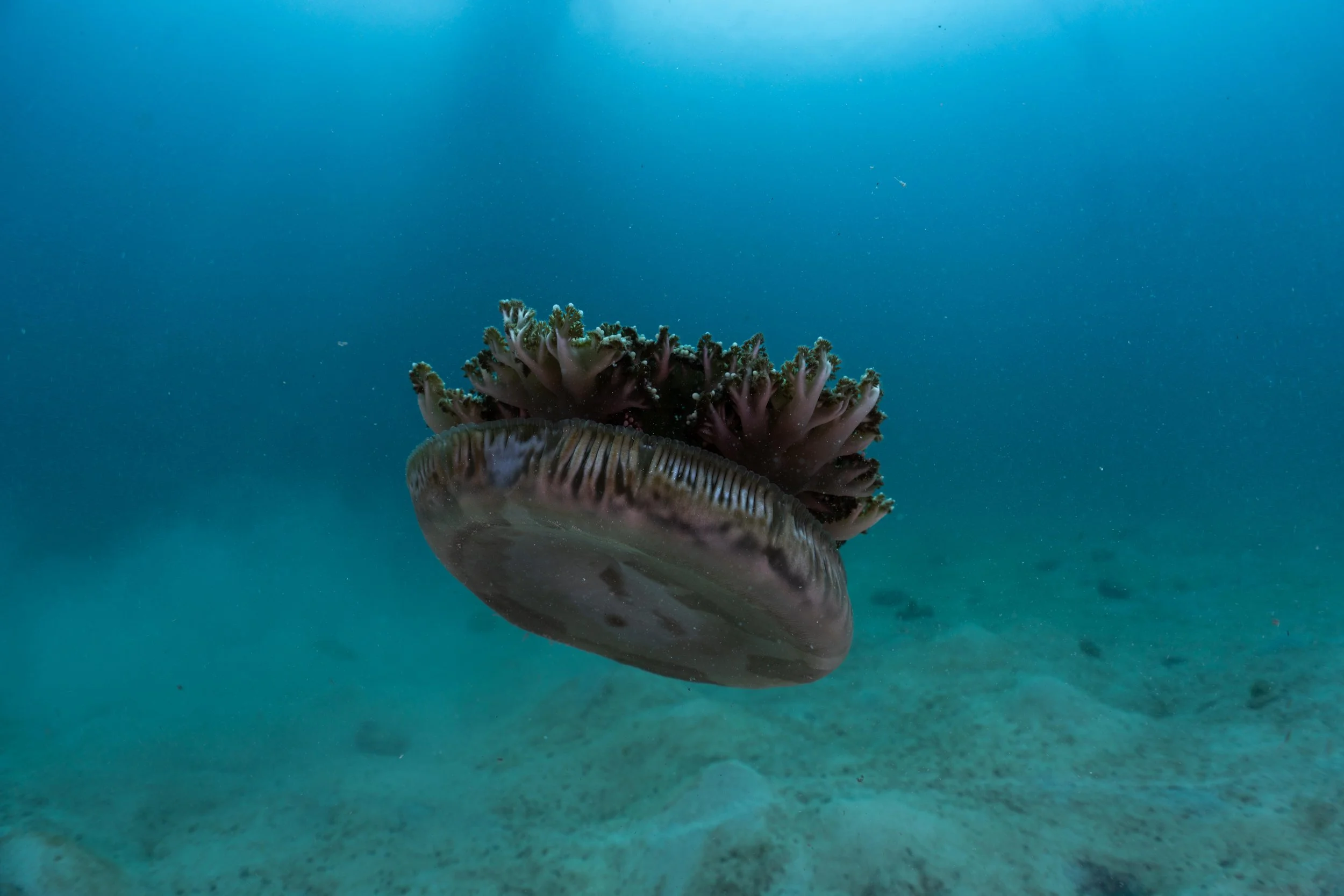
11. Upside-Down Jellyfish
These jellyfish rest on sandy bottoms with tentacles facing upward. Harmless when observed respectfully.
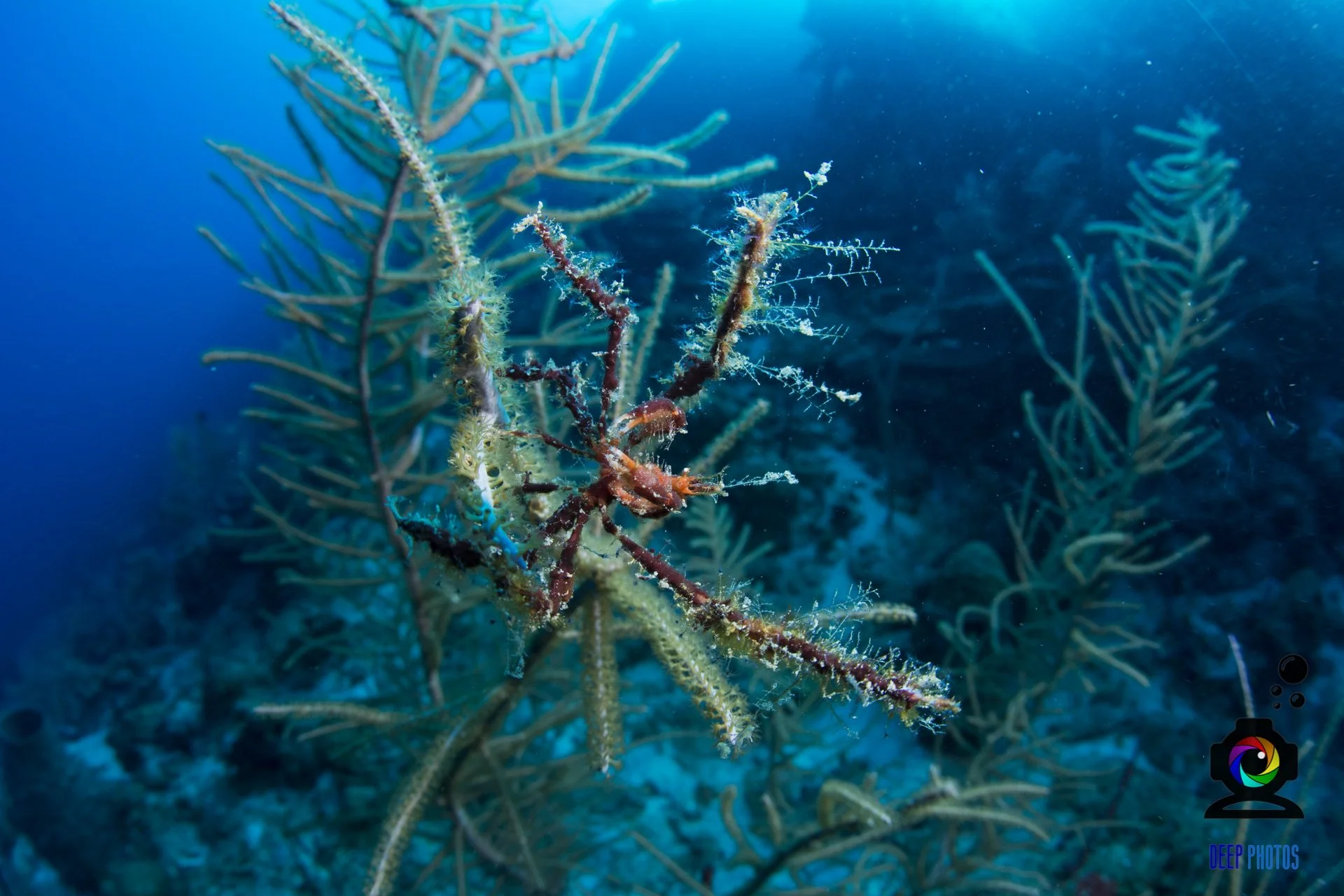
12. Neck Crabs
Small and cryptic, these crabs are usually found tucked into reef crevices and coral structures.
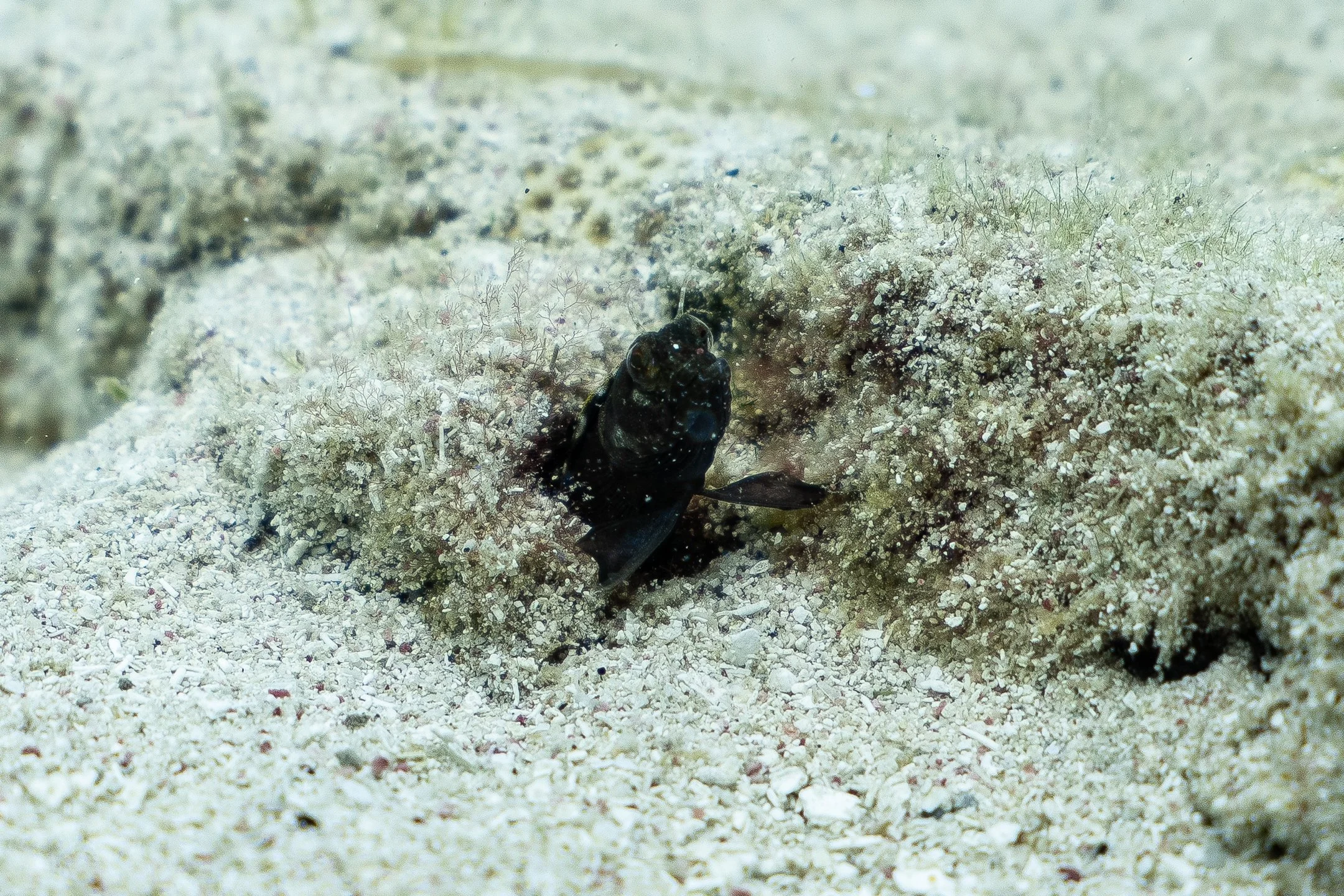
13. Blenny
Blennies are known for their expressive faces and curious behavior, often peeking out from holes in the reef.
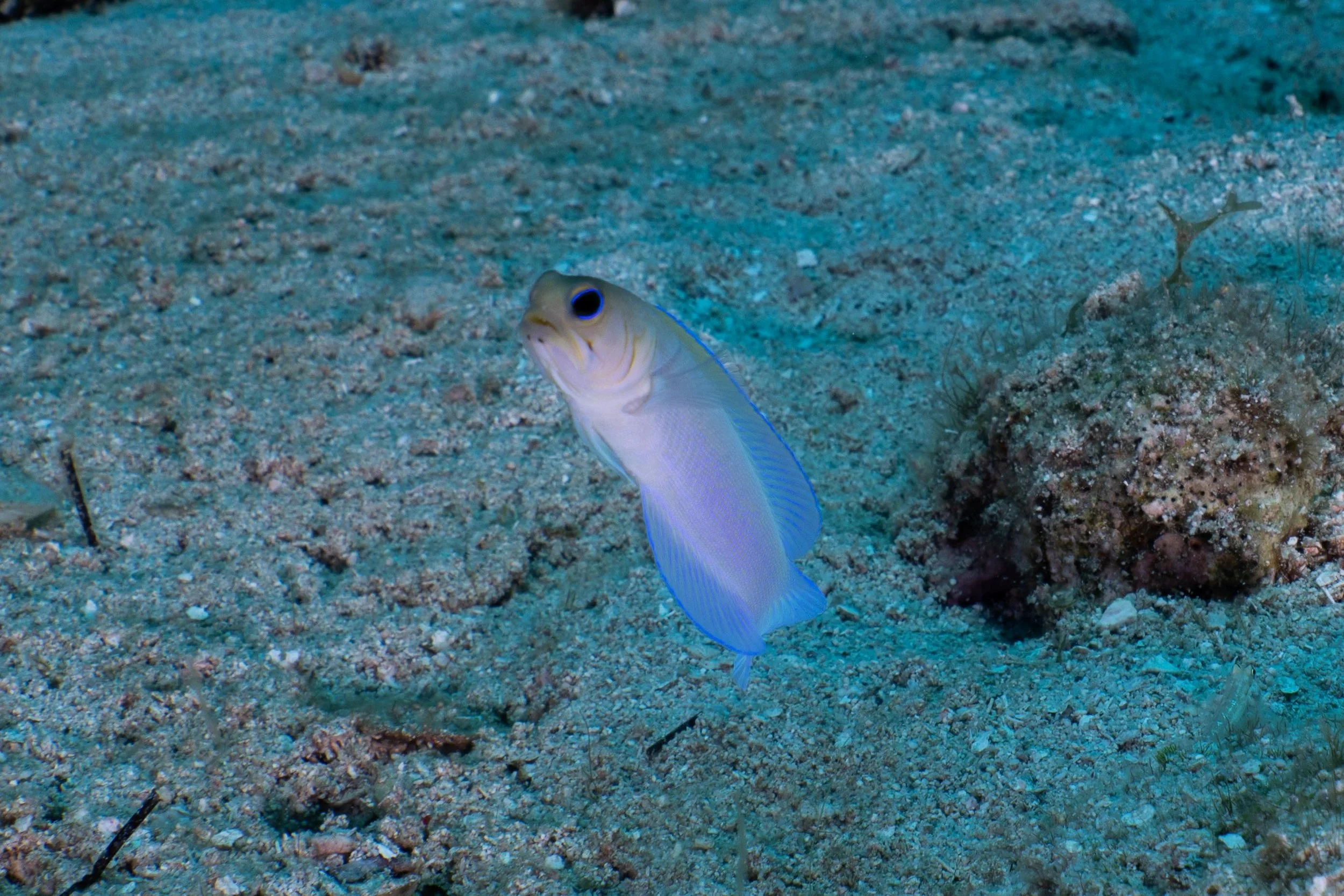
14. Yellowhead Jawfish
Easily recognized by their bright yellow heads, jawfish hover above their burrows and retreat quickly when approached.
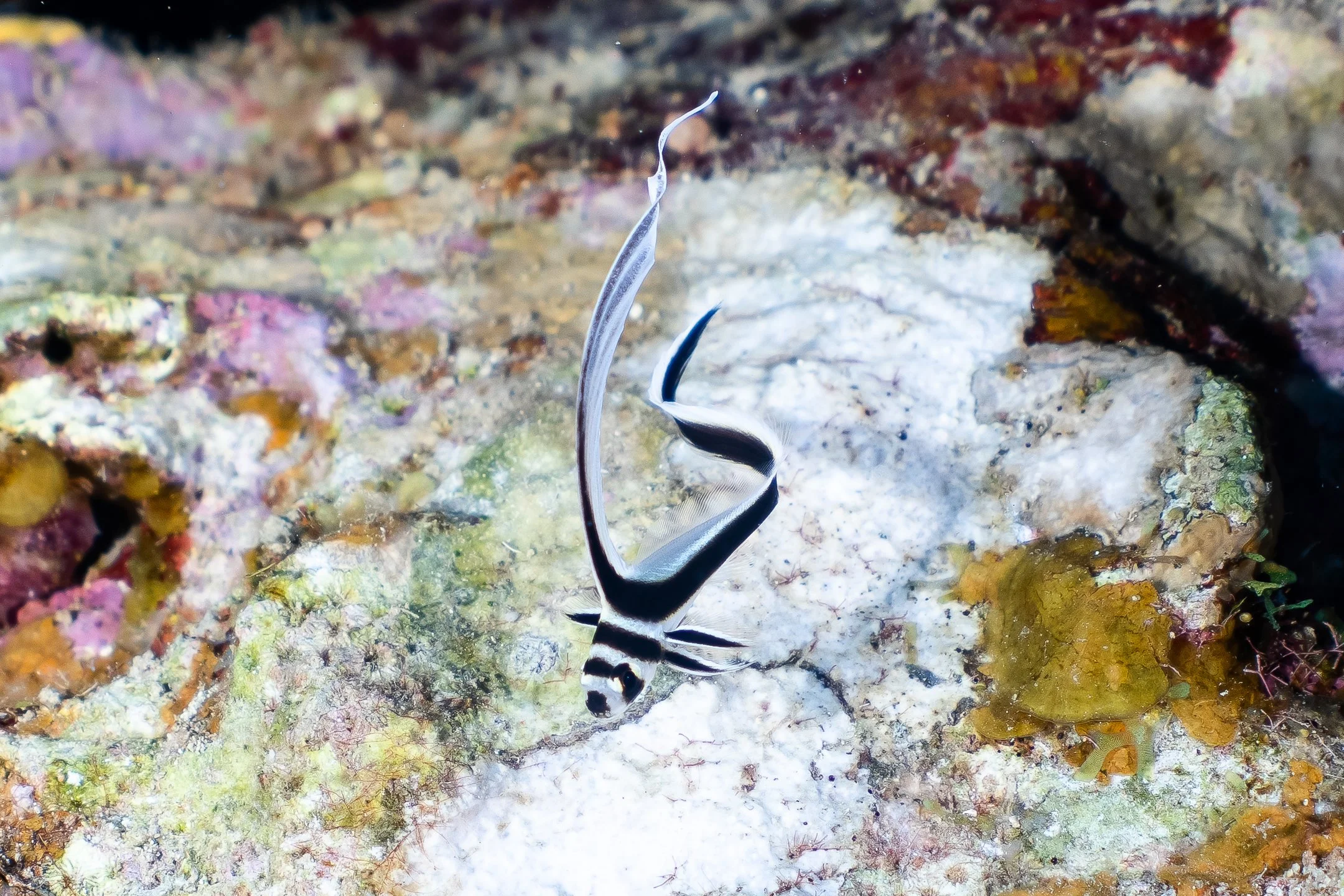
15. Spotted Drum
Juvenile spotted drums are especially popular due to their flowing fins and unique swimming patterns.
Photos: Juan Darhanpe and Deep Photos
Why Roatan is one of the best places for Marine Life Encounters
From shallow reefs to deep walls, the diving in Roatan offers ideal conditions to observe marine life year-round. Slow diving, good buoyancy, and experienced guides make all the difference.
Some questions that our divers often ask us about Roatan’s Marine Life:
-
Roatan is known for its diversity, from large reef fish like eagle rays and groupers to smaller macro species such as shrimp, blennies, and jawfish, making every dive different.
-
Yes. Thanks to warm waters and stable conditions, marine life can be seen on nearly every dive throughout the year.
-
Absolutely. Many dive sites are shallow and calm, allowing new divers to experience rich reef life from their very first dives. You can see turtles, eagle rays, moray eel and lots of species of fish.
-
Definitely. Night Dives reveal a completely different side of the reef, with species like octopus, basket stars, squid, and other nocturnal creatures becoming active. Another pact that makes the night dive very special is the rare “string of pearls” phenomena.
-
Roatan offers a mix of reefs, walls, and sandy areas, each hosting different species and behaviors, depending on the dive site and conditions.
Buy the Caribbean Reef Life ebook and learn more about the species that you encounter here.
-
Good buoyancy, slow diving, respectful observation, and choosing responsible dive operators all help protect the reef and its inhabitants.
Buy the Caribbean Reef Life ebook and learn more about the species that you encounter here.
