

¿Puedo bucear en Roatán sin tener el título de buceo?
Seguro que ya has oído hablar de lo fantástico que es bucear en Roatán, así que no te lo puedes perder. Pero, ¿se puede bucear en Roatán sin tener el carné de buceo? ¡Respondemos a todas tus dudas sobre la certificación y mucho más en nuestra última entrada del blog!

¡Planificar tus vacaciones tropicales en Roatán es muy emocionante! Al fin y al cabo, hay un montón de actividades increíbles que puedes disfrutar. Desde relajarte en playas de arena blanca hasta jugar con perezosos y monos… ¡yno te olvides del pasatiempo más popular de la isla: el buceo! Para quienes no estén familiarizados con este deporte, parece tan fácil como ponerse el equipo de buceo y meterse en el agua, ¿verdad? Pues no tanto.
El buceo requiere ciertas habilidades, conocimientos y comprensión del equipo, los procedimientos de seguridad y los posibles riesgos que conlleva.
Por suerte, PADI ha facilitado las cosas a quienes estén interesados en practicar el buceo. Así que, aunque no puedes simplemente subirte a un barco y bucear en Roatán sin una certificación, tienes varias opciones a tu disposición.
Opción uno: PADI Discover Scuba Dive
El curso «Discover Scuba Dive» (DSD) es perfecto para los amantes de la aventura que disponen de poco tiempo o que simplemente quieren «mojarse los pies» en el agua. Un DSD es una experiencia de medio día que consiste en una introducción al equipo de buceo y a la teoría del buceo, seguida de una práctica de habilidades básicas en Half Moon Bay, y que culmina con tu primera inmersión en el océano hasta los 40’.
Aunque el programa «Discover Scuba Dive» no te otorga ninguna certificación, sí te permite descubrir en qué consiste el buceo en Roatán, sin el compromiso de tiempo y económico que supone el curso completo de Open Water. Dicho esto, si te gusta el buceo y tienes disponibilidad, puedes continuar con la certificación completa PADI Open Water o PADI Scuba Diver.

Opción dos: ¡Consigue tu certificación PADI!
Si has decidido que lo que realmente quieres es obtener tu certificación de buceo, puedes conseguir la certificación PADI durante tu estancia en Roatán. Actualmente ofrecemos dos cursos de certificación para principiantes: PADI Scuba Diver y PADI Open Water.
El curso PADI Scuba Diver dura aproximadamente dos días completos y, al finalizarlo, obtendrás la certificación para bucear hasta los 40’ acompañado de un profesional. El curso PADI Open Water requiere un poco más de tiempo y esfuerzo, ya que dura entre 2,5 y 3 días. Sin embargo, al finalizarlo, obtendrás la certificación para bucear hasta los 60’ acompañado de un compañero o de un profesional.
Sea cual sea el curso que elijas, ambos abordarán temas como la planificación de las inmersiones, el uso del equipo, la física del buceo, la fisiología, la comunicación submarina y la seguridad en el buceo. ¡Y todo ello mientras exploras el magnífico mundo submarino de Roatán!
Requisitos previos para bucear en Roatán
Tanto si solo quieres probarlo como si quieres obtener la certificación completa, hay algunos requisitos previos que debes tener en cuenta antes de poder bucear en Roatán. Debes:
Para participar en cualquiera de los programas mencionados, es necesario tener al menos 10 años.
Goza de buena salud física y posee las habilidades necesarias para nadar
Por lo demás, ¡lo único que necesitas es una actitud positiva y espíritu aventurero! Ah, y crema solar respetuosa con los arrecifes.
¿Estás listo para practicar submarinismo en Roatán?

6 especies que los amantes de la naturaleza no deben perderse en Roatán
Aunque Roatán es conocida por sus arrecifes de coral, también hay mucha fauna que disfrutar en la superficie. ¡Echa un vistazo a estas seis especies que los amantes de la naturaleza no deben perderse cuando viajen a Roatán!
La pequeña isla de Roatán, que resulta ser la mayor de las Islas de la Bahía, rebosa de riqueza natural y de una rica historia. Aunque muchos estarán de acuerdo en que la mayor parte de la riqueza de Roatán reside en sus arrecifes de coral, los amantes de la naturaleza también tienen mucho que admirar por encima del agua. ¡Sigue leyendo para descubrir las seis especies principales que los amantes de la naturaleza no deben perderse en Roatán!

Agutí de la isla de Roatán; imagen de Joel Amaya
Agutí de la isla de Roatán (Dasyprotcta ruatanica)
¿Qué era ese rápido borrón marrón que se escabullía por el sendero? ¿Era un conejillo de Indias con pezuñas? ¡No! Era el agutí endémico de la isla de Roatán, también conocido como «watusa» por los lugareños. El agutí de Roatán, ligeramente más pequeño que el agutí centroamericano, destaca por su pelaje de un intenso color marrón anaranjado y suele presentar una mancha blanca en la barbilla y una zona amarillenta en el vientre. Activo tanto de día como de noche, este tímido y adorable conejo isleño habita en la espesura, donde disfruta comiendo almendras, cocos e hibiscos.
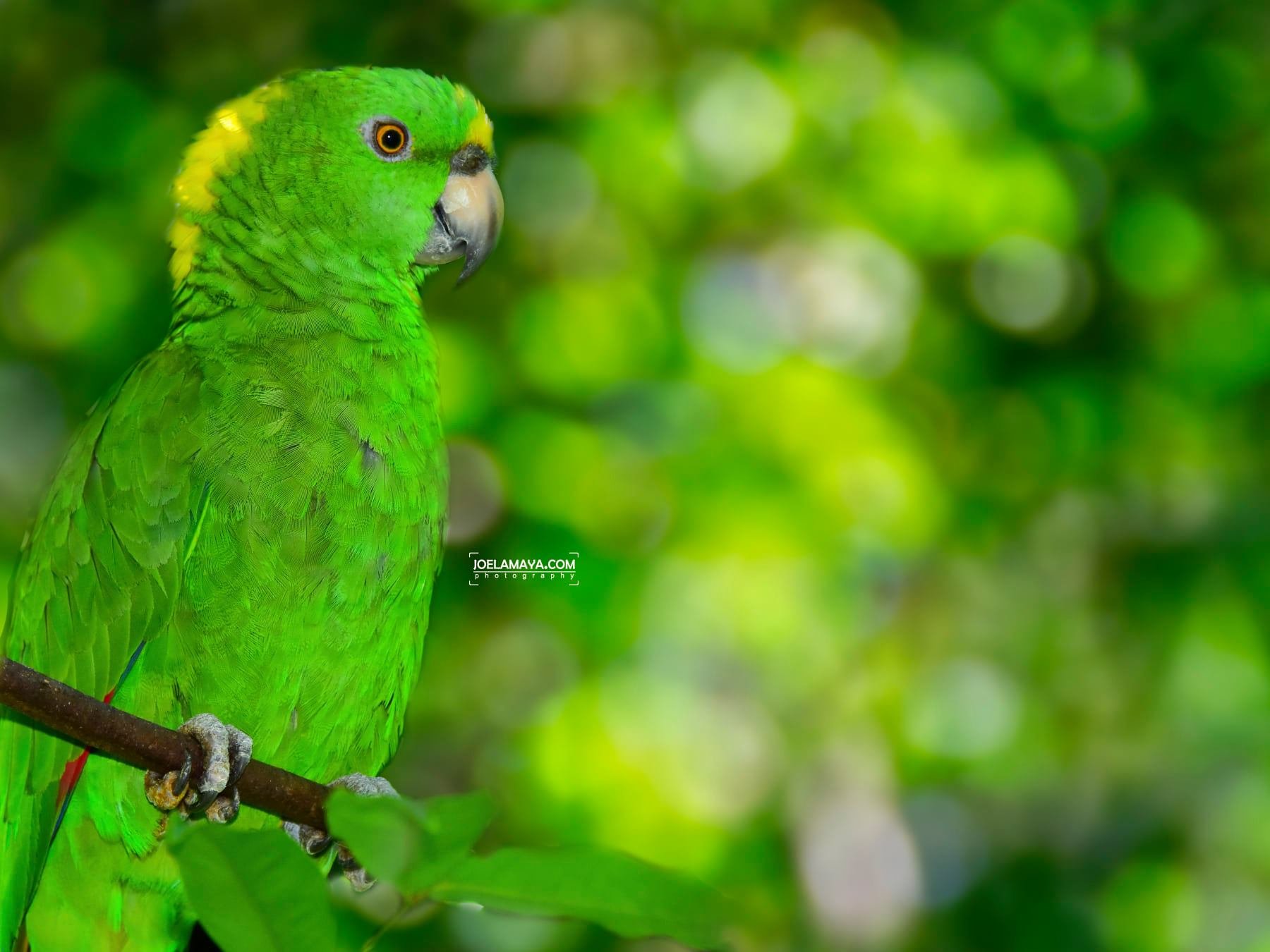
Loro de nuca amarilla; imagen de Joel Amaya
Loro de nuca amarilla (Amazona auropalliata)
Es temprano por la mañana, el sol empieza a asomar y los árboles cobran vida con el canto de los pájaros. Si prestas atención, quizá puedas oír los graznidos del loro de nuca amarilla, una especie endémica. Estas hermosas aves son conocidas por la franja amarilla que les cruza la nuca y por su coronilla de un verde intenso. Por desgracia, la deforestación y el comercio ilegal de mascotas han contribuido a que esta especie haya sido declarada en peligro crítico de extinción por la Lista Roja de la UICN. Uno de los mejores lugares donde aún se puede avistar al loro de nuca amarilla es el Arboreto Tropical de Blue Harbor.

Iguana de cola espinosa de Roatán; imagen de Joel Amaya
Iguana de cola espinosa de Roatán (Ctenosaura oedirhina)
Si vienes a Roatán, ¡ver a la iguana de cola espinosa, endémica de la isla, debería ser una visita obligada en tu lista! Esta iguana, con rayas blancas y negras, se distingue por su hocico redondeado y fue reconocida finalmente como una especie propia en 1987. Conocidas como «garrobo» por los lugareños, estas iguanas se pueden encontrar en los manglares, en la costa de hierro e incluso en zonas urbanas como el Grand Roatán, en West Bay. Sin embargo, la iguana de cola espinosa de Roatán se considera en peligro de extinción debido a la explotación para el consumo, la depredación por parte de gatos y perros, y la pérdida de hábitat. En la actualidad, viven en la isla aproximadamente 4.500 iguanas.
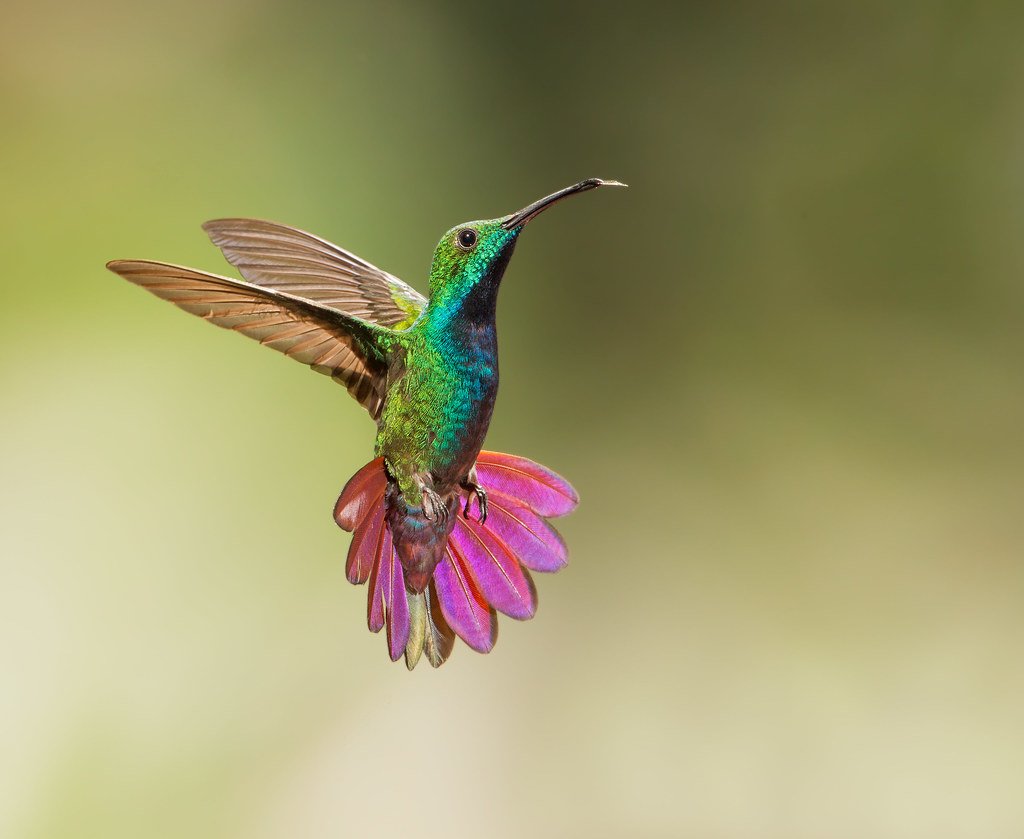
Mango de pecho verde; imagen de Yamil Sáenz
Colibrí mango de pecho verde (Anthracothorax prevostii)
Dicen que las cosas buenas vienen en frascos pequeños, ¡como el colibrí de pecho verde! A estos encantadores colibríes les encanta polinizar la flora local y libar néctar dulce; viven, literalmente, un sueño. Los machos destacan por su plumaje de color verde intenso, su garganta azul y las plumas de la cola de color morado y naranja (hola, mango). Aunque se les ve fácilmente por toda la isla, puedes visitar La Sirena, en el extremo este, para disfrutar de un espectáculo especial sobre el agua: gracias a la colocación estratégica de varios comederos para pájaros, estos colibríes abundan mientras disfrutas de una comida fabulosa.

Pájaro carpintero de frente dorada; imagen de Darren Clark
Pájaro carpintero de frente dorada (Melanerpes aurifrons)
Ah, el despertador de la isla de Roatán. No, no nos referimos a las gallinas, ¡sino al pájaro carpintero de frente dorada! Si alguna vez has pasado una noche en Roatán, probablemente hayas oído el repiqueteo matutino de este precioso pájaro fuera de tu ventana. Con la nuca y la parte inferior del vientre de un amarillo intenso, las hembras del pájaro carpintero de frente dorada parecen como si les hubieran espolvoreado oro. Siempre dispuestos a superarse a sí mismos, los machos rematan su plumaje con una frente dorada y una corona de un rojo anaranjado brillante.

Serpiente coral de Roatán; imagen de Joel Amaya
Serpiente coralina de Roatán(
, Micrurus ruatanus)
¿Conoces la rima «rojo sobre amarillo, mata a un amigo; rojo sobre negro, es amigo de Jack»? Bueno… no es exactamente así. La serpiente coral de Roatán, especie endémica y, lamentablemente, en peligro crítico de extinción, es conocida por su carácter tímido y sus bandas alternadas de color negro y rojo. Aunque no presenta ningún tono amarillo en el cuerpo, se ha estudiado el veneno de esta serpiente y se ha demostrado que contiene una sustancia rica en toxinas que resulta letal para los ratones. De hecho, ¡se determinó que su alta potencia la convierte en una de las más letales de Centroamérica! La serpiente coral de Roatán suele encontrarse en la parte occidental de la isla, donde se refugia bajo las hojas de los cocoteros o en los humedales.
Esta lista solo recoge una pequeña parte de la increíble fauna que se puede contemplar en la isla. La mejor opción para descubrir toda la biodiversidad que ofrece Roatán es contratar a un guía local, ¡igual que harías para practicar el buceo! Joel Amaya, de Roatán Wildlife, es uno de esos guías que no solo es el sueño hecho realidad de cualquier observador de aves, sino que también es pionero en la educación medioambiental, la documentación y los esfuerzos de conservación de las especies silvestres de Roatán.
¿A qué esperáis, amantes de la naturaleza?
¡Sal a la calle y disfruta de la naturaleza!


¡6 consejos para bucear con seguridad en tiempos de la COVID!
En marzo de 2020, Roatan Divers, al igual que la mayor parte del resto del mundo, se vio obligada a hacer un intervalo en superficie muy largo e inesperado.

En marzo de 2020, Roatan Divers, al igual que la mayor parte del resto del mundo, se vio obligada a tomarse un intervalo en superficie muy largo e inesperado. Tras cinco meses de desaturación, Roatán ha abierto por fin sus fronteras a los vuelos internacionales y nacionales. Si estás listo para volver a meter las aletas en el agua, echa un vistazo a estas seis medidas para bucear con seguridad durante la pandemia de COVID-19 antes de reservar tu viaje con nosotros.
1. Deja que nos ocupemos del equipo.
En RD somos un taller que ofrece un servicio integral, así que deja que nos encarguemos del montaje, desmontaje y desinfección de todo el material. Hemos implantado nuevas medidas de desinfección, incluido el enjuague individual de las boquillas, para garantizar que todo quede debidamente limpio.
2. ¡No seas egoísta, ponte la mascarilla!
El equipo de RD está deseando ver vuestras caras sonrientes... y tendremos que confiar en que eso es precisamente lo que estáis haciendo debajo de esa mascarilla. Nuestras mascarillas os protegen a vosotros, vuestras mascarillas nos protegen a nosotros, y Además, las mascarillas «Plus 1» os protegen a vosotros y a quienes más lo necesitan en Roatán (si buscáis un recuerdo de la COVID con estilo que, además, contribuya a una buena causa).
3. ¡Haz como el camarón limpiador y lávate las manos!
Hay algunas cosas que podemos evitar tocar, como la fauna marina. Hay otras que no podemos evitar, como los pomos de las puertas. Asegúrate de lavarte las manos o de utilizar desinfectante de manos (que hemos colocado estratégicamente por toda la tienda) después de entrar en contacto con superficies de uso frecuente.
4. Respeta el espacio de tu compañero... y su aire
¡Deja espacio a tu compañero para que haga la patada de rana! El distanciamiento social es importante a la hora de reducir el riesgo de contagio. Y, aunque es muy poco probable, podrías encontrarte en una situación en la que tengas que compartir aire. En lugar de respirar por tu regulador alternativo durante la comprobación de seguridad previa a la inmersión, ¡simplemente purga el aire mientras respiras por la primera etapa!
5. ¡Ten cuidado por dónde sueltas esas pompas!
Y esa mucosidad que te sale de la nariz. Ten en cuenta dónde limpias el tubo de buceo o enjuagas la máscara mientras estás en el agua, y evita expulsar esos… fluidos… cerca de otros buceadores.
6. No te sumerjas si presentas síntomas de COVID.
Si tú, o alguien con quien hayas estado en contacto, presenta síntomas de COVID, aíslate inmediatamente y ponte en contacto con profesionales sanitarios. ¡El precioso arrecife de Roatán te estará esperando cuando te recuperes!
¿Quieres más información sobre cómo bucear con seguridad tras la COVID? Echa un vistazo a los recursos de DAN en su página web.
Los 3 mejores consejos para cuidar tus oídos al practicar submarinismo
Las orejas.
Los necesitamos para oír, los necesitamos para compensar la presión al bucear y hacen que nuestra cara parezca menos rara. Todas ellas son funciones importantes, ¿no? Nuestros oídos desempeñan funciones increíblemente importantes para nosotros y, aunque son resistentes y robustos, es importante que los cuidemos. Cuando buceamos, es aún más imprescindible que los cuidados posteriores se realicen correctamente para no tener problemas de compensación ni dolor a medida que avanza la semana.
Así que, sin más preámbulos, ¡aquí tienes nuestros tres mejores consejos para cuidar tus oídos cuando practiques submarinismo!
Las orejas.
Los necesitamos para oír, los necesitamos para compensar la presión al bucear y hacen que nuestra cara parezca menos rara. Todas ellas son funciones importantes, ¿no? Nuestros oídos desempeñan funciones increíblemente importantes para nosotros y, aunque son resistentes y robustos, es importante que los cuidemos. Cuando buceamos, es aún más imprescindible que los cuidados posteriores se realicen correctamente para no tener problemas de compensación ni dolor a medida que avanza la semana.
Así que, sin más preámbulos, ¡aquí tienes nuestros tres mejores consejos para cuidar tus oídos cuando practiques submarinismo!
Enjuágate los oídos con agua tibia después de una inmersión
¿Sabes que una toalla salada nunca se seca? Del mismo modo, si no te enjuagas el oído con agua dulce después de una inmersión, el agua salada puede quedarse dentro del oído y crear el entorno perfecto para que crezcan bacterias y hongos. Si estás cerca de una ducha, gira las orejas hacia la ducha y utiliza agua tibia para enjuagártelas. Si estás en un crucero de buceo o en una embarcación de excursión y no tienes acceso a una ducha, mezcla agua fría y caliente en un vaso de la estación de bebidas y viértela en cada oído para enjuagarlos.
No utilices, repito, NO utilices bastoncillos de algodón
¿Cómo podríamos decirlo más claro? Tanto los otorrinolaringólogos (también conocidos como «otorrinolaringólogos», para los que os gusta usar términos rebuscados) como los instructores de buceo os dirán que nunca utilicéis bastoncillos de algodón para limpiaros los oídos. Entendemos que resulta extrañamente refrescante limpiarse los oídos con ellos, pero ¿sabíais que hacen más daño que bien? De hecho, los bastoncillos de algodón pueden empujar el cerumen más hacia el interior del oído en lugar de sacarlo, obstruyendo así el conducto auditivo. Con un bastoncillo de algodón también se puede llegar al tímpano, por lo que empujar con demasiada fuerza puede llegar a perforarlo. Enjuagarte los oídos con agua tibia es igual de eficaz, ya que ablanda y afloja el cerumen sin riesgo de dañar los oídos, así que haz caso al médico y deja de usar bastoncillos de algodón.
El vinagre y el alcohol isopropílico son los mejores colirios
Si el agua tibia no es suficiente para mantener tus oídos sanos, ¡nuestra mezcla casera de gotas para los oídos te vendrá de perlas! Aunque, por supuesto, puedes comprar gotas para los oídos en la farmacia, estas no son tan económicas como una mezcla casera y suelen contener glicerina, que puede dejar un residuo graso. A nosotros nos gusta preparar una mezcla al 50 % de vinagre y alcohol de desinfección. El alcohol de desinfección seca la piel, mientras que el vinagre equilibra el pH, por lo que puedes secarte los oídos sin resecarlos en exceso. De todos modos, la mayoría de la gente tiene ambos productos en casa, así que prepara una pequeña cantidad antes de irte de viaje y viértela en un frasco adecuado para viajar antes de tu próximo viaje y… ¡voilà! Oídos limpios, felices y sanos.
¡Y eso es todo! Aunque esta no es, desde luego, nuestra entrada de blog más sexy, sí que es importante, así que esperamos que hayáis aprendido algo y nos vemos pronto en Roatán para poner en práctica esos consejos.

3 reglas importantes para un comportamiento adecuado en la playa
¡Hablemos de cómo comportarse correctamente en la playa! Si prestas un poco de atención y sigues estas tres reglas importantes para comportarte correctamente en la playa y en los arrecifes, podrás aportar tu granito de arena como turista (o residente) responsable para ayudar a que nuestra isla siga siendo un lugar maravilloso.
El turismo es a la vez una bendición y una maldición. Islas como Roatán dependen en gran medida del turismo para su economía, y el sector turístico puede ayudar a impulsar iniciativas de conservación para proteger el patrimonio natural. Sin embargo, una gran afluencia de personas que desconocen las normas de comportamiento adecuadas puede causar más daño que beneficio. A medida que el mundo se hace más pequeño, es importante que los visitantes de todo el mundo practiquen un turismo responsable y dejen cada lugar en mejores condiciones de las que lo encontraron al llegar. Fuiste a un lugar porque era bonito e interesante, así que, ¿no deberían tener los demás el mismo privilegio?
¡Hablemos de Roatán y de cómo comportarnos correctamente en la playa y en los arrecifes! Si prestas un poco de atención y sigues estas tres reglas importantes sobre el comportamiento adecuado en la playa y en los arrecifes, podrás aportar tu granito de arena como turista (o residente) responsable para ayudar a que nuestra isla siga siendo un lugar increíble.
1. No se permite permanecer de pie sobre el arrecife

Pisar el arrecife está totalmente prohibido. Tanto si practicas snorkel desde una embarcación como desde la orilla, si te cansas y necesitas descansar, debes flotar boca arriba para recuperar fuerzas o ponerte de pie sobre la arena. El coral está vivo; es un animal que respira, y pisarlo puede causarle daños irreparables. Si no te sientes cómodo practicando snorkel sin apoyarte en algo, ponte un chaleco salvavidas para ayudarte a flotar.
También deberías evitar caminar sobre la hierba de tortuga. En ella viven muchos animales pequeños, como nudibranquios, cangrejos y peces jóvenes, por lo que constituye un ecosistema importante en Roatán. Mantén una distancia prudencial con respecto a los corales y la hierba de tortuga para que nuestro mundo marino pueda seguir prosperando.
2. ¡No se toca!

¡+5 puntos si entiendes esta referencia a «Arrested Development»!
Pero, hablando en serio, nada de tocar. No toques, no cojas ni recojas nada de la fauna marina. Todo lo que hay bajo el agua, desde una concha pequeña y vacía hasta un trozo de hierba, puede ser el hogar o el alimento de un animal marino, así que, por favor, no recojas nada de la playa ni saques nada del agua. Por pequeña que sea, cada vida es preciosa y merece vivirla sin que la molestemos.
Como recomendación adicional: ten en cuenta lo que compras. Aunque no lo saques físicamente del agua, está totalmente prohibido comprar recuerdos marinos, como caracolas, caballitos de mar y corales. Asegúrate de informarte sobre el comercio ilegal de especies silvestres y la sostenibilidad, porque la ignorancia no es excusa.
3. Recoge tu basura

En temporada alta, sobre todo en épocas como Semana Santa, nuestras playas suelen llenarse de bolsas de plástico, envases de comida para llevar y botellas de refresco. Estos residuos acaban finalmente en el mar, donde pueden enredarse en las tortugas y los peces o asfixiarlos, o incluso acabar en sus estómagos. Evita el uso de plásticos desechables llevando tus propios artículos reutilizables y, si al final tienes que usar plástico desechable, tira siempre la basura a la papelera.
Como sabemos que puede resultar complicado viajar con tus propios envases reutilizables, intenta acudir a restaurantes que ofrezcan alternativas al plástico. Muchos restaurantes ofrecen envases para llevar fabricados en papel, cortesía del Parque Marino de Roatán, que tienen un menor impacto medioambiental que el plástico. ¡Incluso hay opciones biodegradables de origen vegetal! Recuerda que, aunque utilices alternativas al plástico, sigue estando prohibido tirar basura al suelo.
¡Ahí lo tenéis: tres normas sencillas e importantes que debéis seguir para comportaros correctamente en la playa y en los arrecifes! Tanto si viajáis lejos como si os quedáis cerca de casa, practicar un turismo responsable ayudará a garantizar un futuro mejor para el planeta. Que paséis un feliz verano y espero que todos podáis disfrutar pronto de nuestra pequeña isla.

¿Cuánto cuesta alojarse en West End, Roatán, durante una semana?
Así que vas a venir a visitar Roatán durante una semana más o menos, ¡genial! En cuanto a los gastos del viaje, como la comida, el transporte, el alojamiento y las actividades, muchos viajeros quieren hacerse una idea de cuánto deben presupuestar. Hay algo que debes tener en cuenta: es posible que los precios aquí en Roatán no sean los que esperas.
Así que vas a venir a visitar la zona de West End, en Roatán, durante una semana más o menos. ¡Genial! En lo que respecta a los gastos del viaje, como la comida, el transporte, el alojamiento y las actividades, muchos viajeros quieren hacerse una idea de cuánto deben presupuestar. ¡Atención, spoiler! Puede que las cosas aquí, en West End, no sean lo que esperas.
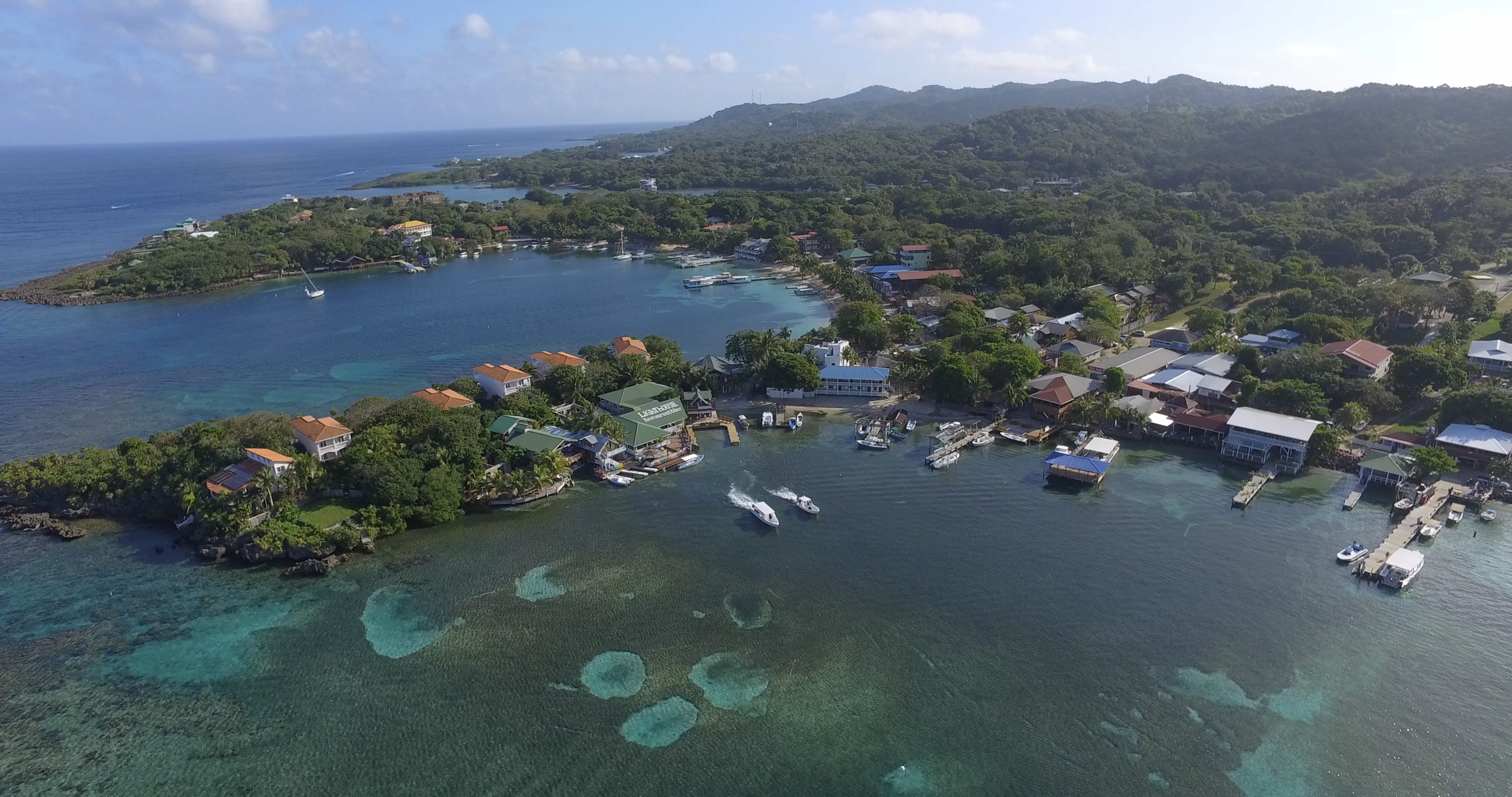
Cuando se piensa en Roatán como parte de Honduras, muchos viajeros esperan que todo sea muy barato, ya que estamos en Centroamérica. La realidad es que Roatán es una isla y casi todo lo que se consume aquí es importado. Nuestros alimentos, productos y suministros han tenido que recorrer un camino mucho más largo para llegar a nuestra alegre isla y, por lo tanto, eso encarece el precio de prácticamente todo.
Hagamos un breve repaso de los gastos más habituales al viajar a West End, en Roatán. Ten en cuenta que, en comparación con otras islas y lo que cuestan las cosas allí, Roatán sigue siendo una de las opciones más asequibles y en las que más se saca partido al dinero.
Gastos en comida y bebida
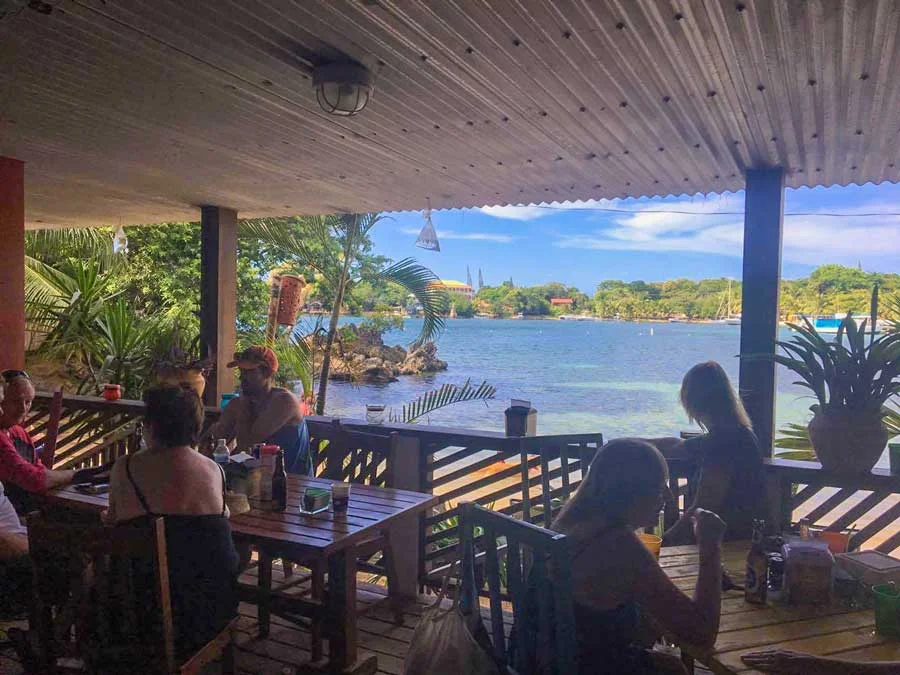
Las vistas desde el Ginger's Caribbean Grill, al otro lado de la playa, frente a Roatan Divers
Tanto si vas a comer a un restaurante como si vas a hacer la compra, ten en cuenta que los precios serán los que suelen pagarse en Estados Unidos. En Coxen Hole y French Harbor hay grandes supermercados que ofrecen muchas de las marcas estadounidenses más conocidas, que la mayoría de los turistas reconocen. Por lo general, estos productos te costarán lo mismo, o incluso más, que si los compraras en tu supermercado habitual.
Si sales a comer a la mayoría de los restaurantes del West End, calcula que gastarás entre 8 y 13 dólares por persona (sin incluir la propina). En algunos de los locales más exclusivos, la comida puede costar entre 15 y 20 dólares por persona. Para obtener más información sobre las normas relativas a las propinas y otras preguntas frecuentes aquí en la isla, consulta esta guía tan útil.
Y claro, es posible encontrar comida más barata dependiendo de lo que te guste (¡piensa en comida frita y muchos hidratos de carbono!). Aquí, en West End, tenemos puestos callejeros locales que sirven comida típica hondureña, como baleadas y platos típicos (carne, alubias y arroz) por unos 5 dólares.
Ya lo sabemos, ya lo sabemos: lo que más te preocupa es cuánto cuesta una cerveza, ¿verdad? A muchos nos gusta valorar la asequibilidad de un destino turístico en función del precio de la cerveza. En Roatán, el precio medio de una cerveza local ronda los 3 dólares, el del vino y las cervezas importadas (como las estadounidenses) es de 5 dólares, y el de los cócteles oscila entre 5 y 7 dólares.
Alojamiento
West End tiene una extensión de aproximadamente 1 milla, y en esa zona hay una amplia variedad de opciones de alojamiento para los viajeros. Tanto si prefieres un hotel más consolidado en el corazón de West End como si te decantas por una casa o un piso de alquiler en las afueras, si te gusta alejarte un poco de los circuitos turísticos habituales, siempre encontrarás un lugar que se adapte a tus necesidades.
Hoteles
Los precios de los hoteles en West End pueden oscilar entre 35 y 200 dólares por noche (sin contar los albergues), por lo que hay opciones para todos los bolsillos. Los factores importantes a tener en cuenta a la hora de elegir un hotel son la época del año (precios de temporada alta frente a precios de temporada baja) y si el precio incluye aire acondicionado o alguna opción de comida. Los hoteles de aquí suelen ser bastante pequeños y aportan gran parte del encanto y el ambiente de pequeña comunidad que tanto gusta a la gente de Roatán.
Es importante tener en cuenta que, aunque en West Bay hay hoteles con todo incluido, los de West End no lo son. La mayoría de los hoteles tampoco incluyen el desayuno, así que asegúrate de tenerlo en cuenta y lee bien la letra pequeña cuando busques alojamiento.
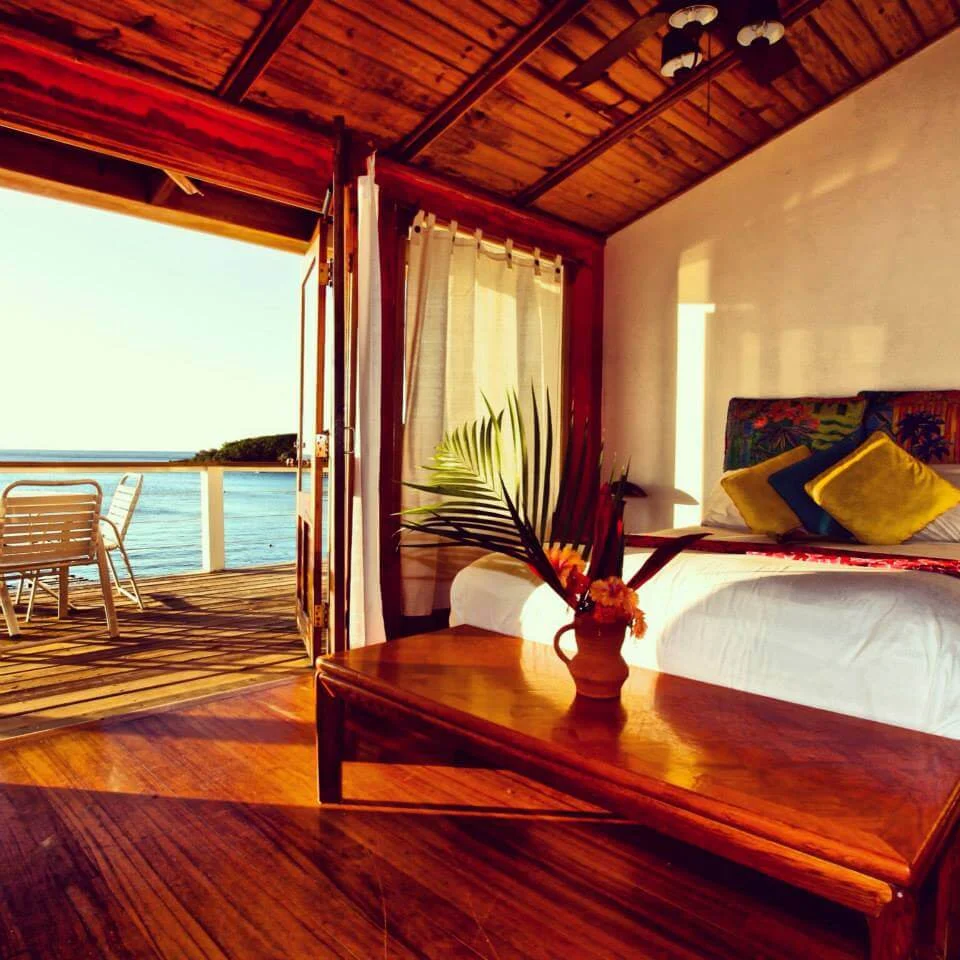
El interior de The Beach House Roatán
¿Qué opciones de hotel recomendables hay?El Beach House Roatán es un hotel boutique de lujo situado en el centro de West End, a orillas de Half Moon Bay. Los precios empiezan en 175 $ por noche + 19 % de impuestos e incluyen el desayuno. Para los viajeros que busquen un alojamiento más económico y sencillo, os invitamos a echar un vistazo a Anderson Sunset Villas. Ofrecen habitaciones tipo estudio y apartamentos de dos dormitorios por entre 45 y 75 dólares por noche.Contactad con nosotros para consultar la disponibilidad.
Alquileres vacacionales
Dependiendo del tamaño de tu grupo, un apartamento o una casa de alquiler vacacional podría ser justo lo que estás buscando. Con precios que oscilan entre los 600 y los 1.200 dólares a la semana para opciones de 1, 2 o 3 dormitorios, los apartamentos pueden reducir tus gastos de alojamiento (un apartamento de 2 dormitorios puede resultar más barato que reservar dos habitaciones de hotel) y te ofrecen la libertad de preparar tus propias comidas. Caribbean Colorsofrece una gran variedad de alojamientos en West End y sus alrededores, y sus propiedades cuentan con comodidades modernas, excelentes ubicaciones y un servicio inmejorable.
Transporte
Si te alojas en la zona del West End, ¡la buena noticia es que puedes ir andando a prácticamente cualquier sitio! Los alojamientos, los centros de buceo, los restaurantes y los bares se encuentran todos en un área reducida. Sin embargo, a la hora de desplazarte al aeropuerto, a Coxen Hole o a las zonas del este de la isla, necesitarás un medio de transporte. Los taxis son una opción estupenda y segura a tener en cuenta. Serán más caros si quieres un taxi privado, pero si no te importa compartir el viaje con otras personas, puedes solicitar un «collectivo». Aquí los taxis no tienen taxímetro, por lo que normalmente acordarás un precio antes de subir y salir. El precio variará en función de la ubicación y del número de personas. ¡Recuerda llevar billetes pequeños, ya que aquí los taxistas rara vez tienen cambio!
Actividades

Echa un vistazo a algunas actividades divertidas en las islas en Go Blue Bay Islands
Roatán ofrece una amplia variedad de actividades, ¡pero, por supuesto, lo que más nos caracteriza es el buceo! Los precios del buceo en Roatán se encuentran entre los más asequibles del mundo, sobre todo si se tiene en cuenta lo sano y vibrante que es nuestro arrecife y la gran cantidad de puntos de inmersión que ofrecemos.
También hay disponibles otras actividades como tirolinas, snorkel, spas, pesca, golf o excursiones en barco. El precio varía según el operador, pero animamos a los visitantes a optar por un ecoturismo responsable. Para obtener más información sobre cómo apoyar a las empresas con conciencia ecológica, visita Go Blue Bay Islands, que, junto con National Geographic, puede orientarte hacia proveedores y operadores que demuestran su compromiso con el medio ambiente. ¡Son geniales!
¡Esperamos haberte dado una buena idea de los precios aquí en West End y haber despertado tu interés por alojarte en nuestra preciosa isla! Para más información sobre la moneda en Roatán, echa un vistazo a nuestra otra publicación: «5 cosas que debes saber sobre la moneda en Roatán». Como ya hemos mencionado, aunque Roatán quizá no sea el destino más barato que existe, sigue ofreciendo una excelente relación calidad-precio si se tiene en cuenta el coste total de un viaje hasta aquí, junto con el increíble valor que supone formar parte de una pequeña comunidad isleña con una agradable mezcla de ambiente moderno y rústico.
¿Quieres saber más? Estaremos encantados de ayudarte a planificar tus próximas vacaciones en Roatán, así que no dudes en enviarnos un mensaje. ¡Estamos deseando saber de ti!

5 buenas razones para practicar buceo en Roatán
A Roatán se la suele llamar la joya del Caribe por sus numerosas y maravillosas características: su exuberante paisaje montañoso, sus aguas azules, la amabilidad de su gente y su rica y variada cultura. Con vuelos internacionales directos desde Houston, Miami, Atlanta, las Islas Caimán y San Salvador, llegar a este paraíso nunca ha sido tan fácil. ¡Aquí tienes 5 razones de peso por las que creemos que deberías practicar buceo en Roatán!
A Roatán se la suele llamar la joya del Caribe por sus numerosas y asombrosas características: su exuberante paisaje montañoso, sus aguas azules, la amabilidad de su gente y su cultura rica y diversa. Con vuelos internacionales directos desde Houston, Miami, Atlanta, las Islas Caimán y San Salvador, ¡nunca ha sido tan fácil llegar al paraíso! Lo que hace famosa a Roatán son, por supuesto, sus impresionantes arrecifes y su vida marina, por lo que practicar submarinismo debería ser una de las prioridades de tu lista de cosas que hacer cuando la visites. Aunque hayas viajado a otros destinos populares para bucear sin llegar a sumergirte, ¡aquí tienes cinco razones de peso por las que creemos que deberías practicar submarinismo en Roatán!
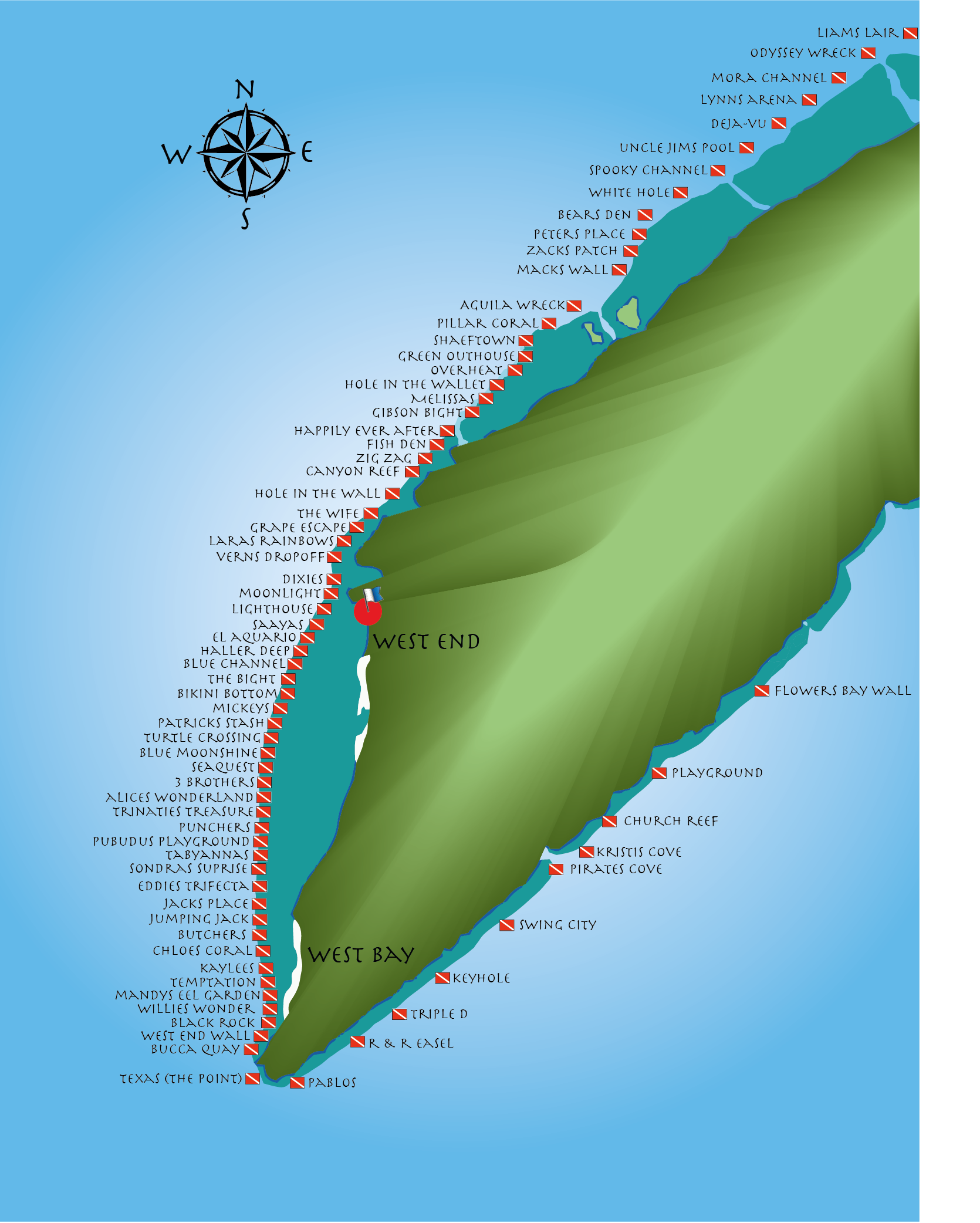
Estos son solo algunos de los puntos de buceo que hay en el West End de Roatán; si intentáramos incluirlos todos, ¡necesitaríamos un mapa mucho más grande!
Razón n.º 1. Los puntos de inmersión están muy cerca
Dado que el arrecife comienza a solo unos cientos de pies de la costa, toda la isla es, básicamente, un gigantesco punto de buceo. Solo desde West End, contamos con más de 30 puntos de buceo a menos de 10 minutos en barco, ¡lo que significa menos tiempo en el barco y más tiempo en el agua! La mayoría de los centros de buceo organizan salidas de una sola botella debido a la proximidad de los puntos de inmersión a los centros, por lo que puedes elegir entre una, dos o tres inmersiones al día y pasar tus intervalos en superficie cómodamente en la playa con una limonada bien fría (o una cerveza, ¡pero solo después de bucear!) en la mano.
Razón n.º 2. Son muy chulas, pero no hace falta hacerlas dos veces
La ventaja de contar con tantos puntos de inmersión tan próximos entre sí es que, a menos que pidas volver a un sitio concreto, no tienes por qué hacerlo. Obviamente, si vas a hacer 50 inmersiones desde West End, entonces sí, acabarás repitiendo algunos puntos, pero es muy fácil aportar variedad a tu experiencia de buceo. La zona de West Bay está repleta de canales de arena, mesetas de coral y mini-paredes, mientras que, a medida que te adentras hacia Sandy Bay, te encuentras con impresionantes cañones y paredes profundas, por lo que hay un montón de topografías interesantes y puntos de interés que explorar.
Razón n.º 3. Bucear en un arrecife en buen estado dentro de un parque marino protegido
El Parque Marino de Roatán surgió hace diez años como un movimiento popular con el objetivo de reforzar la protección de la reserva marina ya establecida por el Gobierno hondureño. Los últimos diez años han supuesto una larga lucha para el Parque Marino de Roatán, pero los frutos de su esfuerzo ya se están haciendo evidentes. En el informe «Healthy Reefs 2015» sobre el Arrecife Mesoamericano, Roatán obtuvo la mejor puntuación en cuanto a la salud de los corales y las poblaciones de peces. Muchos otros destinos de buceo famosos, como la Gran Barrera de Coral, no tuvieron tanta suerte.
La labor constante que realiza el Parque Marino de Roatán en materia de conservación es lo que ayuda a preservar nuestro precioso arrecife durante muchos años más, así que no dejes de apoyarles comprando una entrada diaria de 3 dólares o una pulsera anual de 10 dólares.
Razón n.º 4. Condiciones tranquilas y despejadas, con corrientes suaves

Un mero preñado
Durante la mayor parte del año, disfrutamos de aguas relativamente tranquilas y sin oleaje en la superficie, con una visibilidad submarina media de unos 100 pies/30 metros. Aunque las corrientes pueden variar de un día para otro, solemos tener corrientes suaves que hacen que el buceo sea una experiencia mucho más relajante y agradable.
Cuando el tiempo se pone adverso en la costa norte de la isla, muchas tiendas de buceo de Roatán tienen la flexibilidad de bucear en la costa sur, donde se pueden volver a encontrar condiciones tranquilas y con el mar en calma para practicar el buceo. Este tipo de flexibilidad es prácticamente inaudito en la mayoría de los destinos de buceo populares. En nuestro caso, contamos con un centro de buceo asociado con el que colaboramos para poder seguir ofreciendo a nuestros huéspedes la misma experiencia de buceo de calidad en ambas costas de la isla.
Razón n.º 5. Diversidad de la vida marina
Aunque nuestra colorida fauna marina guarda un estrecho vínculo con la razón n.º 3, no hemos podido resistirnos a dedicar una mención especial a los habitantes submarinos de Roatán. Tanto si te gustan las criaturas más grandes como si disfrutas observando los invertebrados más pequeños y ocultos, ¡aquí lo tenemos todo! Un arrecife sano atrae a su vez una gran variedad de peces, crustáceos, especies de fondo, camarones y peces pelágicos a estas cálidas aguas del Caribe.
¡Ahí lo tienes: 5 razones fantásticas para practicar buceo en Roatán! Si no tienes título de buceo, hay muchas otras formas de disfrutar de nuestro mundo marino, ya sea haciendo snorkel o con el programa «Discover Scuba Diving» de PADI. Nuestra vida en tierra tampoco está nada mal, así que ¡empieza ya a planificar tu viaje a Roatán para disfrutar de las vacaciones de tu vida!
4 recuerdos geniales de Roatán
Nos gustaría compartir contigo nuestras mejores ideas de regalos, que te permitirán llevarte un pedacito de Roatán a casa, al tiempo que compras de forma responsable y apoyas a los artistas y negocios locales.
La palabra «souvenir» puede hacernos fruncir el ceño a muchos de nosotros, al pensar en esos artículos cutres de plástico que se pueden encontrar en prácticamente cualquier destino turístico. Al igual que en cualquier otro destino turístico, tenemos una larga lista de tiendas y baratijas entre las que elegir. Algunos de los artículos que se venden aquí, sin que tú lo sepas, pueden haber sido obtenidos mediante caza furtiva ilegal y infringir las leyes y normativas locales. ¿Cómo puedes encontrar un recuerdo significativo que, además, contribuya a una buena causa?
Nos gustaría compartir contigo nuestras mejores ideas de regalos, que te permitirán llevarte un pedacito de Roatán a casa, al tiempo que compras de forma responsable y apoyas a los artistas y negocios locales. Sin más preámbulos, y SIN ningún orden en particular...
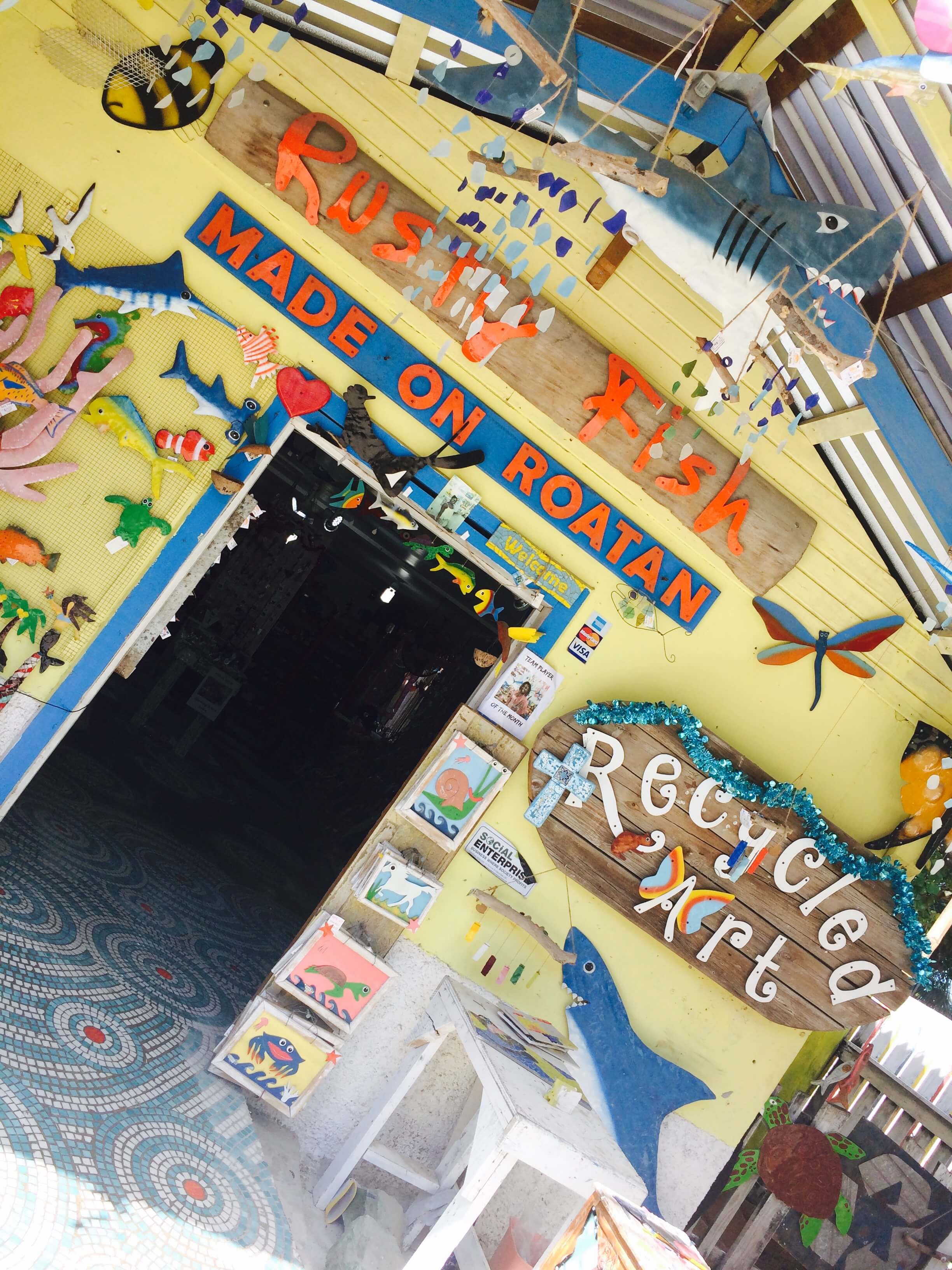
Rusty Fish: Arte isleño reciclado
«¡No tenemos nada de China!», proclaman con orgullo en cada una de sus numerosas tiendas aquí en Roatán. ¡Nos encanta que este negocio local haya encontrado una forma elegante y asequible de convertir la basura de unos en el tesoro de otros! Crean artesanías y obras de arte a partir de metal, madera, plástico y vidrio reciclados. Desde cuadros para la pared hasta imanes, pasando por joyas y mucho más, tienen una magnífica selección entre la que elegir. Gran parte de sus obras de arte se inspiran en nuestra fauna marina local. ¡Es una forma estupenda de llevarte a casa un recuerdo de esa preciosa tortuga verde que viste en el océano! Con tiendas en West End, West Bay y en ambos puertos de cruceros, es un lugar fácil de visitar, incluso si solo estás aquí por un día.
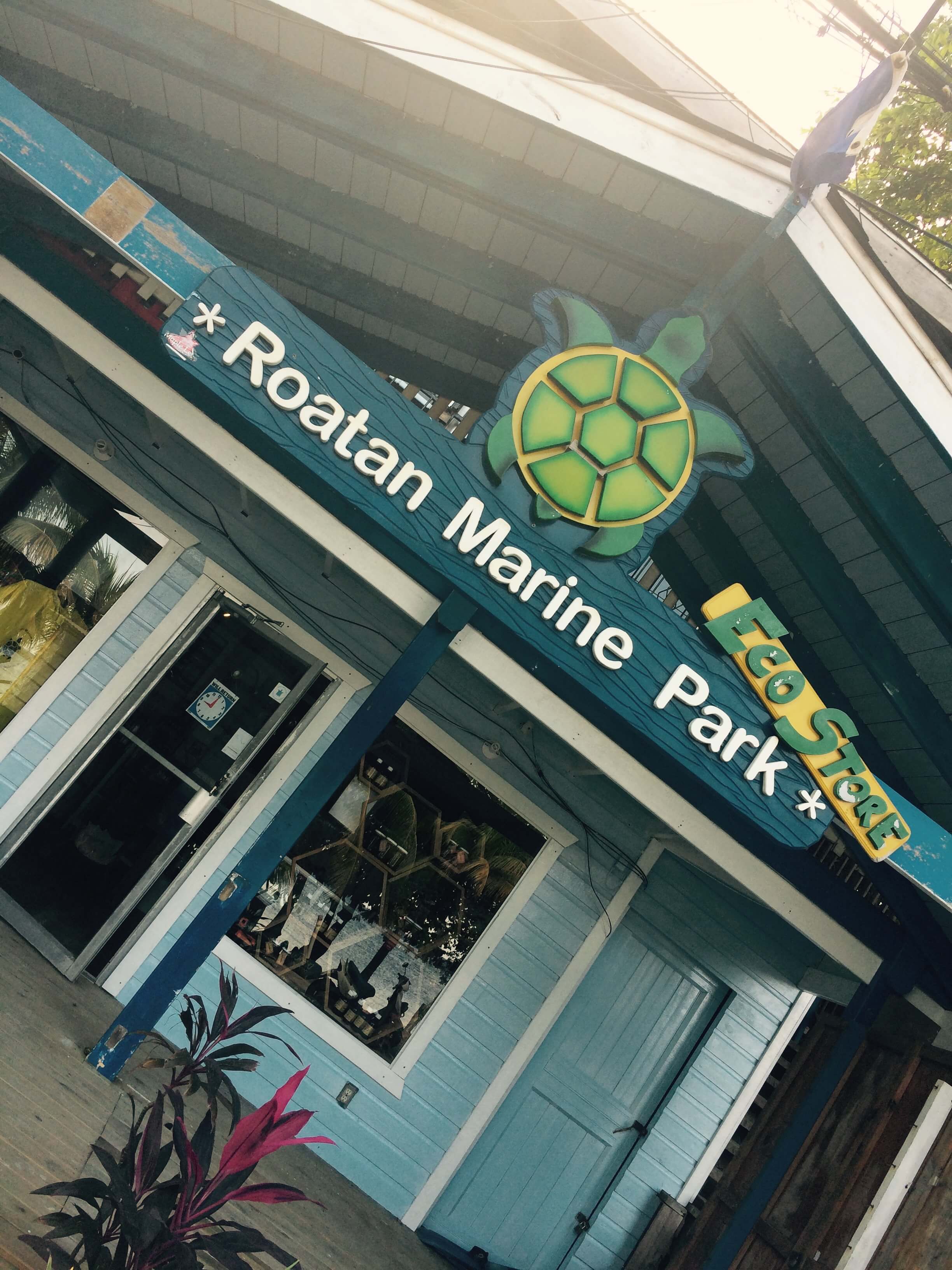
Parque Marino de Roatán - Tienda ecológica
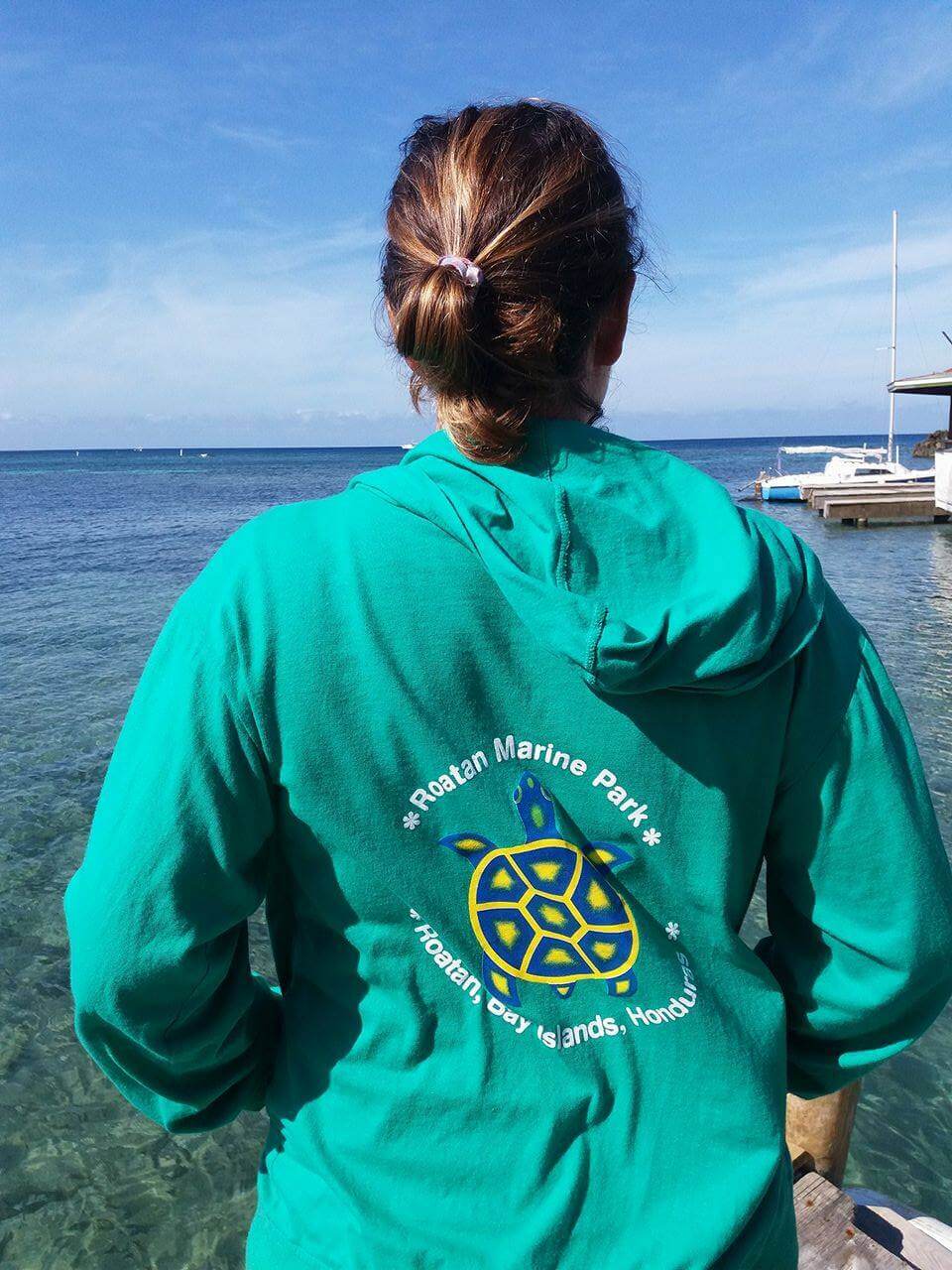
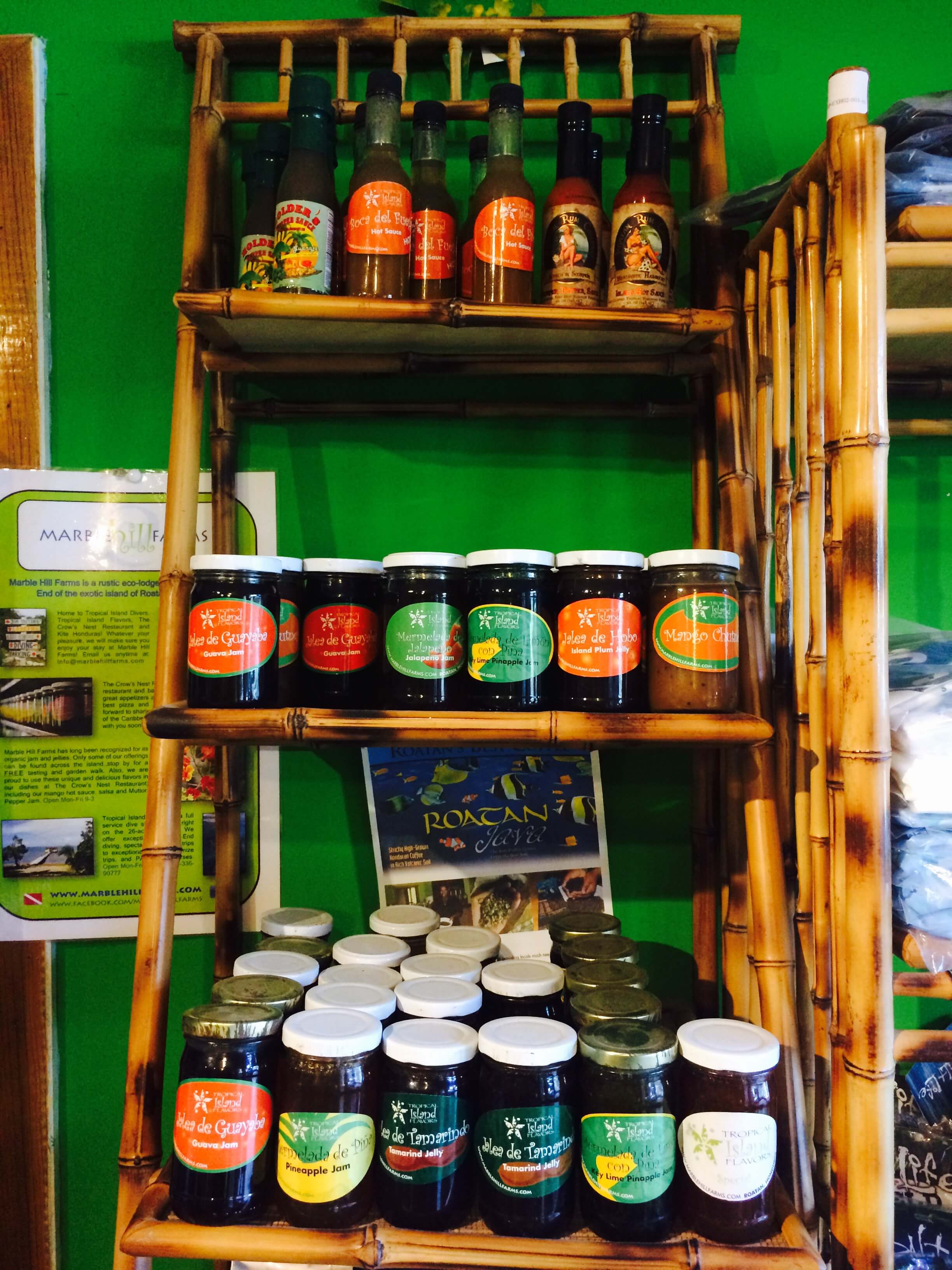
Además del increíble trabajo que realizan para mantener nuestro arrecife sano y hermoso, la tienda ecológica del Parque Marino de Roatán ofrece una selección de artículos y productos locales respetuosos con el medio ambiente. Los ingresos obtenidos con estas ventas se destinan a apoyar al Parque Marino y a sus iniciativas de conservación locales. Ofrecen camisetas de colores, camisetas sin mangas e incluso sudaderas con capucha de manga larga, perfectas para las noches frescas aquí en la isla. También se vende miel de producción local, café, mermeladas, jaleas, repelentes de mosquitos ecológicos e incluso salsa picante.

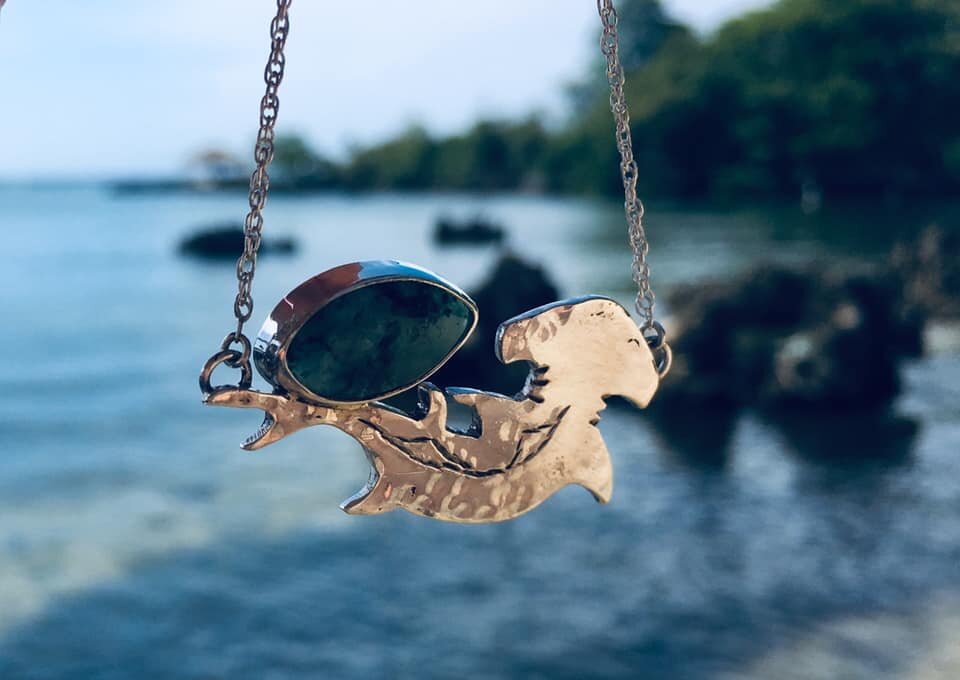
Una pieza personalizada increíble de Pink Ginger Jewelry
Artistas locales
Un recuerdo realmente divertido para llevarte a casa es una obra de arte o una joya hecha a mano por artesanos locales. Normalmente puedes encontrar vendedores locales, ya sea por las calles o por las playas, que ofrecen collares, pendientes y pulseras tanto para hombres como para mujeres. Las hermosas piedras y los intrincados trenzados hacen que estas joyas sean verdaderamente únicas.
Si te gusta el arte, aquí encontrarás láminas, cuadros y lienzos llenos de colores vivos y bonitos que te recordarán al Caribe.
La vida en los arrecifes del Caribe

Prácticamente después de cada inmersión o salida de snorkel, este es el libro que ves en manos de la gente mientras recordamos la colorida y animada vida marina que vemos aquí en Roatán. Es una obra imprescindible para cualquier aficionado a los peces que disfrute de las fotografías de identificación marina del fotógrafo local Mickey Charteris. La edición actual incluye más de 1.000 especies a todo color , con descripciones de cada una de ellas. Todas las fotos se tomaron aquí, en las Islas de la Bahía. Sin saber qué criaturas viven bajo el agua, es difícil proteger y cuidar de verdad el arrecife y a sus habitantes. ¡Es un magnífico libro de mesa de salón o un recuerdo ideal para recordar Roatán!
¿No estás en Roatán?
¡No te preocupes! La mayoría de nuestras ideas de regalo favoritas se pueden comprar por Internet. Visita su página web o ponte en contacto con ellos directamente para saber cómo puedes recibir un pedacito de Roatán para ti y tus amigos.