
6 Tipps für sicheres Tauchen in Zeiten von COVID!
In March of 2020, Roatan Divers, along with most of the rest of the world, were forced to take a very long and unexpected surface interval.

In March of 2020, Roatan Divers, along with most of the rest of the world, were forced to take a very long and unexpected surface interval. After 5 months of desaturating, Roatan has finally opened its borders for international and domestic flights. If you’re ready to get those fins back in the water, take a look at these 6 Practices for Diving Safely During Covid before booking your trip with us!
1. Let us take care of the gear.
Here at RD we are a full service shop, so let us take care of the setting up, dismantling, and disinfecting of all the gear. We have put new disinfecting measurements in place, including individual rinsing of mouthpieces, to ensure everything is cleaned properly.
2. Don’t be shellfish, wear a mask!
The RD team can’t wait to see your smiling faces...and we’ll have to trust that’s exactly what you’re doing underneath that mask. Our masks protect you, your masks protect us, and Plus 1 Masks protect you plus those in need on Roatan (if you’re looking for a stylish COVID Souvenir that gives back).
3. Make like a cleaner shrimp and wash those hands!
There are some things we can avoid touching, like the marine life. There are other things we can’t, such as door handles. Be sure to wash your hands or use hand sanitizer (which we have strategically placed around the shop), after coming in touch with high contact surfaces.
4. Respect your buddy’s space...and air
Give your buddy room to frog kick! Social distancing is important when it comes to reducing the risk of transmission. And while highly unlikely, you may end up in a situation where you need to share air. Instead of breathing from your alternate during your pre-dive safety check, simply purge it while breathing from your first stage!
5. Watch where you’re blowing those bubbles!
And that gunk out of your nose. Be cognizant of where you are clearing your snorkel or rinsing your mask while in the water, and avoid expelling these…fluids...around other divers.
6. Do not dive if you are experiencing symptoms of COVID.
If you, or someone you’ve been in contact with, is experiencing symptoms of COVID, immediately isolate and contact medical professionals. Roatan’s beautiful reef will be waiting for you when you get better!
Want more info on diving safely after COVID? Check out DAN’s resources on their website.

How Much Does It Cost to Stay in West End, Roatan for a Week?
So you're coming to visit Roatan for a week or so, fantastic! When it comes to travel expenses like food, transport, lodging and activities, many travelers want to have an idea of how much to budget. One thing to note: costs here on Roatan might not be what you expect.
So you're coming to visit the West End area of Roatan for a week or so, fantastic! When it comes to travel expenses like food, transport, lodging and activities, many travelers want to have an idea of how much to budget. Spoiler Alert! Things here in West End might not be what you expect.
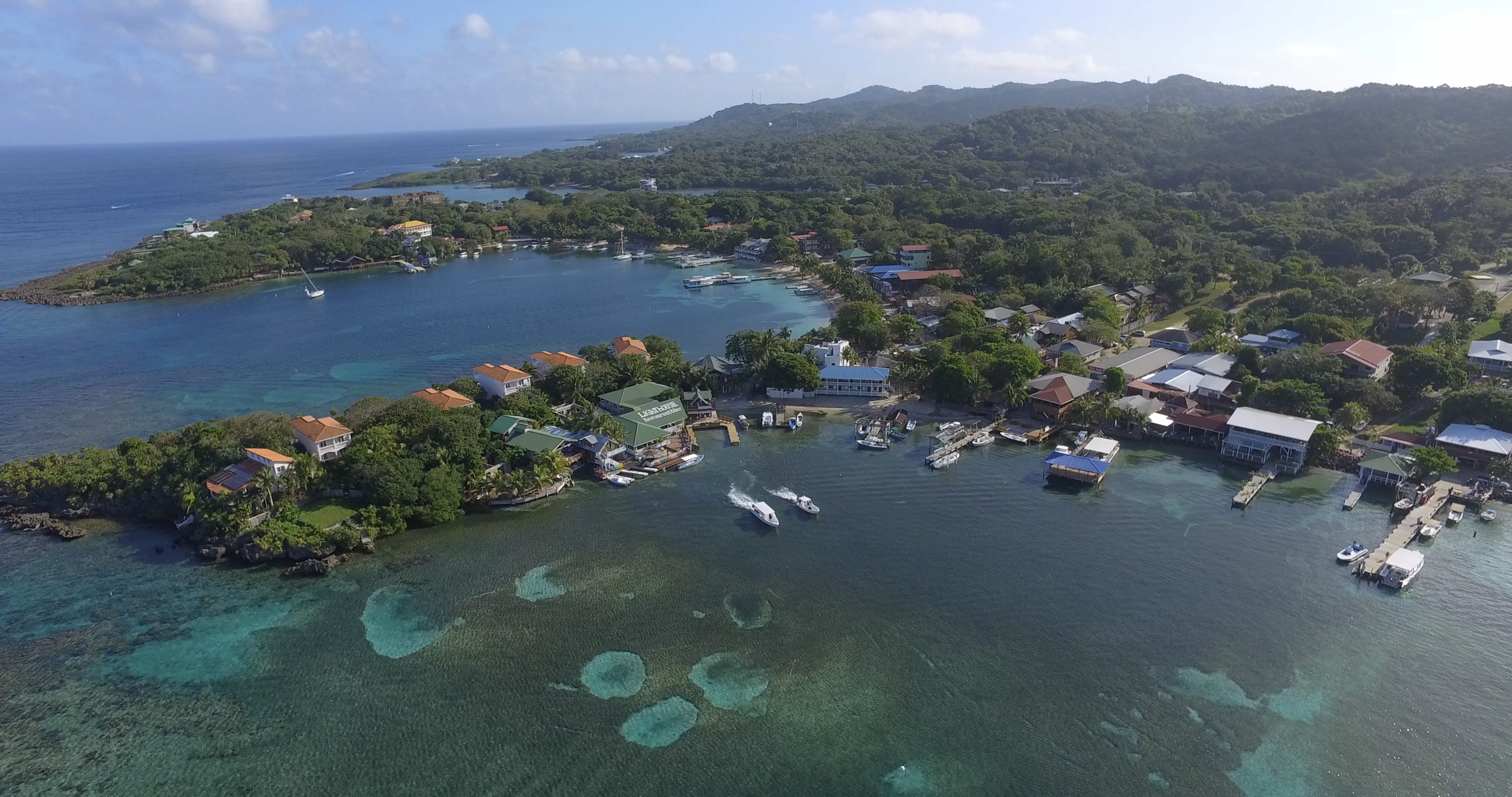
When you think of Roatan as being part of Honduras, many travelers expect things to be super affordable since we're in Central America. The reality is that Roatan is an island, and almost everything consumed here is imported. Our food, products and supplies had to undergo a much longer journey to make it to our happy island, and therefore that drives up the price of just about everything.
Let's do a quick breakdown on the most common travel expenses when visiting West End, Roatan. Keep in mind that when it comes to other islands and what things cost there, Roatan still ranks high in terms of affordability and getting the most bang for your buck.
Food & Drink Costs
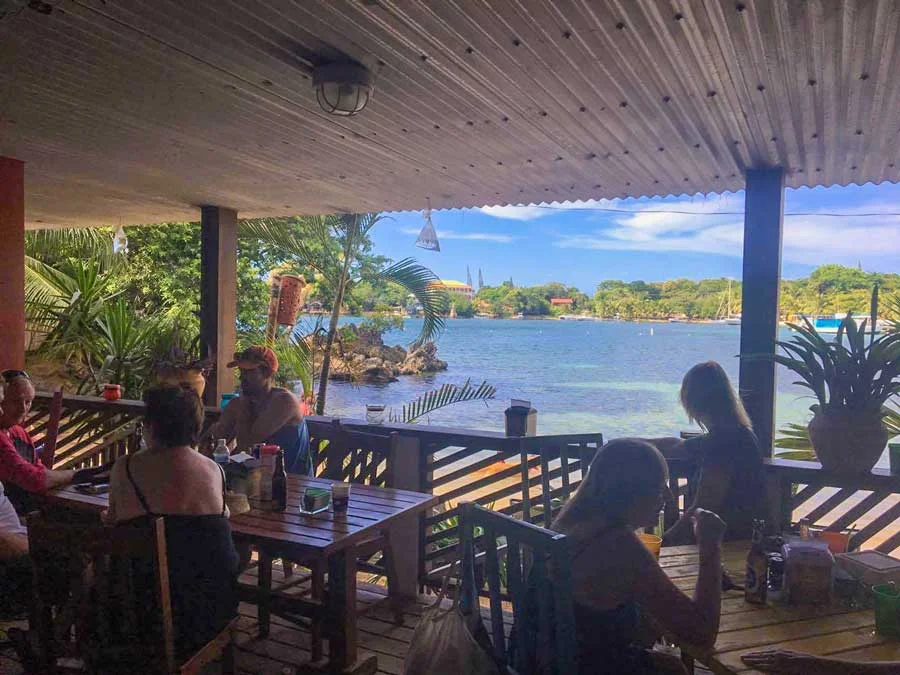
The view from Ginger's Caribbean Grill, across the beach from Roatan Divers
Whether you are eating out at a restaurant or buying groceries, expect the price to be what you would typically pay in the United States. We have big supermarkets in Coxen Hole and French Harbor, which carry many of the common American name brands most tourists recognize. On average, these goods will cost the same, if not more than if you were buying them at your local grocery store.
For eating out at most restaurants in West End, expect to spend around $8-$13 per person (not including tip). Food can run about $15-20 a person at a few of the more upscale establishments. To read more about tipping policies and other FAQ here on the island, go here for a helpful guideline.
And sure, it's possible to find cheaper eats depending on what foods you enjoy (think fried food and lots of carbs)! Here in West End, we do have local street vendors, serving typical Honduran food, like Baleadas and platos tipicos (meat, beans and rice) for around $5.
We know, we know - the biggest question on your mind is how much a beer costs, right? Many of us like to gauge the affordability of a travel destination by their cost of beer. In Roatan, average cost for local beer is about $3, wine & imports (think U.S beers) $5, and cocktails between $5-7.
Lodging
West End sits at just about 1 mile long, and within that area is a range of accommodation options for travelers. Whether you prefer a more established hotel in the heart of West End or a home or condo for rent on the outskirts if you enjoy being off the beaten path a bit, there's always somewhere you can find that will fit your needs.
Hotels
Prices for hotels in West End can range from $35 to $200 a night (not including hostels), so every budget is covered. Important factors to consider when thinking about your hotel options are the time of year (high season prices vs low season prices) and if they include A/C or offer any meal options in their price. Hotels here are generally pretty small in size and they bring much of the charm and small community setting that people love about Roatan.
It's important to note that while West Bay has all-inclusives, hotels in West End do not. Most hotels don't include breakfast, either, so make sure to keep that in mind and read up on the fine print when you're searching for accommodation.
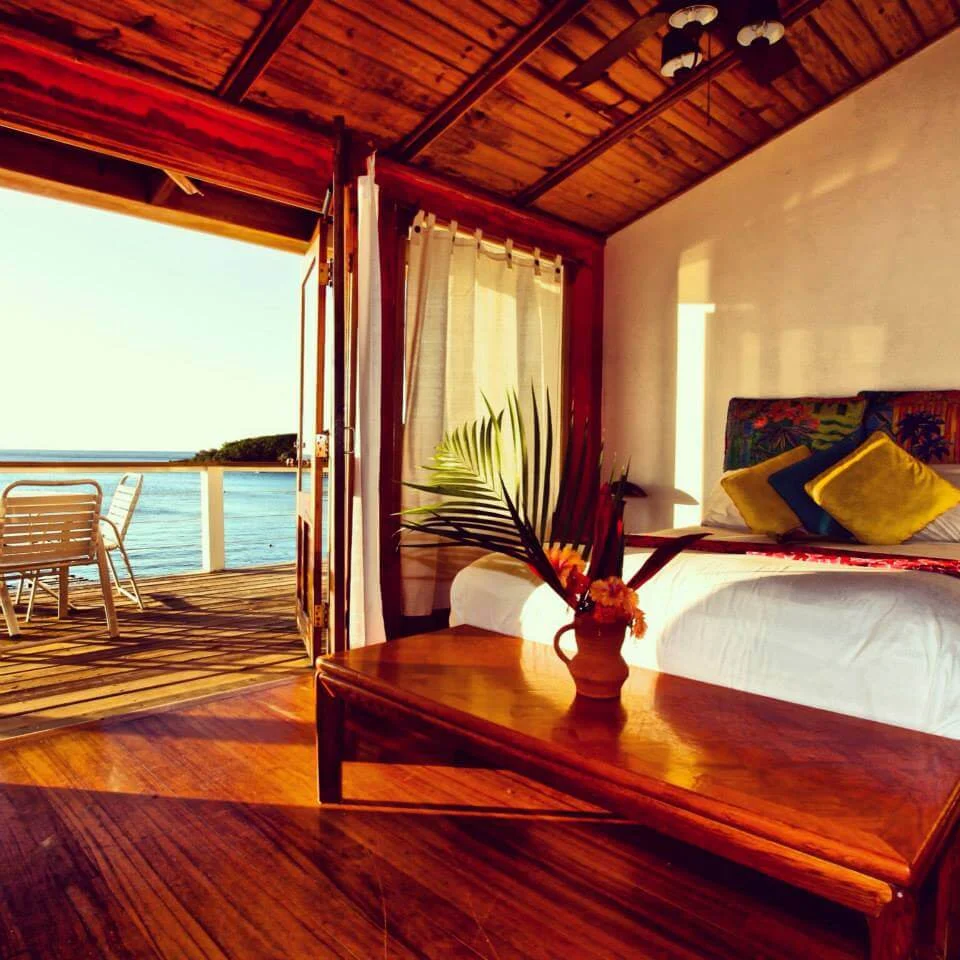
Inside The Beach House Roatan
What are some nice hotel options? The Beach House Roatan is a luxury, boutique hotel located in the center of West End and sits directly on Half Moon Bay. Prices start at $175/night + 19% tax and include breakfast. For travelers wanting a more affordable, basic accommodation, we invite you take a look at Anderson Sunset Villas. They offer studio rooms and two-bedroom apartments between $45-75/night. Contact us for availability.
Vacation Rentals
Depending on the size of your group, a vacation rental condo or a house might be what you're looking for. With prices ranging from $600-1,200/week for 1, 2 or 3 bedroom options, condos can cut down on your accommodation expenses (one 2 bedroom condo can be cheaper than getting 2 hotels rooms) and give you the freedom of cooking your own meals. Caribbean Colors offer a variety of properties in West End and the surrounding areas, and their properties offer modern amenities, great locations and stellar service.
Transportation
If you're staying in the West End area, the great news is that you can walk to practically everything! Lodging, dive centers, restaurants and bars all sit within a small area. However, when it comes to airport transportation, traveling to Coxen Hole or the eastern areas of the island, you will need wheels. Taxis are a great, safe option to consider. They will be more expensive if you want a private taxi, but if you're fine sharing the ride with others, you can request a "collectivo". Taxis here don't have meters, so generally you will agree upon a price before getting in and heading out. The price will fluctuate depending on location and number of people. Remember to bring small bills, since taxies here rarely carry change!
Activities

Check out some fun island activities at Go Blue Bay Islands
Roatan offers a range of activities, but of course we are most famous for our diving! The costs for diving on Roatan is some of the most affordable in the world, especially when you consider how healthy and vibrant our reef is and how many dive sites we have to offer.
Other activities like ziplining, snorkeling, spas, fishing, golf, or boat excursions are available as well. The cost varies per operator, but we encourage people to consider responsible eco-tourism. For more information about supporting eco-conscious businesses, visit Go Blue Bay Islands, who together with National Geographic can guide you to vendors and operators who demonstrate their commitment to the environment. They rock!
Hopefully we've managed to give you a nice overview of what things cost here in West End and piqued your interest about staying on our beautiful island! For more information about currency on Roatan, check out our other post, 5 Things to Know About Currency on Roatan. As we mentioned, while Roatan may not be be the cheapest destination available, it's still a great value when you take into account the total cost of a trip here, combined with the amazing value of being a part of a small island community with a nice blend of modern and rustic vibes.
Want to know more? We're happy to help guide you through planning your next holiday to Roatan so please send us a note. We can't wait to hear from you!

5 gute Gründe, auf Roatán tauchen zu gehen
Roatan wird wegen seiner vielen beeindruckenden Vorzüge – der üppigen, hügeligen Landschaft, dem azurblauen Wasser, den freundlichen Menschen und der vielfältigen und reichen Kultur – oft als das Juwel der Karibik bezeichnet. Dank direkter internationaler Flüge von Houston, Miami, Atlanta, den Kaimaninseln und San Salvador war es noch nie so einfach, dieses Paradies zu erreichen. Hier sind 5 gute Gründe, warum Sie unserer Meinung nach auf Roatan tauchen sollten!
Roatan wird aufgrund seiner vielen beeindruckenden Vorzüge – der üppigen, hügeligen Landschaft, des azurblauen Wassers, der freundlichen Menschen und der vielfältigen und reichen Kultur – oft als das Juwel der Karibik bezeichnet. Dank direkter internationaler Flüge aus Houston, Miami, Atlanta, von den Kaimaninseln und aus San Salvador war es noch nie so einfach, ins Paradies zu gelangen! Roatan ist natürlich vor allem für seine atemberaubenden Riffe und seine Unterwasserwelt bekannt. Daher sollte Tauchen ganz oben auf Ihrer „To-do“-Liste stehen, wenn Sie die Insel besuchen. Selbst wenn Sie schon andere beliebte Tauchziele bereist haben, ohne dort zu tauchen, finden Sie hier 5 gute Gründe, warum Sie unserer Meinung nach auf Roatan tauchen sollten!
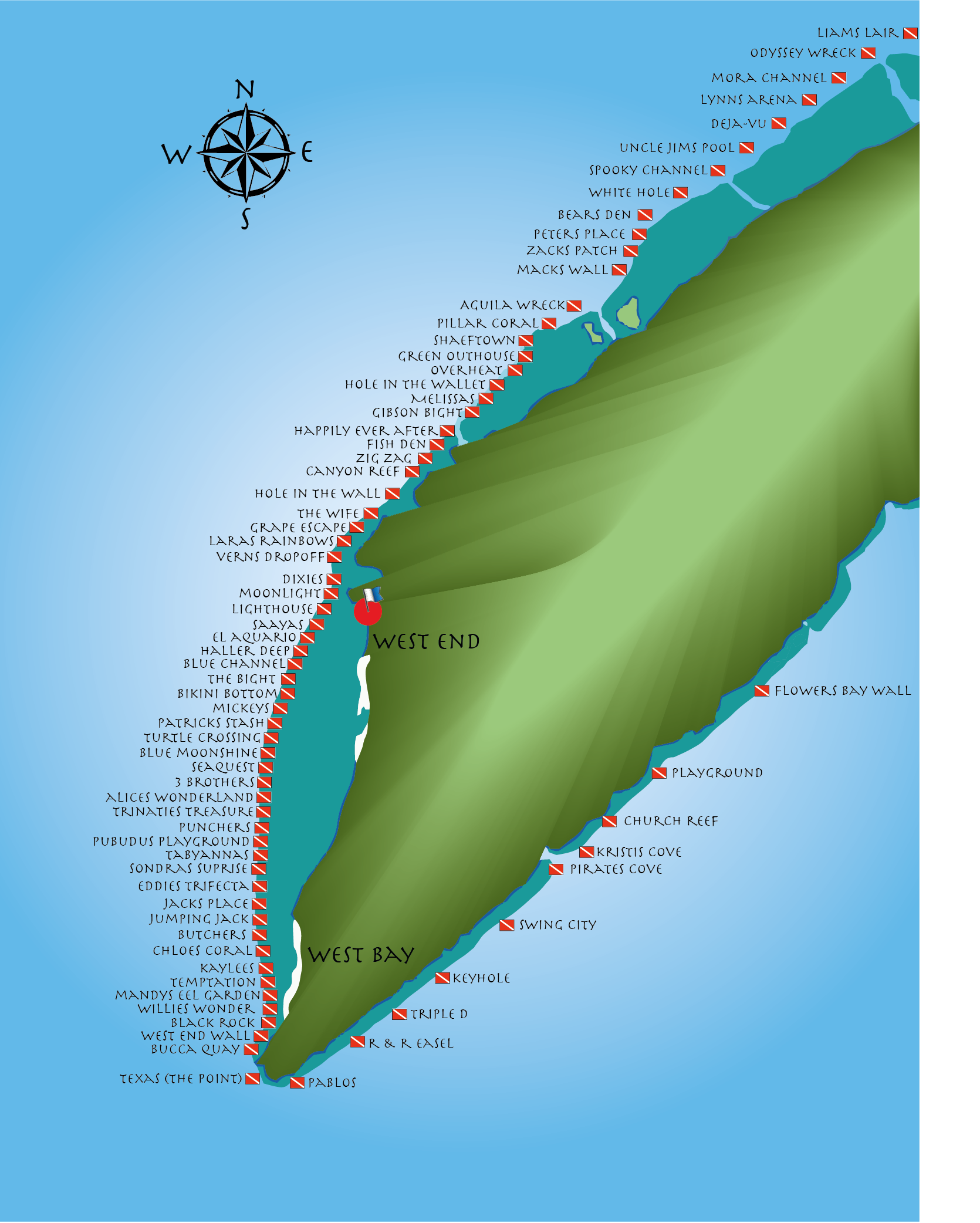
Das sind nur einige der Tauchplätze im West End von Roatán – wenn wir versuchen würden, sie alle aufzunehmen, bräuchten wir eine viel größere Karte!
Grund 1: Die Tauchplätze liegen ganz in der Nähe
Da das Riff bereits wenige hundert Fuß vom Land entfernt beginnt, ist die gesamte Insel im Grunde ein einziger riesiger Tauchplatz. Allein vom West End aus erreichen wir über 30 Tauchplätze innerhalb einer 10-minütigen Bootsfahrt – das bedeutet weniger Zeit auf dem Boot und mehr Zeit im Wasser! Da die Tauchplätze so nah an den Tauchzentren liegen, bieten die meisten Tauchzentren Touren mit nur einer Flasche an. So hast du die Wahl zwischen einem, zwei oder drei Tauchgängen pro Tag und kannst deine Oberflächenpausen gemütlich am Strand verbringen – mit einer kalten Limonade (oder einem Bier, aber erst nach dem Tauchen!) in der Hand.
Grund 2. Das ist zwar schön, aber man muss sie nicht zweimal machen
Der Vorteil, so viele Tauchplätze in unmittelbarer Nähe zu haben, besteht darin, dass man einen Tauchplatz nicht wiederholen muss, es sei denn, man wünscht es ausdrücklich. Wenn man 50 Tauchgänge vom West End aus unternimmt, wird man natürlich einige Tauchplätze wiederholen, aber es ist sehr einfach, Abwechslung in das Taucherlebnis zu bringen. Die Gegend um West Bay ist voller Sandrinnen, Korallenplateaus und kleiner Steilwände, während man in Richtung Sandy Bay coole Schluchten und tiefe Steilwände vorfindet – es gibt also jede Menge coole Landschaften und Sehenswürdigkeiten zu entdecken.
Grund 3: Tauchen an einem intakten Riff in einem geschützten Meerespark
Der Roatan-Meerespark entstand vor zehn Jahren als Bürgerinitiative, um das bereits von der honduranischen Regierung eingerichtete Meeresschutzgebiet zusätzlich zu schützen. Die letzten zehn Jahre waren ein langer Kampf für den Roatan-Meerespark, doch die Früchte dieser Arbeit zeigen sich nun deutlich. Im „Healthy Reefs 2015 Report Card“-Bericht zum Mesoamerikanischen Riff belegte Roatan den ersten Platz in den Kategorien Korallengesundheit und Fischbestände. Viele andere berühmte Tauchziele, wie das Great Barrier Reef, hatten nicht so viel Glück.
Die kontinuierliche Arbeit des Roatan Marine Park im Bereich des Naturschutzes trägt dazu bei, unser wunderschönes Riff noch viele Jahre lang zu erhalten. Unterstützen Sie den Park daher unbedingt, indem Sie eine Tageskarte für 3 Dollar oder ein Jahresarmband für 10 Dollar erwerben.
Grund 4. Ruhige, klare Bedingungen mit schwachen Strömungen

Ein trächtiger Zackenbarsch
Fast das ganze Jahr über genießen wir relativ ruhiges, glattes Wasser an der Oberfläche, wobei die Sicht unter Wasser im Durchschnitt bei etwa 100 Fuß/30 Metern liegt. Auch wenn die Strömungen von Tag zu Tag variieren können, herrschen in der Regel nur leichte Strömungen, die das Tauchen zu einem viel entspannteren und angenehmeren Erlebnis machen.
Wenn das Wetter auf der Nordseite der Insel einmal unruhig wird, haben viele Tauchschulen in Roatán die Möglichkeit, auf der Südseite der Insel zu tauchen, wo wieder ruhige, flache Bedingungen zum Tauchen herrschen. Diese Art von Flexibilität ist in den meisten beliebten Tauchdestinationen so gut wie unbekannt. Wir arbeiten mit einem Partner-Tauchzentrum zusammen, sodass wir unseren Gästen auf beiden Seiten der Insel das gleiche hochwertige Taucherlebnis bieten können.
Grund 5. Vielfältige Meeresfauna
Auch wenn unsere farbenprächtige Unterwasserwelt eng mit Grund Nr. 3 zusammenhängt, konnten wir nicht umhin, die Unterwasserbewohner von Roatán besonders hervorzuheben. Ganz gleich, ob Sie sich für die größeren Lebewesen begeistern oder lieber die kleineren, versteckteren Wirbellosen entdecken möchten – bei uns finden Sie alles! Ein gesundes Riff zieht seinerseits eine Vielzahl von Fischen, Krebstieren, Bodenbewohnern, Garnelen und pelagischen Fischen in diese warmen karibischen Gewässer an.
Das sind sie also, die 5 tollen Gründe, auf Roatán tauchen zu gehen! Auch wenn Sie noch kein zertifizierter Taucher sind, gibt es zahlreiche Möglichkeiten, die Unterwasserwelt zu erkunden – sei es beim Schnorcheln oder mit dem PADI „Discover Scuba Diving“-Programm. Auch unser Leben an Land hat einiges zu bieten. Planen Sie also noch heute Ihre Reise nach Roatán und erleben Sie den Urlaub Ihres Lebens!

Fliegen vor und nach dem Tauchen
An important thing to take into account when you're planning your dive holiday is your flight dates and times, which will determine your diving schedule.
Unless you're super lucky (like we are), you have to travel by air to go scuba diving. An important thing to take into account when you're planning your dive holiday is your flight dates and times, which will determine your diving schedule. When you scuba dive, you get nitrogen build-up in your body, and you need to make sure you expel it to a healthy amount before going up to altitude. We get a lot of e-mails about this and there is often confusion about the rules, so we're going to break it down really simply to make your holiday scheduling even easier (hint on the guidelines: they're more relaxed than you think they are)!


Rule #1: You need 18 hours before you go to altitude
Different organizations will say different things when it comes to the hours required on land before going to altitude, but PADI currently states that you need 12 hours before you fly if you do one dive and 18 hours if you're doing multiple dives over multiple days. This means that if you've been diving for a week and you're flying out at 1PM, you can dive up to 7PM the day before safely.
A lot of people like giving themselves 24 hours to be on cautious side, and because they'd like to just spend some time relaxing on the beach on their last day of holiday, and you are of course welcome to give yourself as many hours as you want. But if you're a dive freak, 18 hours is what you need, even if you're diving a lot from a liveaboard. As always, though, make sure to practice conservative dive practices and avoid pushing your no-decompression limits when you dive.
Rule #2: Altitude doesn't just mean flying
If you dive, and then are planning on driving up the mountains to get to your next destination, this still counts as altitude. Anything above 300 meters/1000 feet counts as altitude because the atmospheric pressure drops, so keep this in mind when you're planning your post-diving travels. If you need to drive over the Colorado Rockies to get home, give yourself the appropriate time before making the trip to make sure you're safe.
Rule #3: You can dive right after flying
There is a common misconception that, similar to needing time before you fly, you also need to wait after flying as well. The reason you shouldn't fly right after diving is because of the nitrogen build-up in your body, but you won't have that if you just got off a plane. You can literally jump from the plane into the water directly if you want to, although we wouldn't recommend doing that unless you're a professional stunt person.
So that's it, the 3 super simple rules to follow when it comes to flying and diving. Easy, right? Have a great dive holiday, and we hope we can dive with you all some day.
Happy diving!
Come to dive with Roatan Divers!

Fun Dive
Are you a certified diver? Come to dive with us. As a boutique dive center, we cater to small groups and focus on personal attention.

Open Water Course
Do you want to learn how to dive? In only 3 days you can complete your PADI Open Water Course and become a certified diver.

Specialties Courses
Do you want to be a better diver? Add a Specialty Course in your vacation and increase your knowledge and learn new skills
3 Cool Facts about the History of Roatan
Roatan is a cool island, there's no denying it. We have an amazing, well-protected reef, an interesting collection of cultures and a lush, hilly landscape that's unusual for the Caribbean. What else makes Roatan unique? Here are 3 cool historical facts that you may not have known about Roatan!
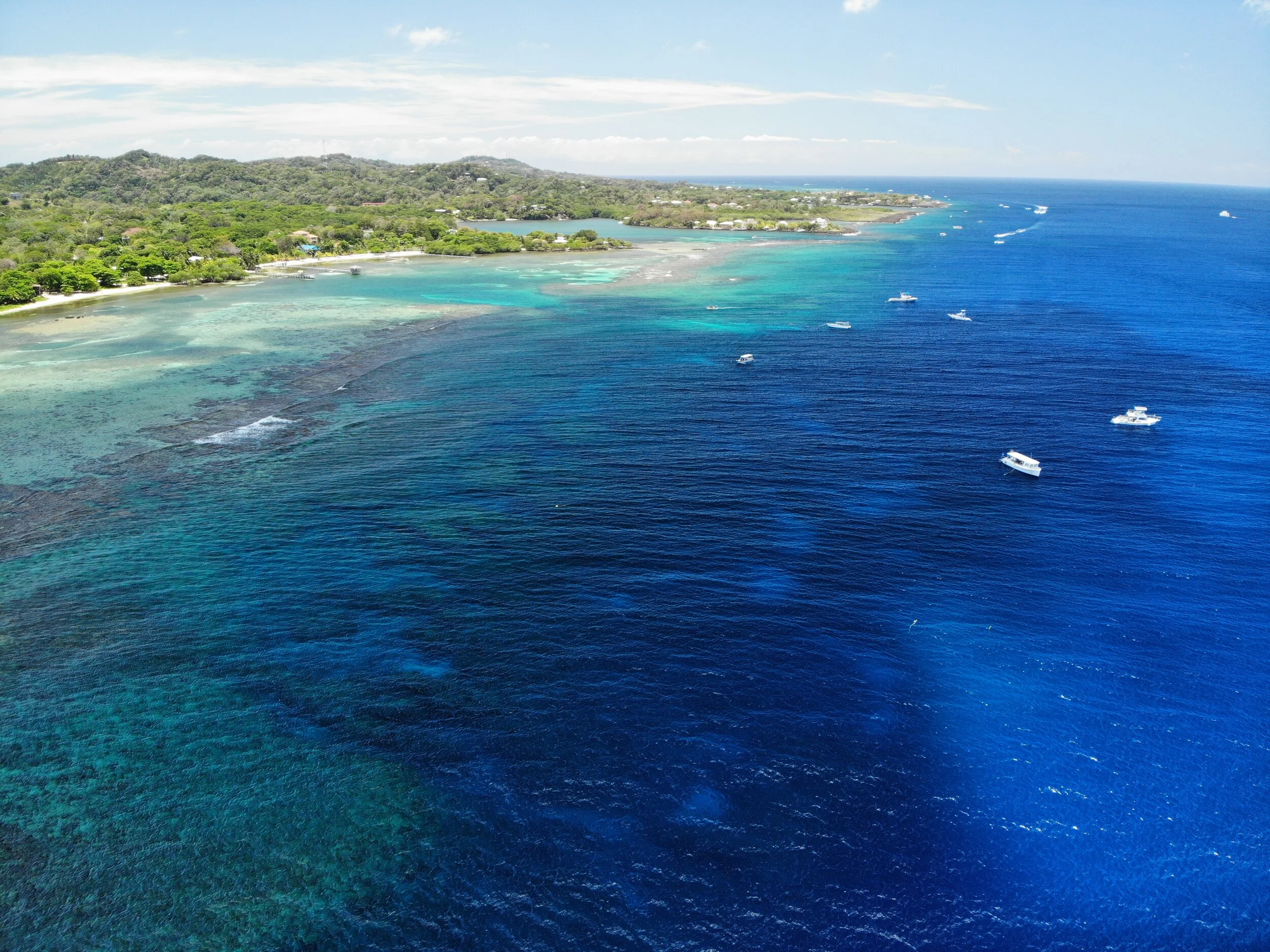
Fact 1. Columbus "discovered" the Bay Islands
Roatan, Utila and Guanaja were well-populated by the time Columbus came across them in 1502, but it was his "discovery" that first brought in Western influences to the islands. The Spanish and British started mining for silver and gold on the mainland, so the Bay Islands were raided for slaves to work the mines. The original inhabitants of the Bay Islands were probably the Paya people, and those that weren't taken as slaves succumbed to diseases born by the Spanish, like measles and smallpox.
Honduras itself means "depths", from the deep waters that plunge off its coasts. Christopher Columbus is said to have exclaimed, "Gracias a Dios que hemos salido de esas Honduras! (Thanks God we have departed these depths!)," when he entered the to-be-named Cabo Gracias a Dios in Trujillo, which provided calm shelter in the midst of a storm.
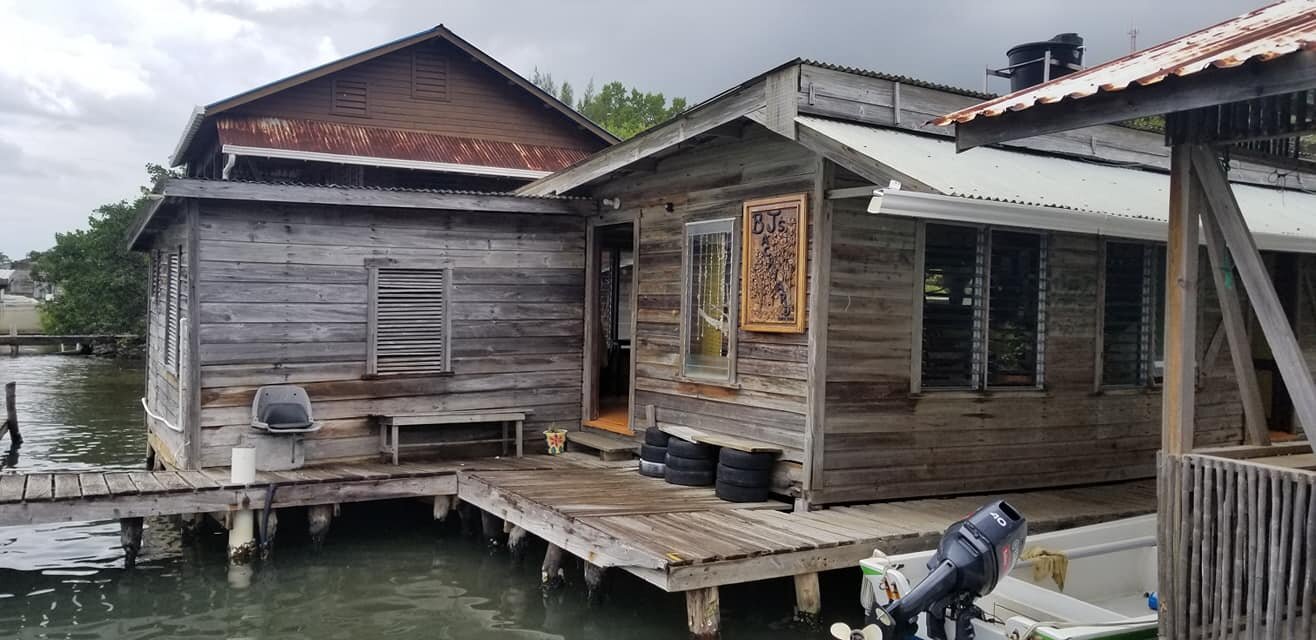
Fact 2. Roatan was a pirate hangout
Pirates were certainly not the first Western inhabitants of Roatan, but they were probably the most interesting. French and Dutch pirates used to lie in wait on the Bay Islands for passing Spanish galleon ships so they could take their treasure. Henry Morgan and Blackbeard were among the 5,000 pirates that called the Bay Islands home in the 17th century. Coxen Hole? Named after another famous pirate, John Coxen.
Fact 3. The Garifuna were "deported" to Roatan
The Garifuna are mixed descendants of Arawakan Indians, Island Carib and African people. The British colonialists also referred to them as "Black Caribs".
The Garifuna first started in the late 1700's, when about 2500 slaves were left on the island by the British (the journey started with 5000 people, but half of them didn't survive the journey). Those that didn't move to the mainland started a settlement called Punta Gorda, which is now the Garifuna cultural center of Roatan. As cultures go, they're relatively new, only going back around 200 years on this island, but their mix of British, Spanish and Black Carib culture makes them an interesting and integral part of Roatan and Central American history.
Did you already know these cool facts about Roatan, or did they surprise you? Let us know what other “3 Cool Facts” you’d be interested in learning, whether it be about scuba diving or Honduras, and let’s get our learning on!
5 wichtige Tipps zum Packen für Roatan
Sind Sie schon einmal von einer Reise zurückgekommen und hatten das Gefühl, nur 10 % dessen genutzt zu haben, was Sie mitgenommen haben? Man packt leicht zu viel ein, besonders wenn man in heiße, tropische Gegenden reist. Auf Roatan herrscht eine sehr entspannte Atmosphäre und die Kleiderordnung ist leger. Um dir vor deiner Reise zu helfen, haben wir unsere 5 wichtigsten Packtipps für Roatan zusammengestellt. Einige dieser Tipps gelten allgemein für das Packen, andere speziell für Roatan. Schau dir also unsere fünf besten Tipps an und fang an zu packen!
Tipp 1: Legen Sie alles bereit
Bevor du anfängst, wahllos Dinge in deine Tasche zu stopfen, lege alles aus, damit du genau sehen kannst, was du mitnimmst. Erstelle eine Checkliste, am besten schriftlich, damit du genau notieren kannst, was du für deine Reise benötigst. 20 Hemden, ein Paar Pumps und nur eine kurze Hose einzupacken, ist für einen siebentägigen Urlaub auf einer Strandinsel vielleicht nicht ideal, aber wenn du nicht den Überblick behältst, merkst du vielleicht gar nicht, dass du all das eingepackt hast.
Sobald du alles ausgebreitet und einen Plan erstellt hast, rolle alles zusammen und packe es in deine Tasche. Hast du wenig Platz? Dann schau dir Tipp 2 an, um zu erfahren, wie es weitergeht!
Tipp 2: Bedürfnis vs. Wunsch
Es gibt eine Menge Sachen, die wir gerne mit in den Urlaub nehmen würden, aber wie viel davon brauchen wir wirklich? Wenn du nach Roatán reist, brauchst du eigentlich weder High Heels noch Wanderschuhe – ein Paar Flip-Flops und vielleicht Turnschuhe, falls du gerne Sport treibst, reichen völlig aus. Brauchst du wirklich ein schickes Kleid, wenn du in einem Hostel übernachtest, oder vier lange Hosen bei einer Luftfeuchtigkeit von 90 %? Wenn du diese Pumps oder diese schicken Kleider wirklich mitnehmen möchtest, nur zu – aber stelle sicher, dass du alle notwendigen Dinge bedeckt hast und genügend Platz hast, bevor du anfängst, deine Wunschsachen einzupacken.
Tipp 3: Auch ohne Schuhe wird der Service nicht beeinträchtigt!
Auf Roatán sind Schuhe eher eine Empfehlung als eine Vorschrift. Selbst in den gehobeneren Restaurants wie dem „Roatán Oasis“ oder dem „Ibagari“ sieht man mindestens einen Einheimischen, der barfuß dort sitzt. Nun sind Ihre Füße als Stadtmensch wahrscheinlich nicht robust genug, um hier ständig barfuß herumzulaufen, aber Sie müssen sich hier auch nicht an strenge Kleiderordnungen halten.
Dieser Tipp gilt zwar für alle, die sich für einen längeren Zeitraum auf Roatán aufhalten, jedoch nicht für Reisende auf Kreuzfahrtschiffen. Auf den meisten Kreuzfahrtschiffen findet ein Kostümabend statt, und wir sind uns ziemlich sicher, dass man die Restaurants auf dem Schiff nicht betreten darf, ohne zumindest ein Paar Flip-Flops zu tragen. Packen Sie also unbedingt mindestens ein Paar schicke Schuhe ein, wenn Sie eine Kreuzfahrt unternehmen.
Tipp 4: Wäsche waschen ist auf Roatán günstig
Wenn Sie für zwei Wochen nach Roatán kommen, müssen Sie nicht Kleidung für zwei Wochen einpacken. Überall auf der Insel gibt es Wäschereien, in denen Sie Ihre Kleidung abgeben können und die sie bis zum nächsten Tag gewaschen, getrocknet und gefaltet zurückbekommen. Und wir versprechen Ihnen: Niemand hier wird bemerken, dass Sie dasselbe Hemd zweimal in *oh Schreck* derselben Woche getragen haben. Sparen Sie sich also das schwere Gepäck und packen Sie leicht.
Nur zur Vorwarnung: Die Wäsche wird pro Pfund abgerechnet. Normalerweise kostet das etwa 45 Lempiras oder 2,00 bis 2,50 Dollar pro Pfund. Achten Sie also darauf, keine klatschnassen Kleidungsstücke abzugeben, sonst wird die Rechnung deutlich höher ausfallen. Außerdem gibt es hier keine chemische Reinigung, bringen Sie also besser keine edlen Seidenkleider mit. Baumwolle ist der Stoff, aus dem unser Leben gemacht ist.
Tipp 5: Lassen Sie Platz für Souvenirs
Egal, wohin du reist, du wirst bestimmt Souvenirs mit nach Hause nehmen wollen – entweder als Andenken für dich selbst oder als Geschenke für Familie und Freunde.
Wenn Sie nach besonderen, nicht alltäglichen Souvenirs suchen, sollten Sie bei „Rusty Fish“ vorbeischauen. Dort werden Einheimische darin geschult, Materialien aus der Müllhalde – wie beispielsweise Texaco-Ölfässer – zu coolen Wanddekorationen und Magneten zu verarbeiten. In den Geschäften des Roatan Marine Park werden T-Shirts und Sweatshirts mit dem Logo des Roatan Marine Park sowie lokal hergestellter Honig, Schmuck, Essig und Marmeladen verkauft, wobei der Erlös dem Meerespark und den lokalen Gemeinden zugutekommt. „Rusty Fish“ und der Roatan Marine Park haben Geschäfte im West End sowie an beiden Kreuzfahrthäfen. Egal, ob Sie nur einen Tag oder eine Woche bleiben – hier finden Sie ein tolles Andenken an Roatan, das keineswegs kitschig ist.
Und wenn du willst, dass deine Freunde dich wirklich lieben, besorg dir doch mal einen guten alten karibischen Rum!
Das waren sie also, unsere fünf besten Tipps zum Packen für Roatan! Viel Spaß beim Packen und bis bald!
5 Überlebenstipps für Zwischenstopps
Layovers suck. Short or long, it doesn't matter, layovers are not fun. And even if you think that a layover will be short, there's a good chance that your transport will be delayed or cancelled, so it's important to be prepared for any transportation crisis.
With the advancement of technology, the world has gotten smaller. You can connect with people of different cultures and languages all over the world, the smart phone has taken the place of books and pay phones, and you can travel to places you can't even pronounce!
And since we're on the subject of travel...layovers suck. Short or long, it doesn't matter, layovers are not fun. And even if you think that a layover will be short, there's a good chance that your transport will be delayed or cancelled, so it's important to be prepared for any transportation crisis.
Some context: I was catching a flight from Los Angeles down to Roatan, with an intended 90 minute layover in San Salvador. I've been on trips where the layovers have been really long before, and I've been prepared for them, but this was the first time that my layover was delayed to pretty cataclysmic proportions (cataclysmic, I tell you!). We spent about ten hours each day for two days at the airport (7AM to 5PM the first day, 6AM to 3:30PM the second) with a night in an airport hotel in between. There was a lot of going back and forth with the airline staff, a re-routed flight, and a lot of people panicking (justifiably) and getting quite angry before we could find a resolution. It was kind of a mess, and exhausting. I think I fared better because I was going home, not going on a precious one week holiday that was just slashed by a few days. I wasn't panicking, but I certainly wasn't happy with being stuck at the airport, away from my husband and work, without any substantial updates or information.
So whether you're taking plane, bus or boat, layovers are something you are going to suffer many times in your life if you want to travel and see the world. So let's discuss our Top Five Tips for surviving layovers!
Tip 1. Keep an extra set of clothes in your carry-on
If you're not planning on checking any bags in, you're good to go. Next!
If you are checking a bag in, make sure to keep an extra change of clothing in your carry-on, just in case you're stuck at the airport or need to be transported to a hotel without getting access to your check-in luggage. To keep your carry-on light and your packing efficient, just focus on clean underwear and a shirt made of light, thin material, that can be easily rolled up and stuffed away somewhere. Delays are more mentally tiring than physically tiring, and having a fresh set of clothing to change into can give you a bit of a boost, even if only for a second.
Tip 2. Layer, layer, layer
Airports, buses and airplanes are horrifically cold. I die every.single.time. I've learned over the years that instead of carrying a thick sweatshirt or hoodie, I should focus on thinner layers so that it takes up less room in my bag and I can adjust my layering as the temperature changes. It's not abnormal for the temperature to rise and fall in increments, and you don't want to have your only two options to be hotter than Hades or Arctic freeze. I always keep a thin cardigan and a scarf on me at all times, as well as a pair of socks. I have a gorgeous scarf that my friend got me in Saudi Arabia 10 years ago, and it's big enough to double as a pillow or a blanket, and just seems to match with everything I own. That scarf has been all over the world with me, and I will travel with it until the day it disintegrates.
Tip 3. Books are sexy
I didn't bring a book with me for this trip (because "the layover is so short, I won't have time read") and I deeply regretted it. I was smart enough to fully charge my computer and phone before I got on my first flight, but after 10 hours stuck at the airport, I eventually needed to recharge. I ate up my batteries faster than normal because I was contacting home a lot in the chaos and also trying to get some work done since I was stuck anyways, and while I was fortunate to be able to find an outlet nearby, when a flight's delayed and there's 100 passengers needing juice and only two outlets, blood will be spilled. Having a book would have helped pass the time faster and given me something other than work to distract me from the never-ending delays.
If you don't want to haul around a heavy book, a reading tablet, like the Kindle, is a great way to carry multiple books in a slim package. The battery life on those things are normally very good so they'll cover you for a long time, and their screens are designed so your eyes don't get tired! A fellow passenger also very kindly lent me his portable charger when I couldn't find an outlet, and that really helped me out as well. I think for my next trip, I'll invest in a portable charger as well so that I don't start to panic when I see my battery level falling.
Tip 4. Keep a universal adapter on you
And in the spirit of charging things, keep a universal adapter in your carry-on when you travel. You never know what kind of outlets places will have, and you don't want to be low on battery, find an outlet and find out you can't plug into it! Universal adapters are pretty inexpensive, are small, and can save you a little heartache.
Tip 5. Keep a snack on hand
Airports can be super expensive, and sometimes they don't have any food options other than beer, burgers and pretzels. To make sure you don't get so hungry that you buy all of Burger King, keep some portable snacks, like chocolate, trail mix or nuts in your bag. Even sandwiches will do! Just be kind to the people around you and avoid particularly pungent food, like Indian lamb curry. Or deviled eggs. Or garlic toast.
Bonus tip. Be kind
This is one that I had to remind myself of constantly during my two 10-hours days at the airport. It's not the staff's fault that the flight is grounded or delayed. They are in the line of fire and take everyone's anger and blame, but nobody reacts very well to getting yelled at, and taking your frustration out on them will only make them not want to help you.
And don't just be kind to the staff. Be kind to your fellow passengers. Be friendly. If someone needs help, help them. No matter how bad your day is, someone else probably has it much, much worse, and showing even a sliver of kindness may be the only bright spot of that person's day. It doesn't cost you anything to be kind, but it may mean the world to someone else.
Being stuck at the airport doesn't have to be an isolating event, or one that divides people. The people stuck on our flight actually bonded together very well, and though I wish I hadn't been stuck for so long, I am also grateful that I had the opportunity to meet some fantastic people and be in the position, for once, to assist others.
I learned a lot about myself on this very long layover, mostly learning that I'm actually capable of not stressing so much and of seeing the bigger picture, and that if something's outside of my control, then that's just the way it is. I saw people being kind to each other and taking care of each other, and it was a good reminder of humanity's ability to see beyond themselves and focus on others. It was a reminder that I was grateful to have, and I hope I don't forget those lessons learned any time soon.